I find myself 99.9% of my day googling foods that Guinea Pigs can eat. Even when I’m in a supermarket, I would look at something and wonder ‘is that safe for my boys’ so I have done my research and gathered all the information you might need on feeding your pigs!
First of all we will talk about the basic Guinea Pig diet and why it’s important!
The Basics
Hay
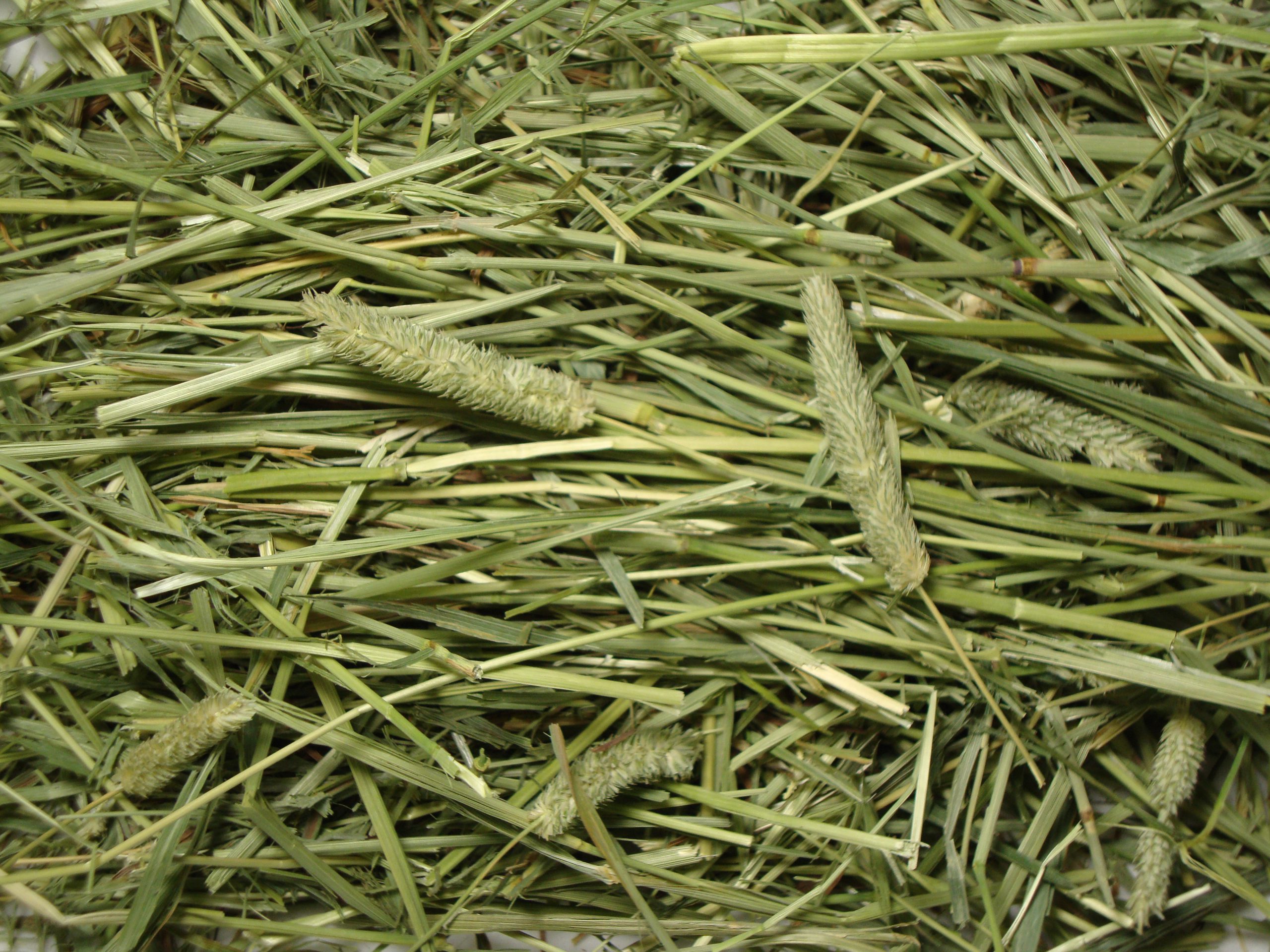
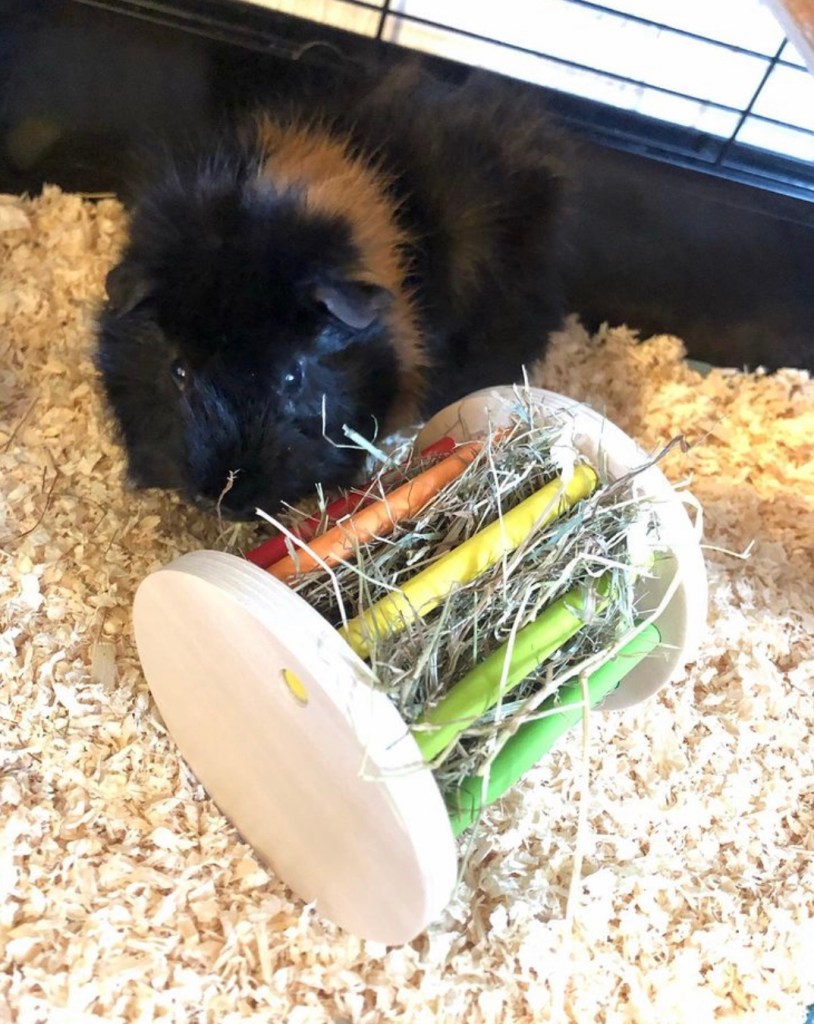
Hay should be avaliable at all times for your Piggies. It is a vital part of their diet as the fibre helps their digestive system and it also helps keep their teeth worn down.
Always choose high quality clean hay, which is dry, sweet smelling, free of mould and if preferred dust free.
You can two types of hay:
Meadow Hay– This is a softer hay, as it’s made up of stemmed pasture grasses. These also contain more leave, so overall the texture is softer, which makes it better for bedding and forage. ,endow hay can also include plants such as: Dandelions and Thistles, which Guinea Pigs love!
Timothy Hay – this is made of Timothy Grass, which is a tall grass that has a ‘cat tail’ with broad leaves. Timothy hay is high in fibre and is great if you’re looking for consistent texture and stalkiness. Timothy hay is the best in regards to keeping an eye on the fibre intake, whereas Meadow Hay, the guinea pig picks the higher in calorie nuts and leaves the fibre.
Both hay provides fibre needed for digestion, as well as keeping their teeth clean and healthy. The colour of hay also depends on what added benefit there us. So the greener it is, the higher in calcium and vitamin C and the more brownish hay is higher in fibre and vitamin D.
Pellets
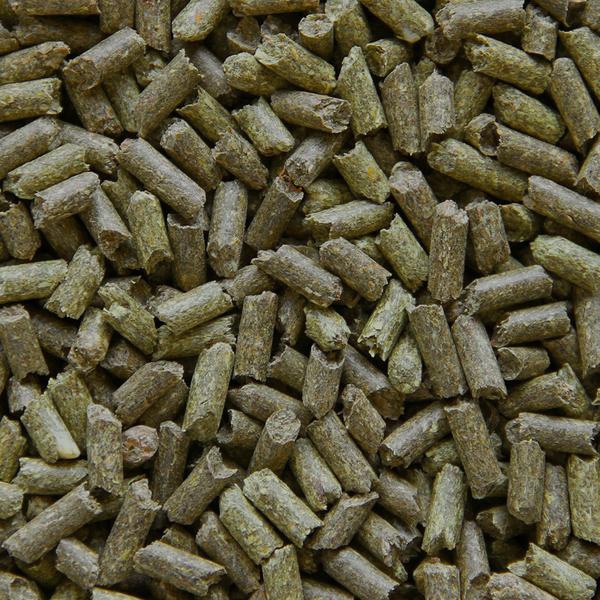
Pellets are the next bulk of your Guinea Pigs diet. They should have 1/8 of a cup of pellets a day. This is specially formulated to provide a balanced nutrition.
Pellets should provide Vitamin C and other essential nutrients.
Always choose pellets that have been veterinarian tested and approved (from a pet shop or online)
Do not feed your Guinea Pigs, Rabbit food. Although it looks the same, Rabbits can produce their own Vitamin C, so their foods are less likely to have any in.
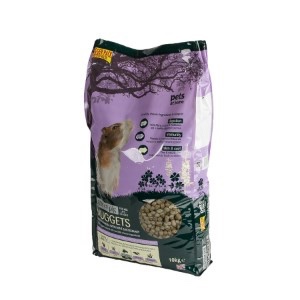
The pellets I use for my boys are Pets At Home’s own kind. You get 10kg for £20 and it lasts me 2 months for my 4 boys, who actually prefer this food out of most of the ones I have tried.
The reason I like this one so much is because they smell lovely and pepperminty. I also find they don’t go stale like other brands do. I keep my nuggets in a sealed container in my cupboard and I find it lovely and fresh every time I fetch some new!

Vegetables
Next we will talk about what Vegetables Guinea Pigs can eat and why.
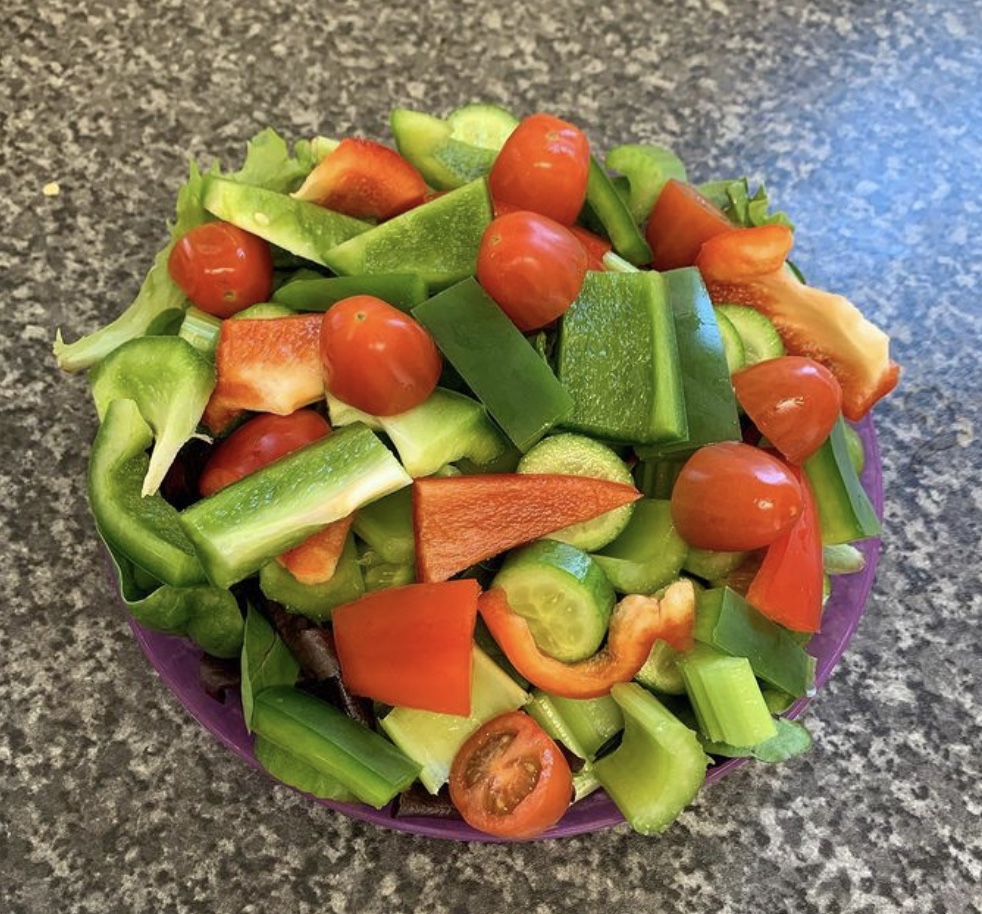
Vegetables
Guinea Pigs should have 1 cup of fresh Vegetables daily.
All new vegetables should be introduced to your furries gradually, this is because it can upset their tummies.
Fresh vegetables are always best, this is because Guinea Pigs can’t digest cooked veg and frozen veg is boiled before it is frozen. If you know for certain that the veg isn’t cooked before freezing, then they can have it. Veg also looses its nutrients once cooked or frozen, so it is always better to give them fresh.
So what types of Vegetables can Guinea Pigs eat?
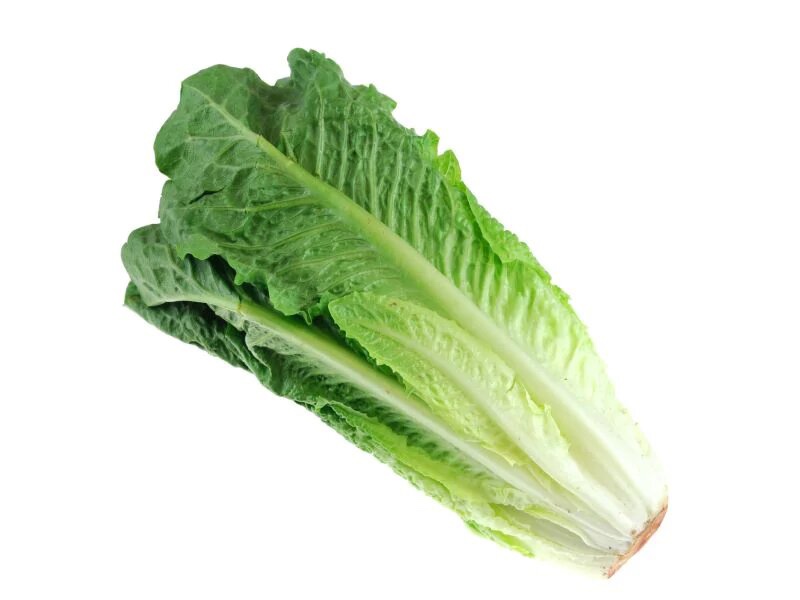
Romaine, Cos and Little Gem Lettuce. Regularity – Few times a week
Romaine, Cos and Little Gem all belong to the same lettuce variety.
They are the most nutritional and contain 6x more Vitamin C than Butterhead Lettuce.
Lettuce is more than likely going to be a favourite of your Guinea pig and they will normally go for this first.
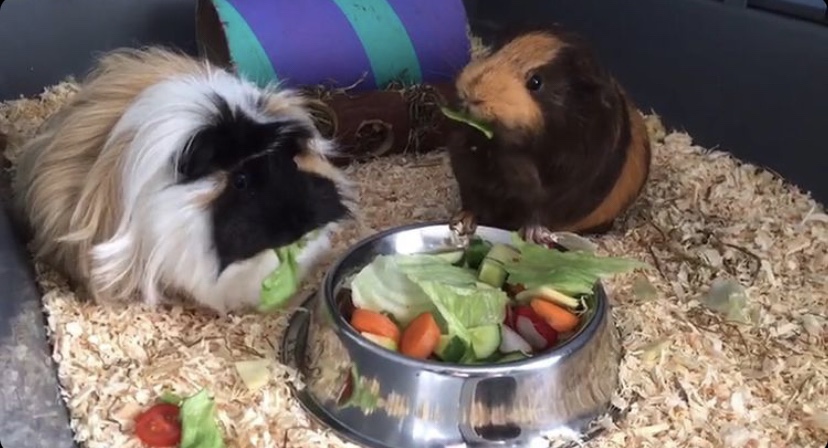
Out of my 4 boys, 3 of them always go for the Lettuce first, but only eat the green, leafy bits.
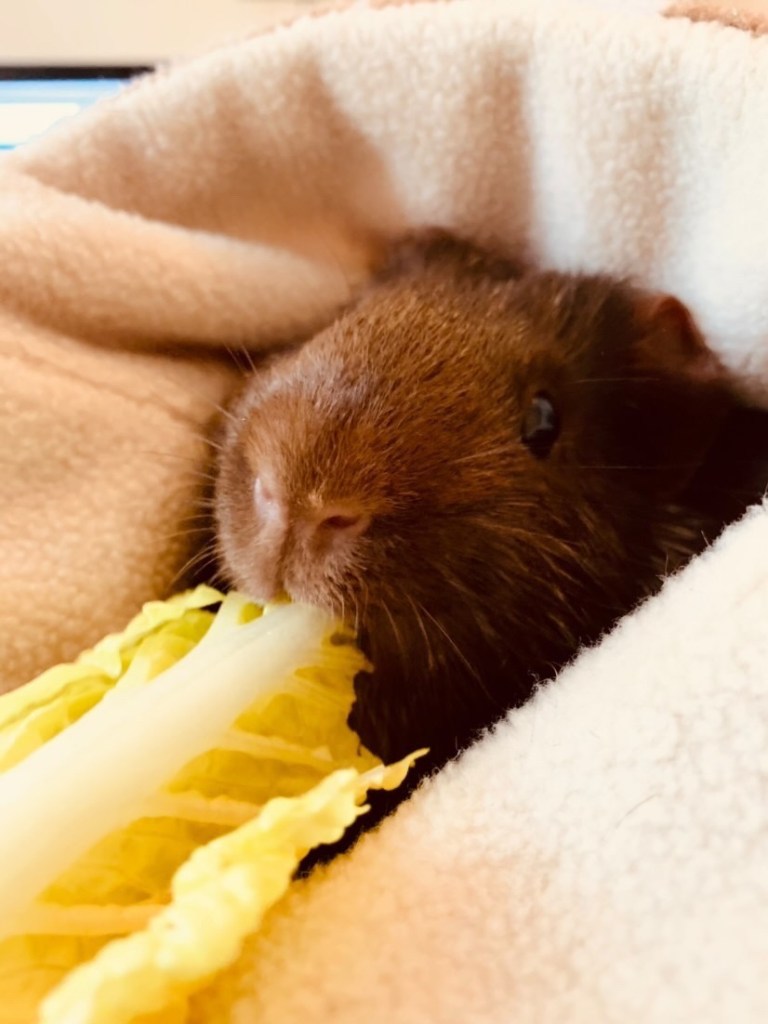
Carrots and Carrot Tops. Regularity – Few times a week.
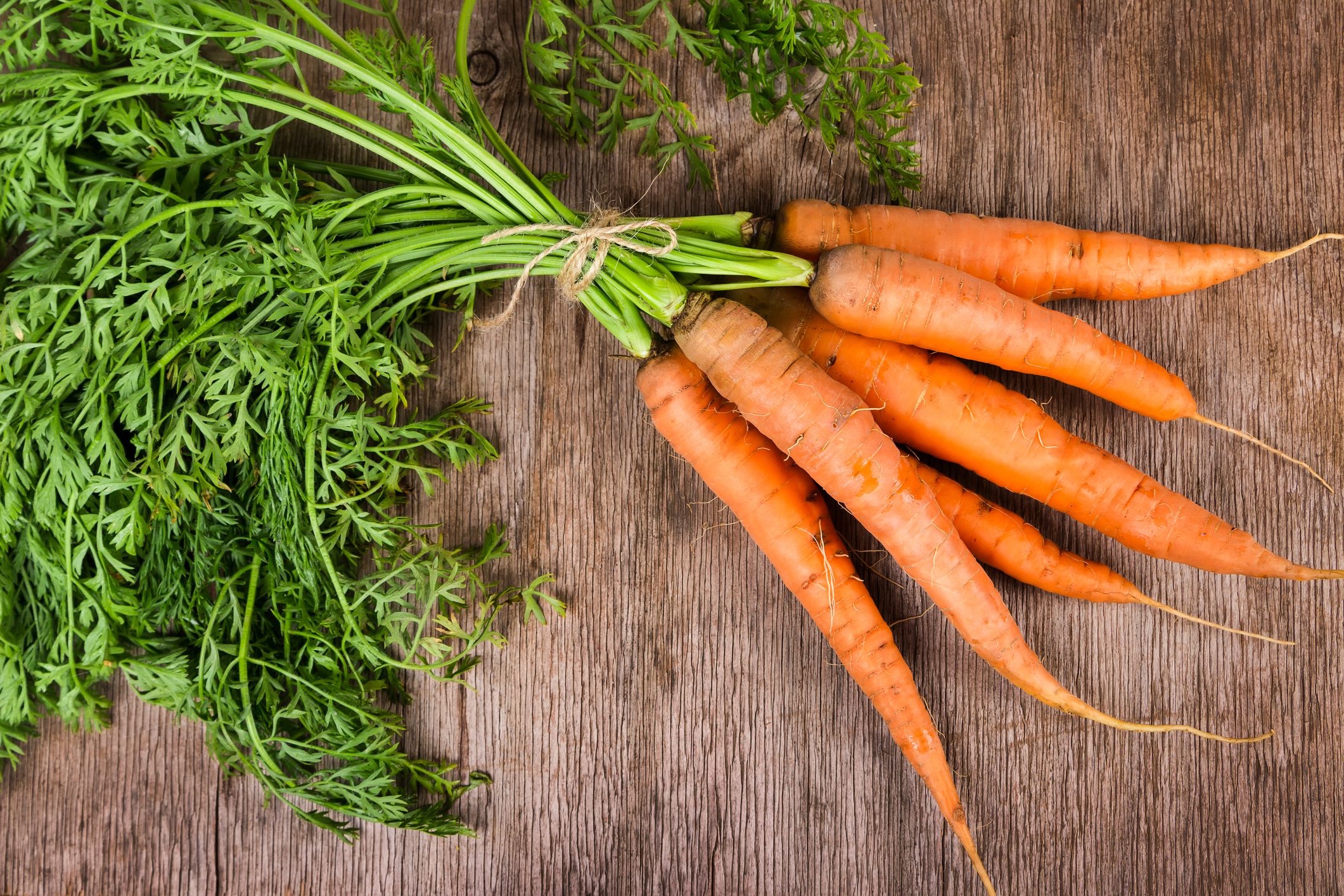
Carrot and Carrot tops are perfectly safe for you’re Guinea Pigs.
For a Vegetable, they are very high in sugar. They have more sugar in them than Raspberries and nearly as much as Strawberries. It’s important that Guinea Pigs don’t consume too much Sugar as this can lead to diarrhoea and other health problems.
Carrots don’t have very high Vitamin C, although they have more than Lettuce, Celery and. Cucumber. Sweet Peppers have 20 times as much of this Vitamin.
Carrots can be given whole, so there is no need to peel! Also don’t waste the peel, when peeling Carrots for us Humans, because the Piggies will devour these.
Guinea Pigs can also eat baby carrots and some do prefer the younger, sweeter tasting foods.
Carrots tops have absolutely no nutritional value and are 100% safe for them.
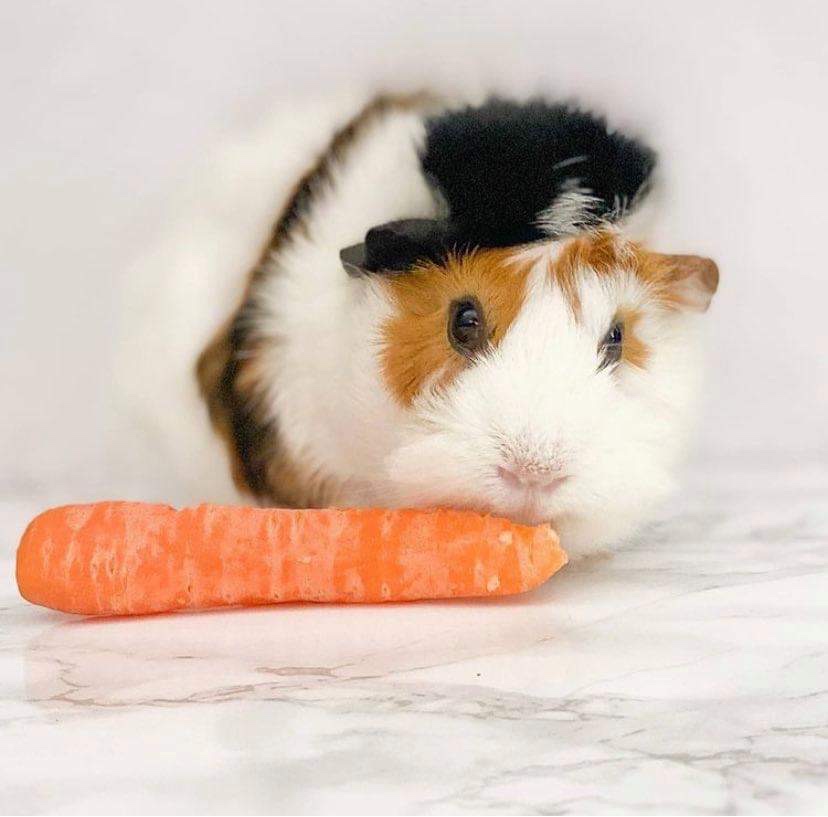
My only Guinea Pig who adores carrots is Thor. He will happily sit in a bowl of carrots all day and enjoy them just as much as he started. The other 3 boys will eat them, but it’s not their preferred veggie.
Peas (Sugarsnap and Mangetout)
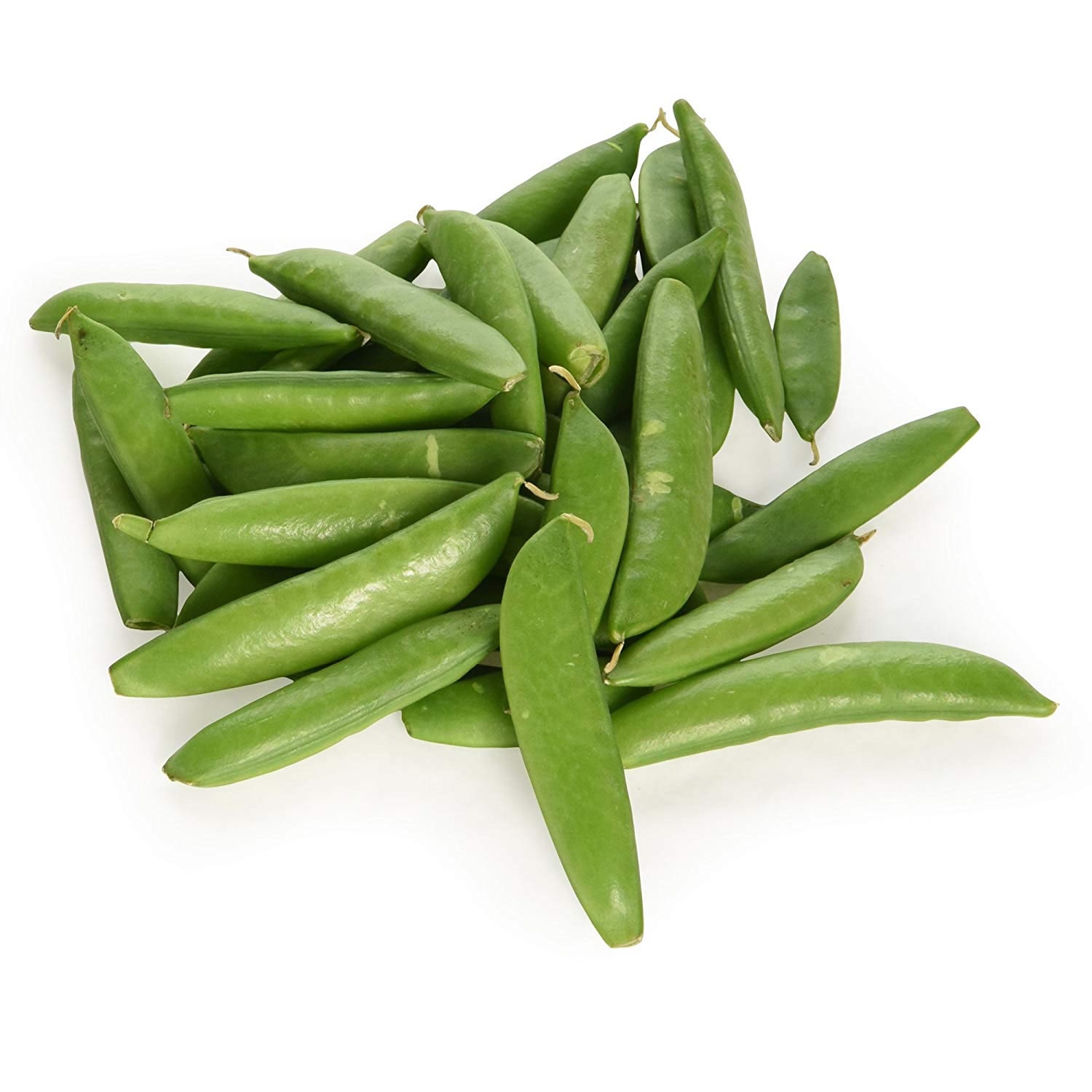
Pea pods are types of peas Guinea Pigs can eat and some really like them. (Mine don’t)
Unfortunately you can give them frozen peas, because as I said before they’re just not good for your Guinea Pig
You can get yourself some treats for Guinea Pigs – Peaflakes. Most Guinea Pigs are obsessed with them, like mine.
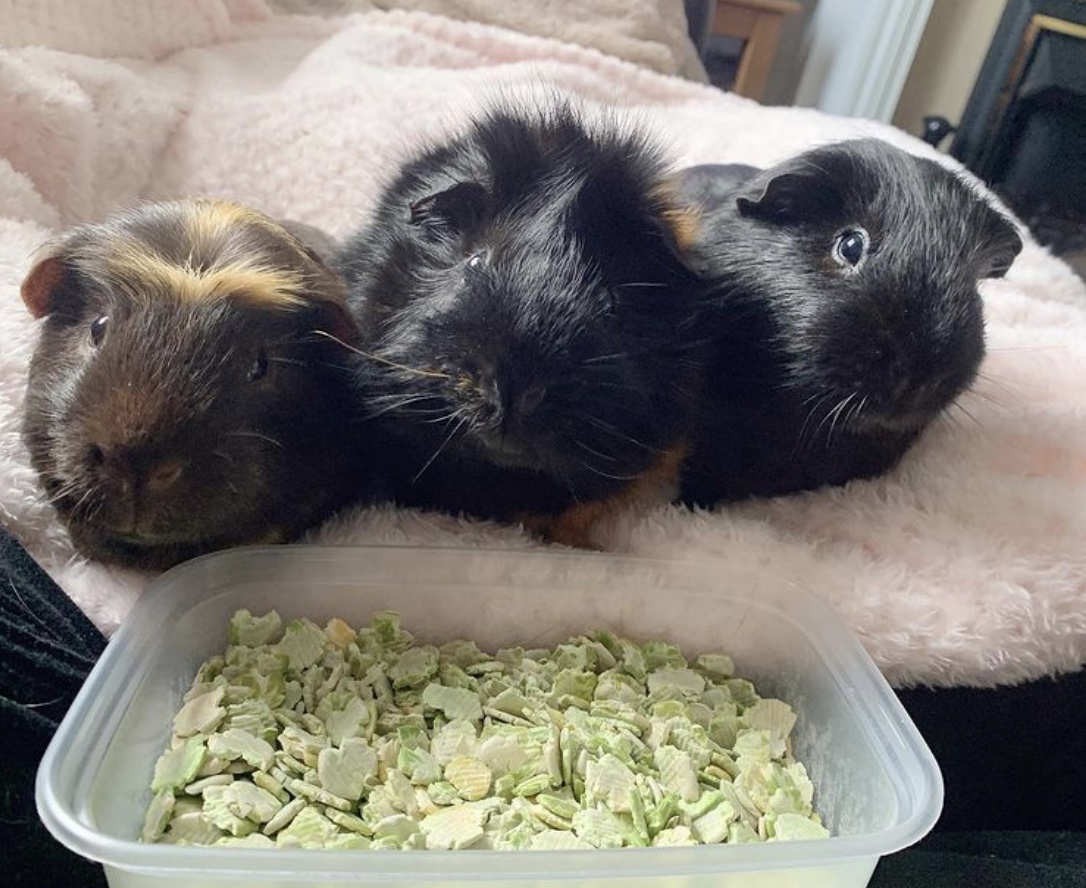
If you head over to @piggycareshop on Instagram, you can get a 130g bag of freshly made Peaflakes for £3.99, along with other yummy homemade treats! With our code LOKITHOR10 you can also get 10% off your entire order!
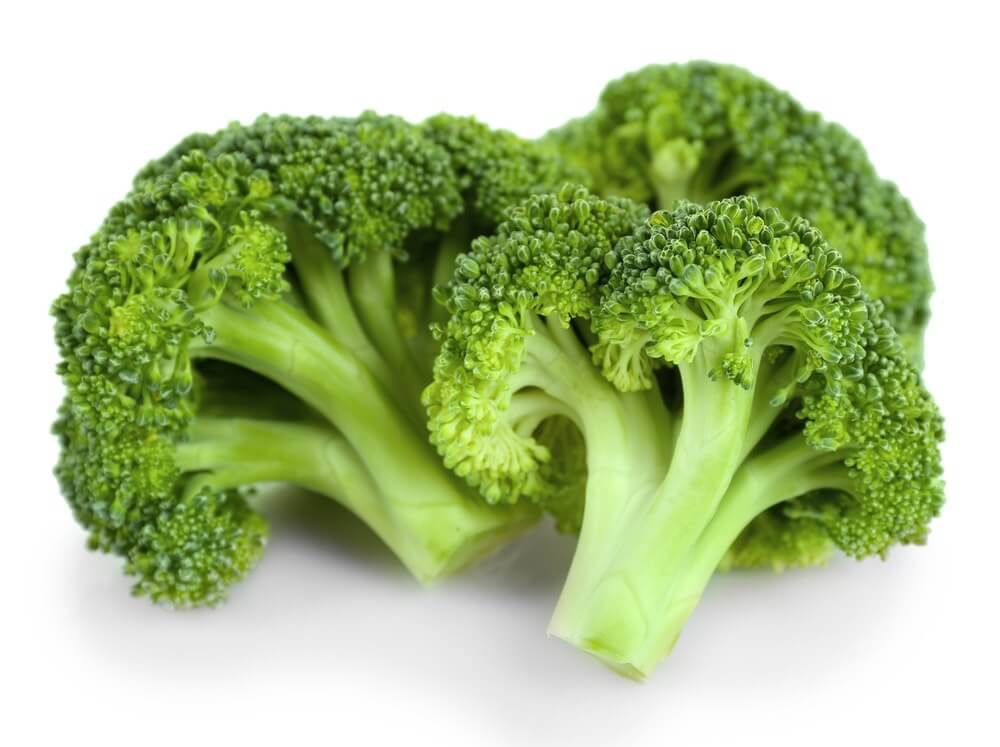
Broccoli Regularity – Feed occasionally
Broccoli is very high in Vitamin C, which can be really good for them, but too much can cause health issues.
It is also very high in oxalates, so only feed your Guinea Pig this as an occasional treat.
A combination of oxalates and calcium if eaten is high quantities can cause bladder problems and even bladder stones if not careful.
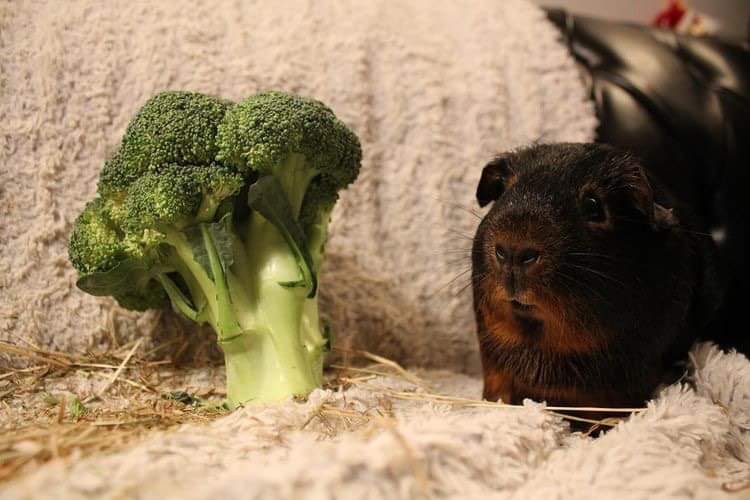
Broccoli can also cause bloating (I can back this up, because Loki has this issue whenever he eats broccoli and then he won’t stop farting) so make sure you on,y give them small amounts.
Guinea Pigs can eat the entire broccoli plant including the flower (head) stalk and leaves, so there is no need to waste any of it.
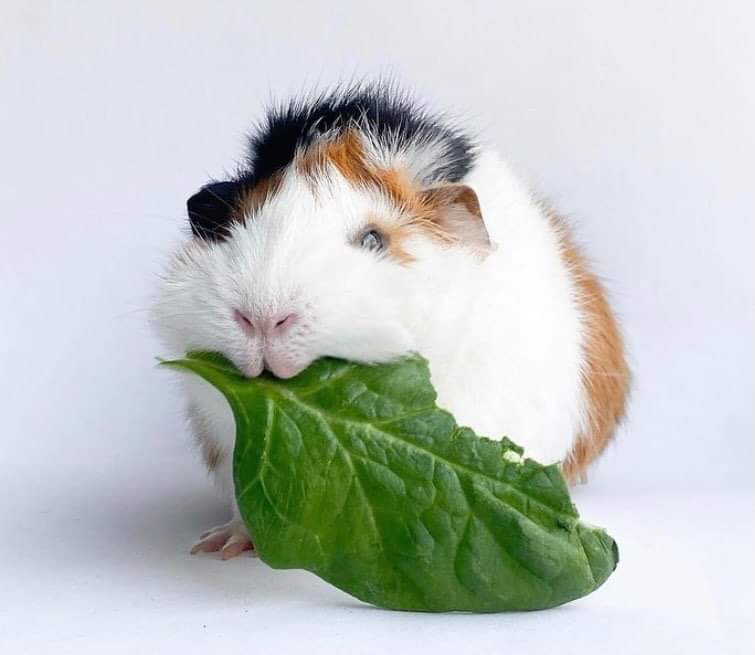
Spinach Regularity – Feed occasionally
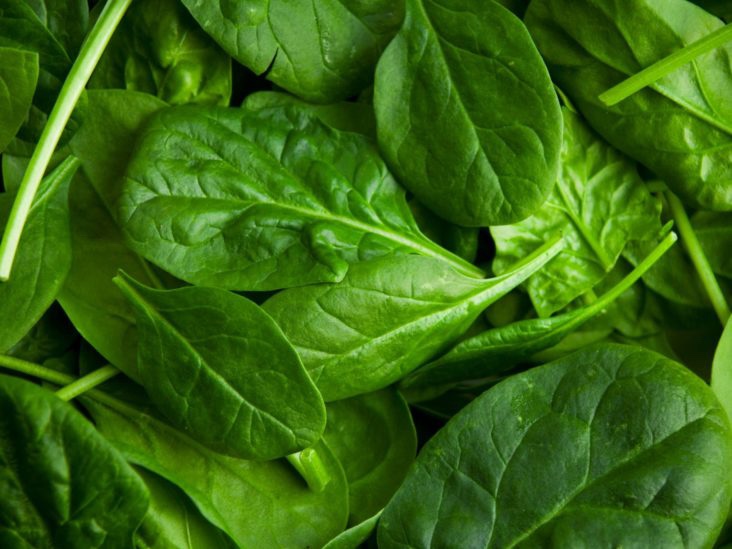
Guinea Pigs can eat spinach which includes baby spinach and the larger leaves.
Spinach has double the amount of Vitamin C found in Blueberries, but a lot less than a Sweet Yellow Pepper. So you need to be careful how much you feed your Pig.
The sugar content of Spinach is very low
Spinach has quite a bit of Calcium in it, less than Parsley.
Spinach also contains very high oxalates.
Although this food is safe for your Guinea Pig and most of them really like Spinach, it’s best not to feed them it often.
My Guinea Oig Thor can’t have Spinach as it sets his bladder up for all sort of problems. He has had bladder infections, due to the amount of calcium intake.
Kale Regularity – Occasionally
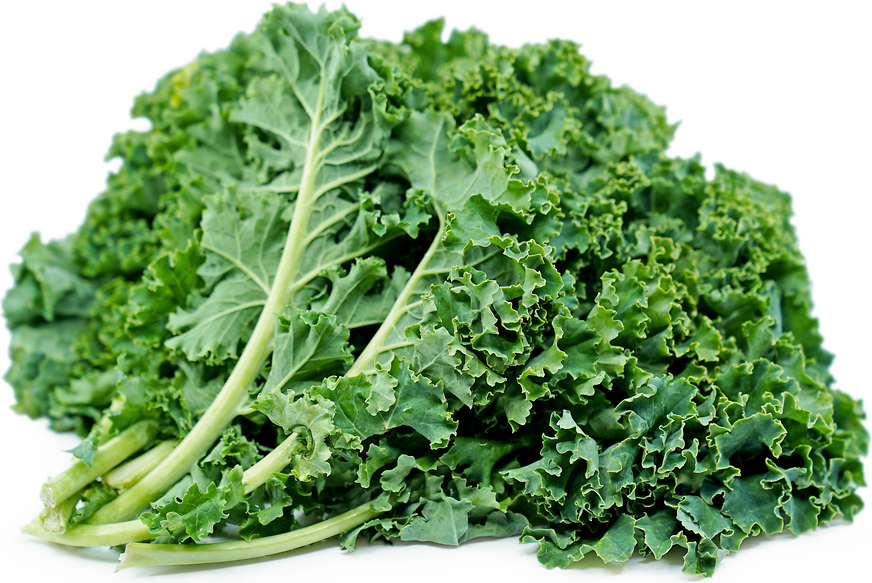
Kale is good for Guinea Pigs, but it need to be fed as part of a balanced diet. Having just kale all the time really is not good for your Guinea Pigs. This can lead to nutrient imbalances and other health probelsm
My boys love kale, but I tend to avoid it due to the calcium in it. Once again I need to be careful with what I give my boys, especially Thor, as he is prone to bladder infections. I am one of those owners who live by the moto ‘if 1 can’t have, none of you can

Tomatoes Regularity – Few time a week
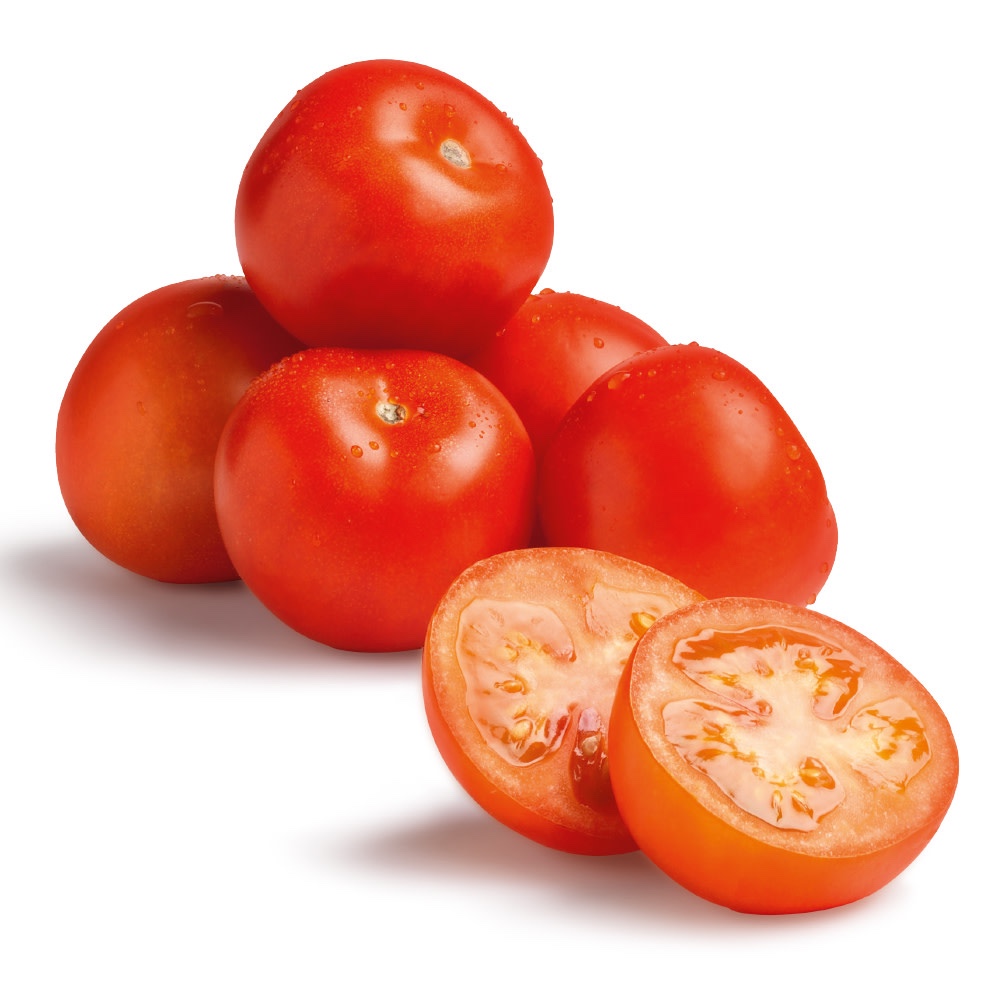
Luckily for them Guinea Pigs can have all varieties of Tomatoes, but should only be given very small amounts at a time
The leaves and stalks are poisonous to Guinea Pigs, so avoid these at all costs.
A whole cherry tomato can be given to your Piggy, but anything bigger will need to be cut up and only a piece given at a time as it can disrupt their digestion.
The seeds in tomatoes are also safe for your little furries
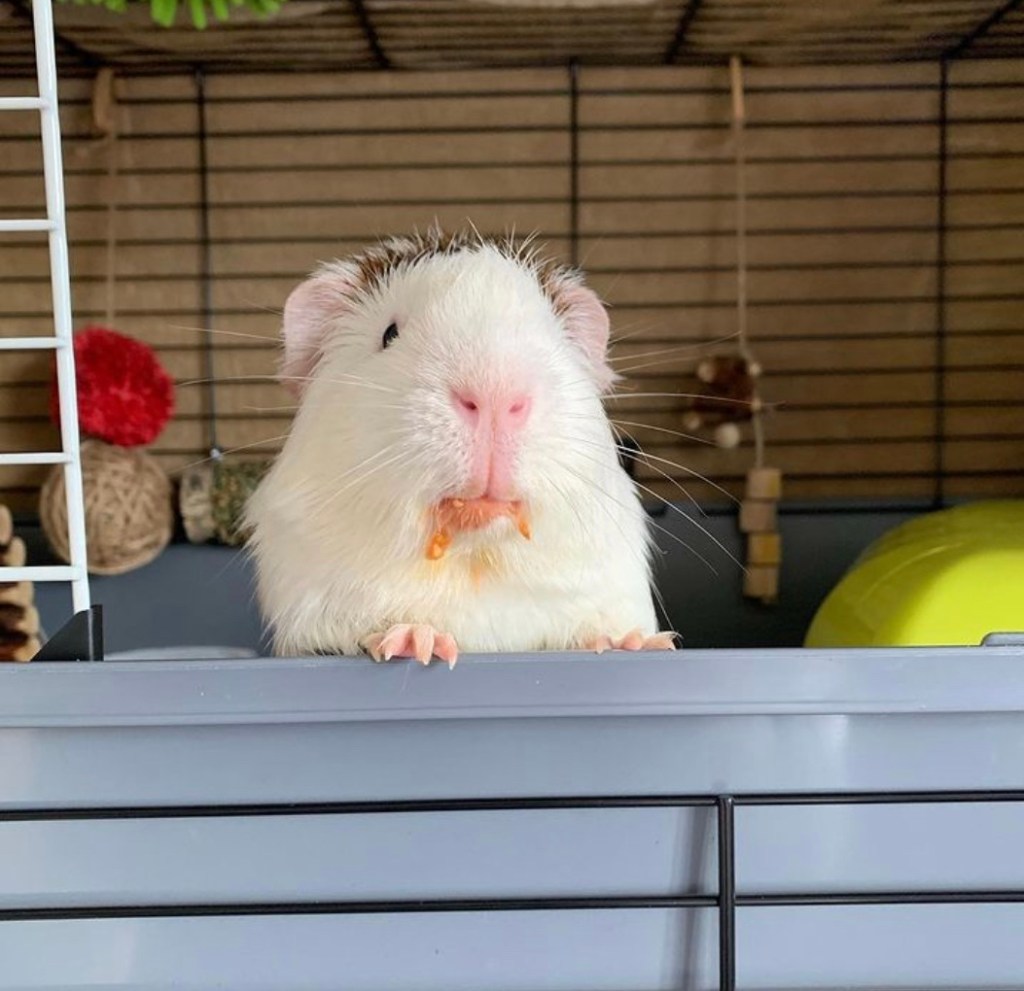
Lumi enjoys tomatoes the most out of my boys, but he does get very very messy!
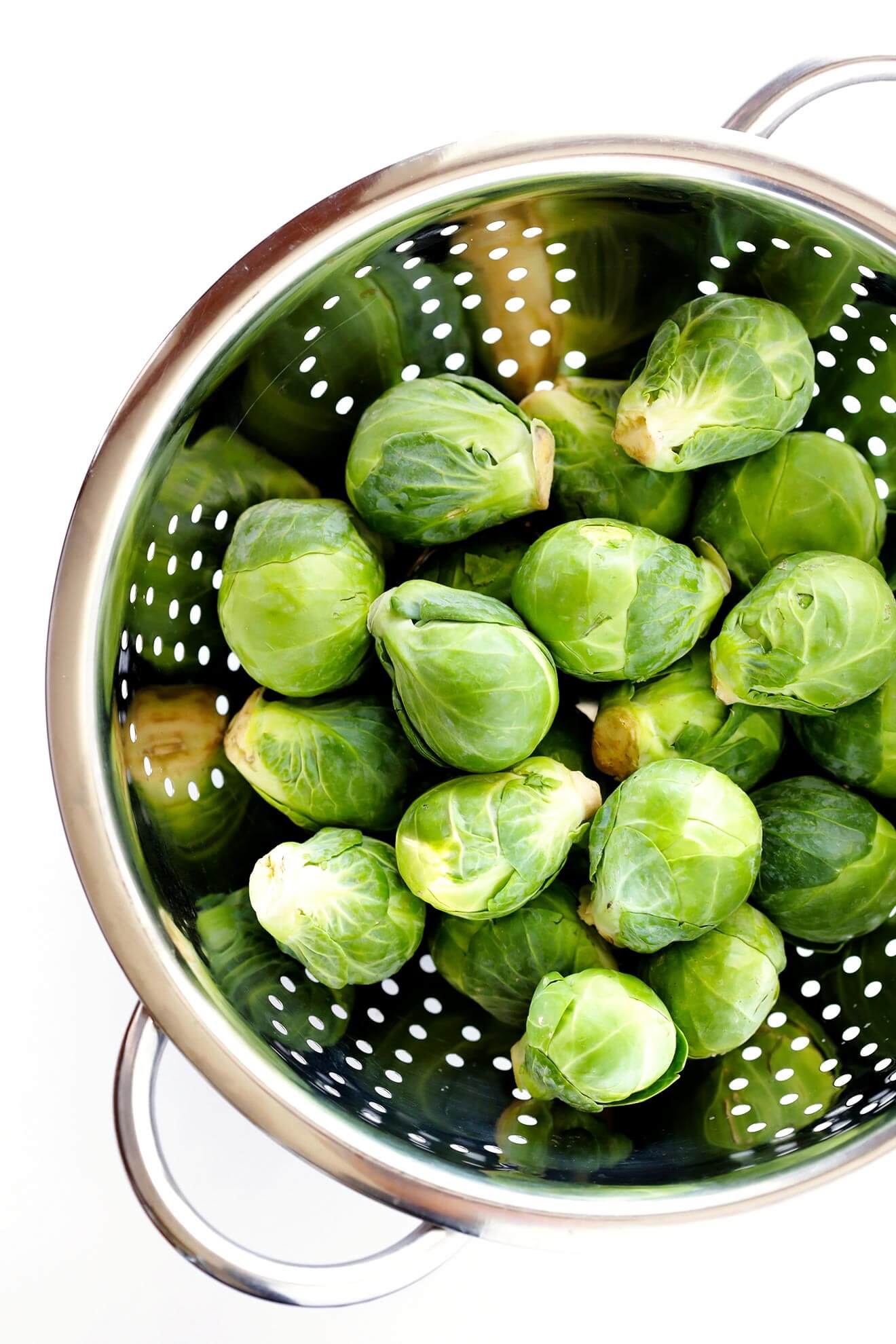
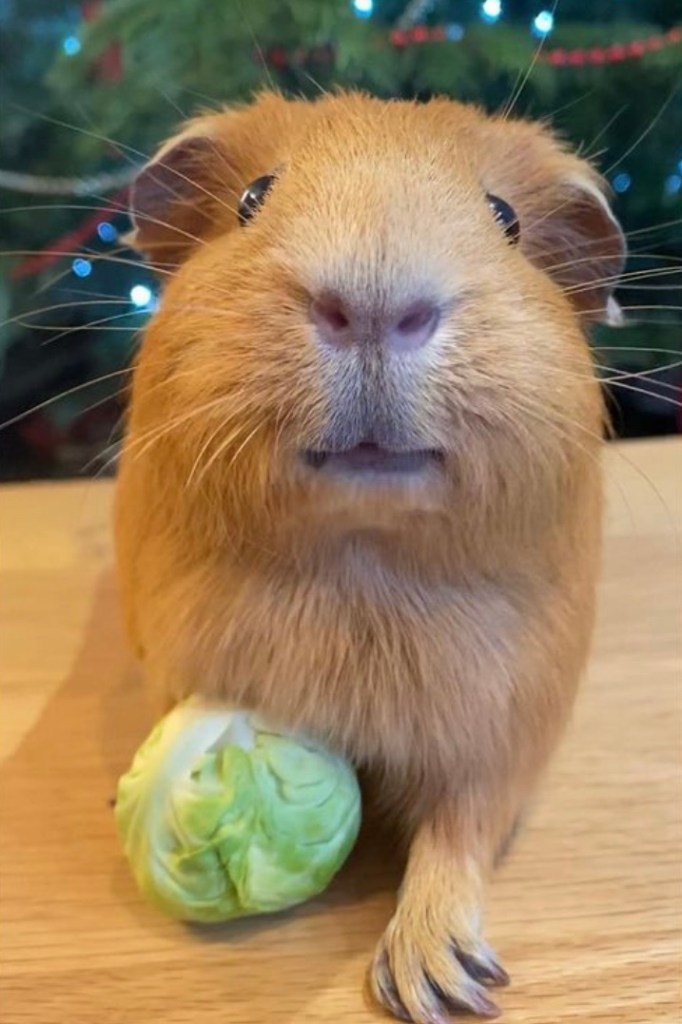
Sprouts Regularity – Occasional treat
Guinea Pigs can eat Sprouts, but they are very high in oxalates, which can cause bladder stones.
They are also known to cause gas and bloating, like broccoli, so it’s best to only feed them as treats.
My boys will only have them on a Sunday, but even then it’s only the leaves nannie takes off, but they’re not overalls fussed on them. They can be as fussy as humans when it comes to sprouts.
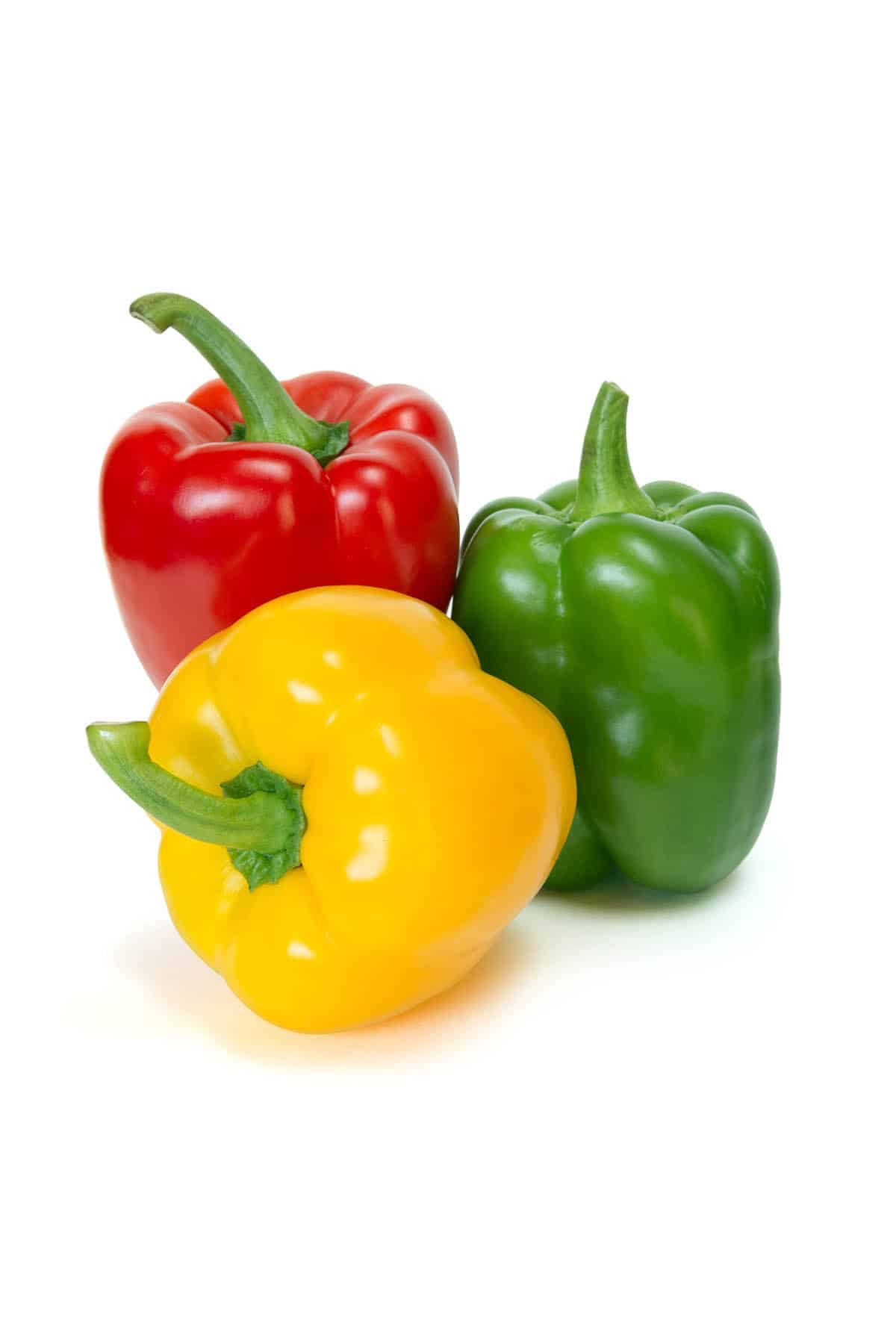
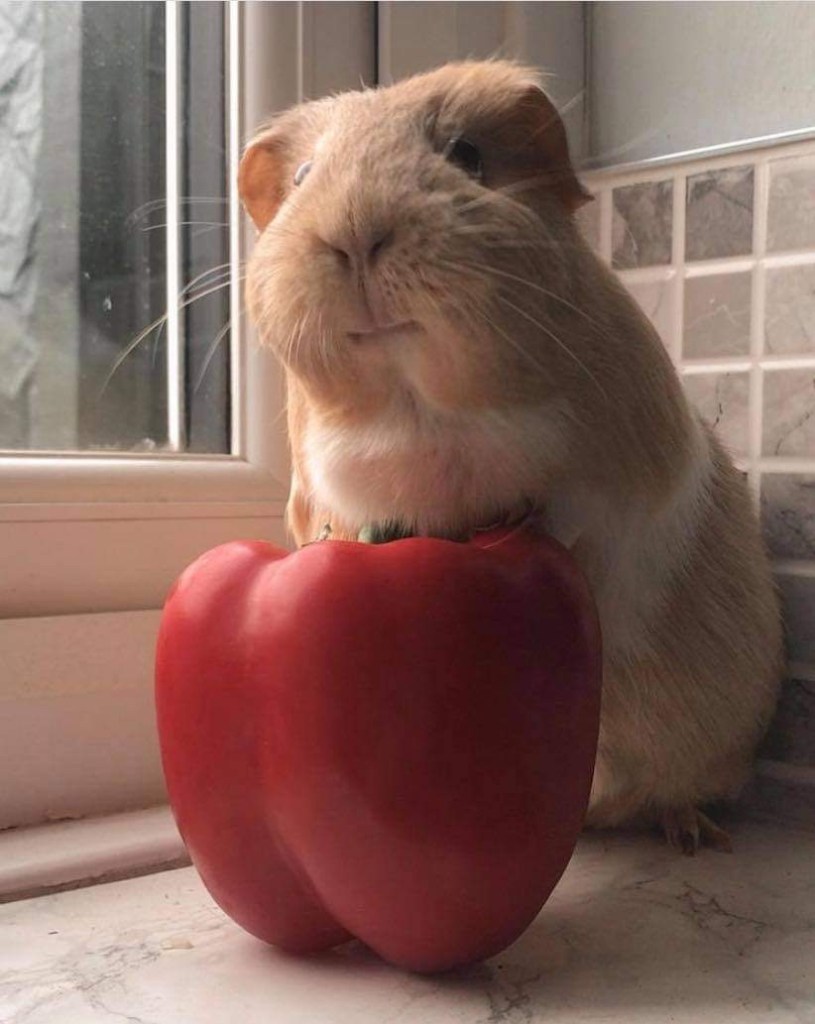
Bell Peppers Regularity – Few times a week
Guinea Pigs can eat all colours, but green are the best choice as they are low in sugar.
Mine will only eat the Green ones.

Asparagus. Regularity – occasional treat
It is safe to eat, but contains some oxalates, phosphorus and Vitamin C
My boys hate Asparagus.
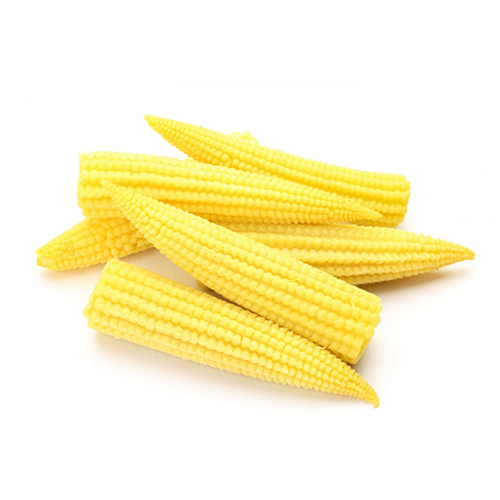
Baby Corn Regularity – Few times a week
Guinea Pigs can eat Baby corn (from the maize plant) in small amounts a couple a times a week.
These small cobs are picked before they become fully mature so they can be eaten whole, unlike mature cobs, which have hard, inedible cob.
Here isn’t much information on the nutritional value.
My boys do not like them.
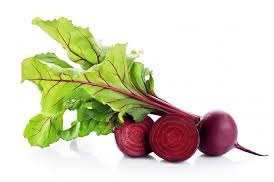
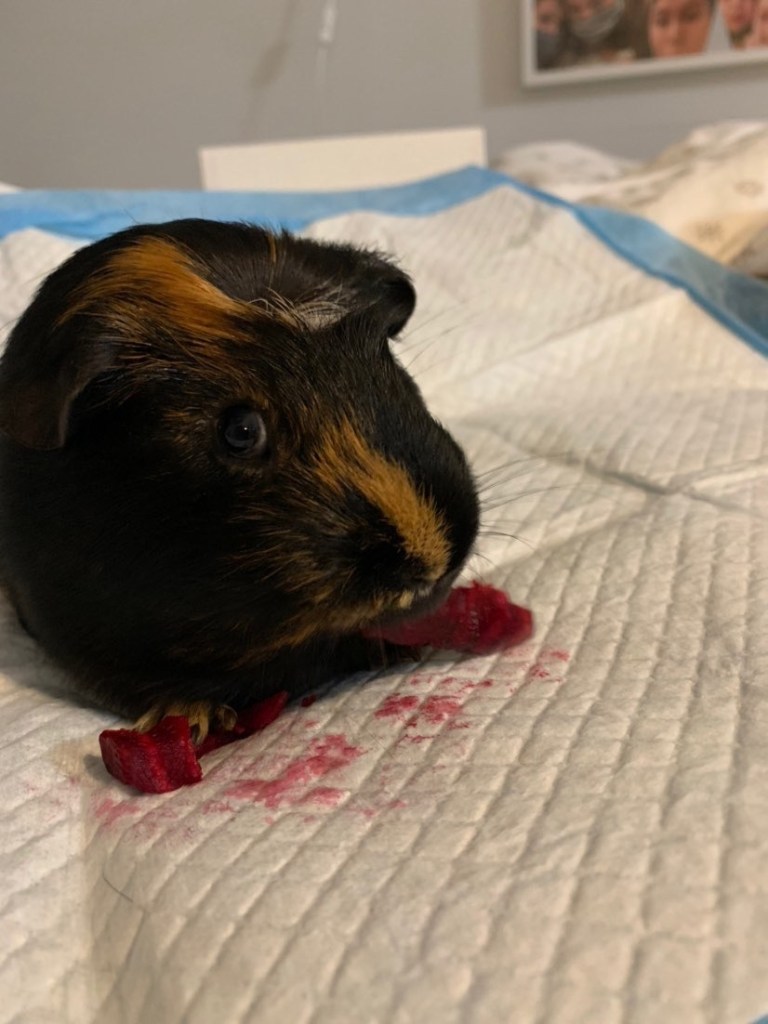
Beetroot Regularity – Few times a week
Raw beetroot: can be fed to your Guinea Pig once or twice a week.
It contains no oxalates, a small amount of calcium and phosphorus.
My boys do not like them.
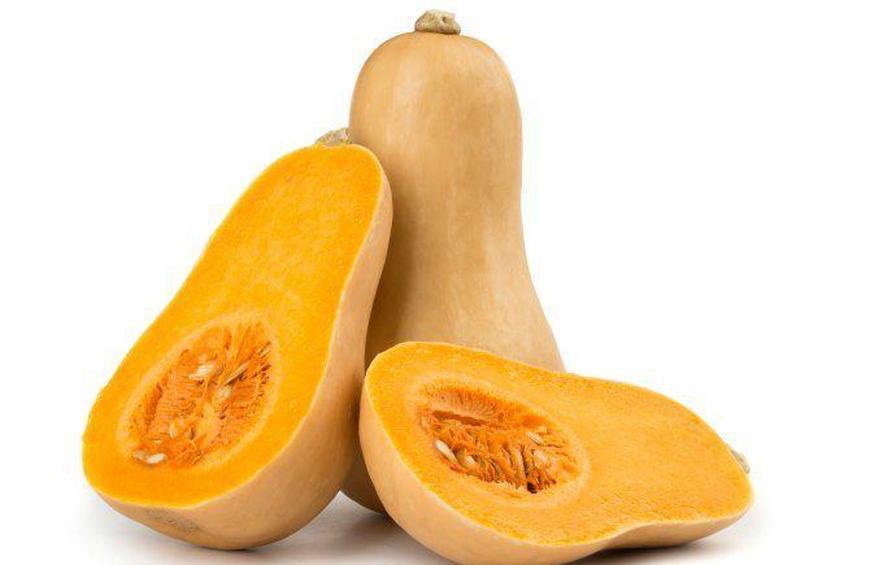
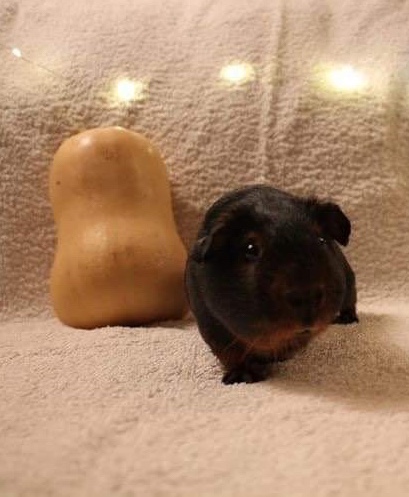
Butternut Squash Regularity – Feed Occasionally
You can feed your Pigs this, but it isn’t something you should feed them often, as it’s quite high in oxalis acid.
When I let my boys try this for the first time, they ran away from it.
Cabbage Regularity – Few times a week
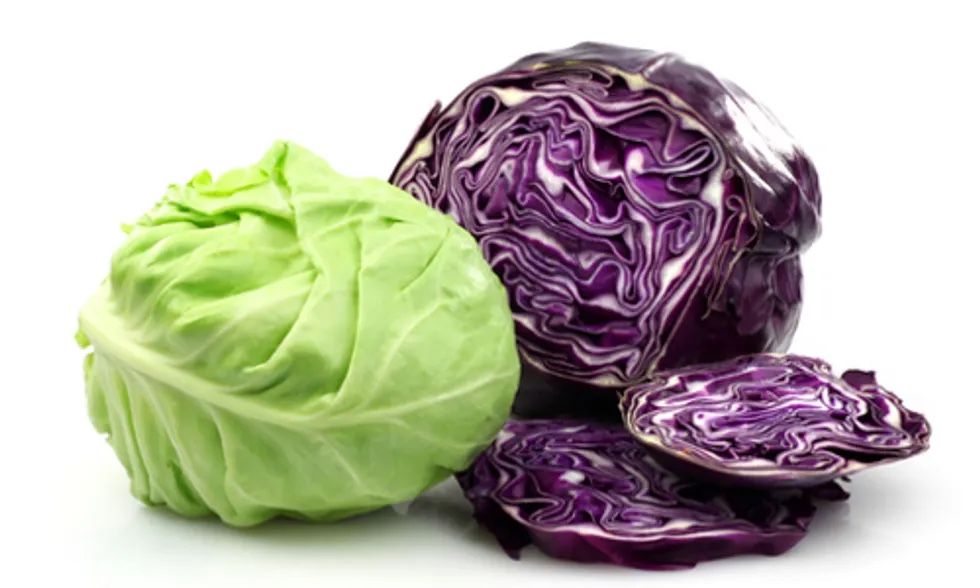
Cabbage is good for your little furries.
It’s contains high amounts of Vitamin C
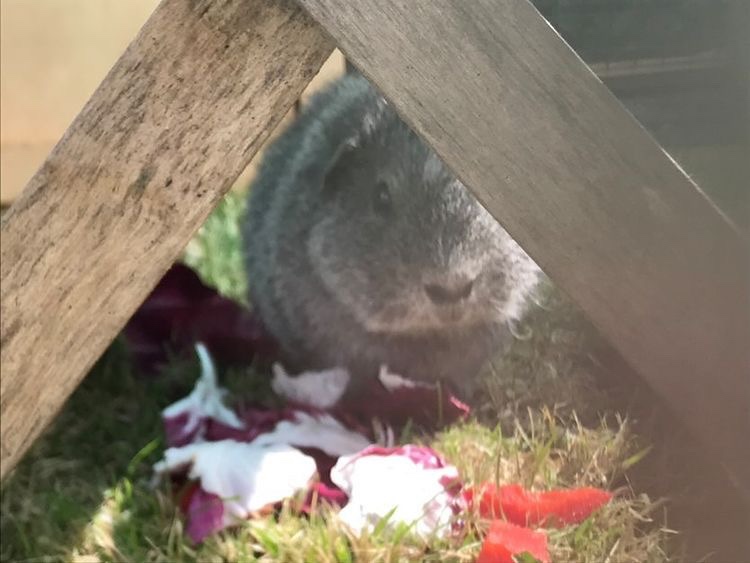
Red cabbage contains night amounts of Vitamin C and a hint calcium. You can feed these occasionally.
My boys enjoy Cabbage.
Savoy Cabbage Regularity – Occasionally
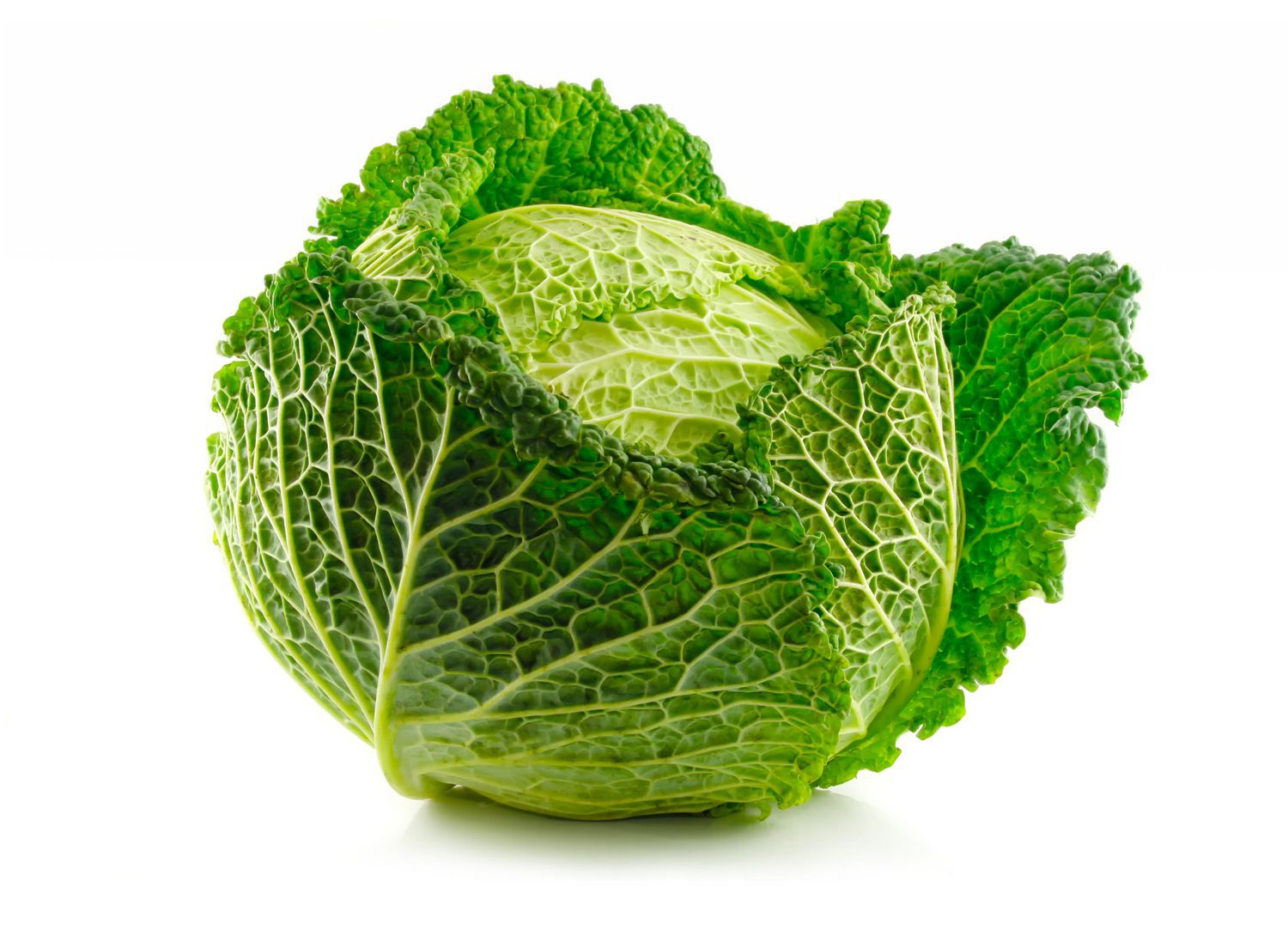
Guinea Pigs really enjoy Savoy Cabbage, because it tastes really nice to them.
The main reason to give to it your piggies is because it has vitamin C in it any its crucial to the well-being of your pets.
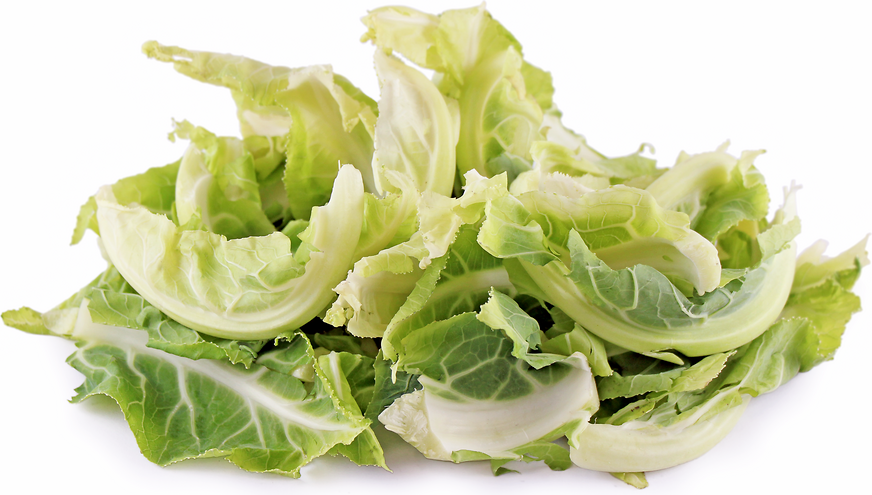
Cauliflower Leaves Regularity – Few times a week
Many Guinea Pugs love Cauliflower leaves and not the florets.
Make sure you feed Cauliflower in moderation, because it can cause gas and bloating.
My boys will only eat the green bits on the leaves.
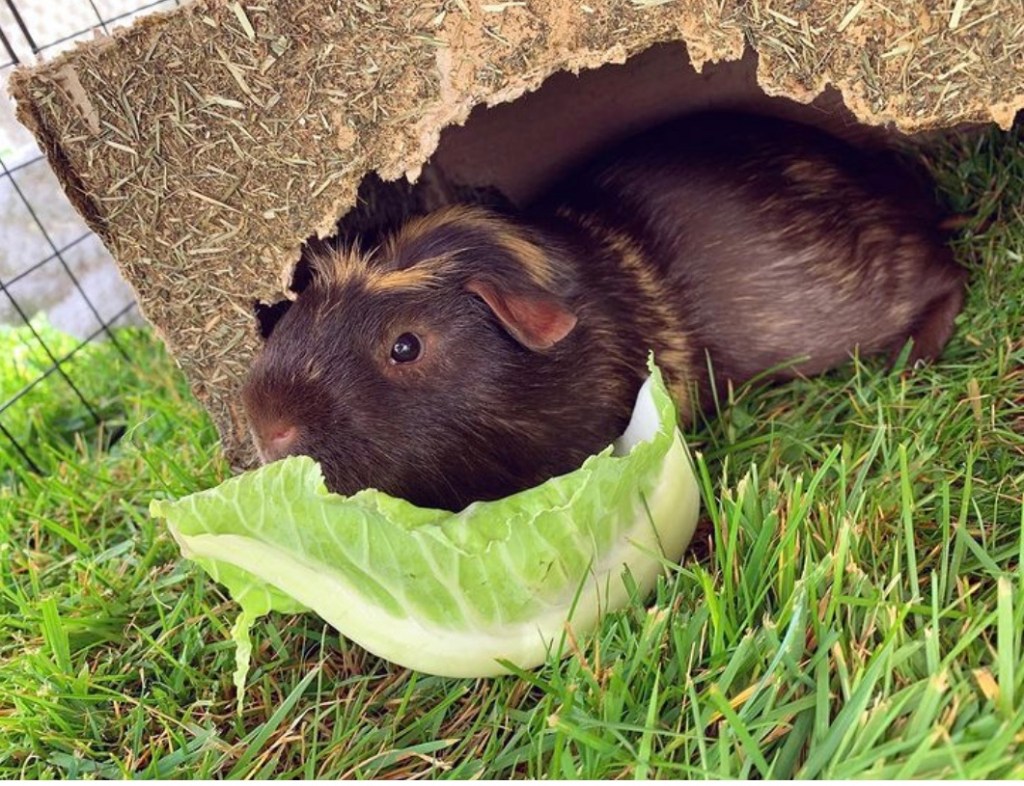
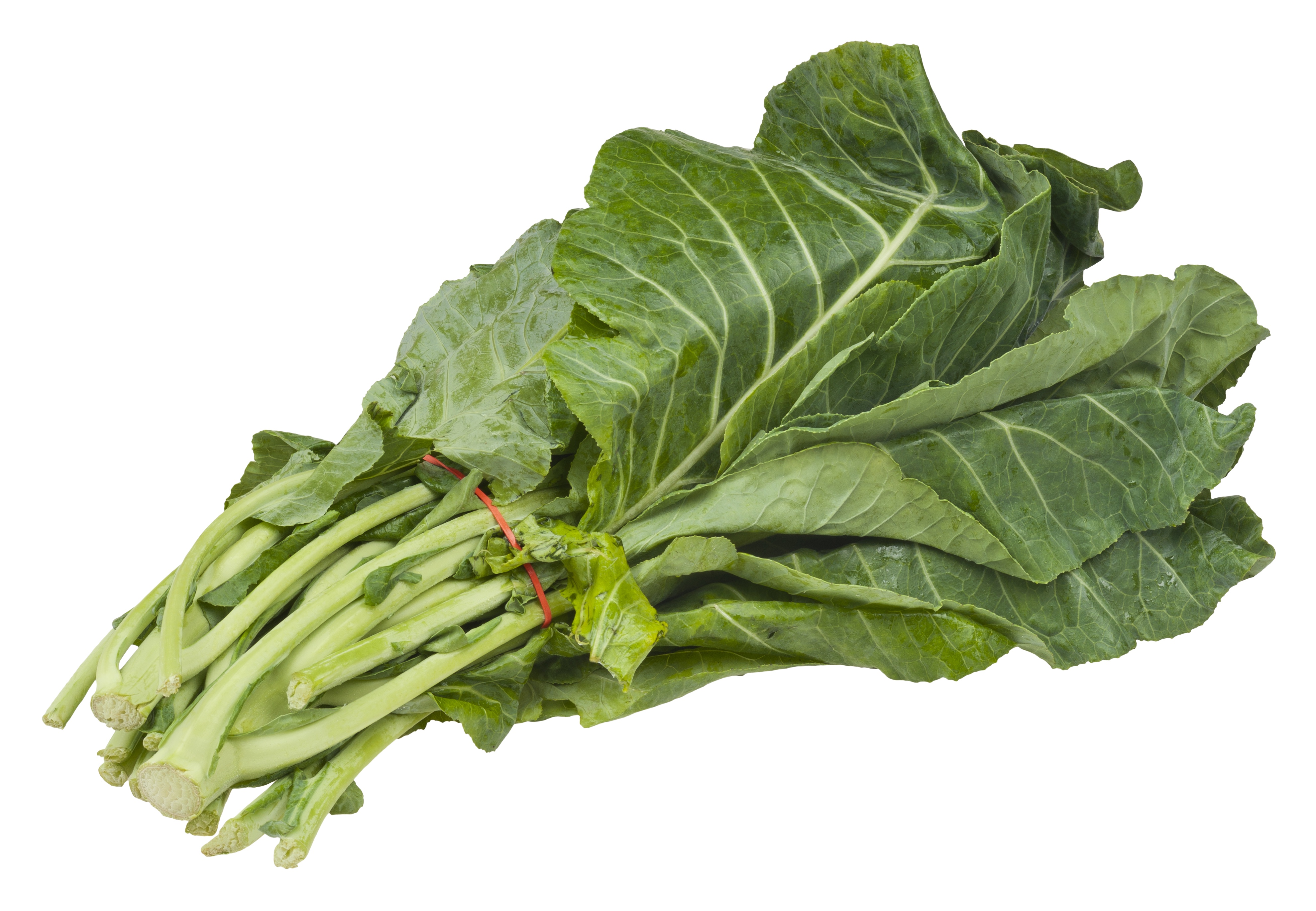
Collard Greens Regularity – Few times a week
Guinea Pigs can eat Collard greens for sure.
Collard Greens are rich source of Vitamin A, C and K, followed by a wide a range of other nutrients needed by our Guinea Pigs. However it also has a decent amount of calcium.
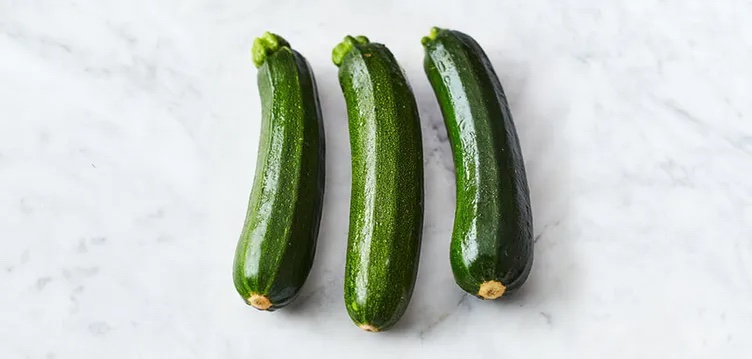
Courgette Regularity – Few times a week
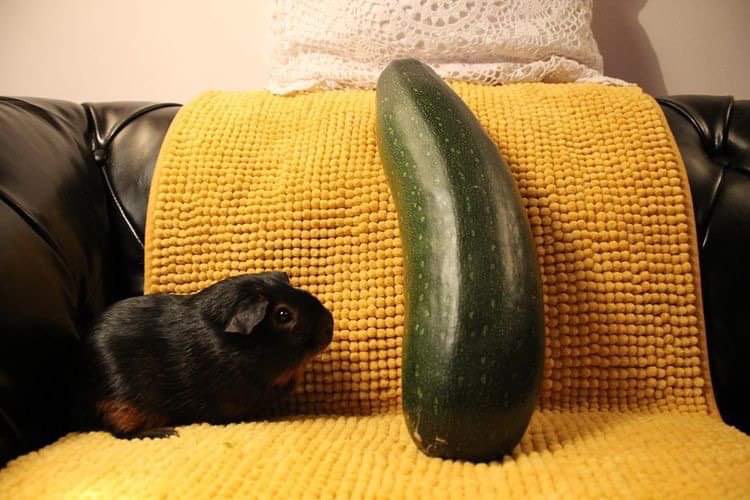
Guinea Pigs can eat the whole courgette, including the skin and seeds, but many don’t actually like them… mine don’t.
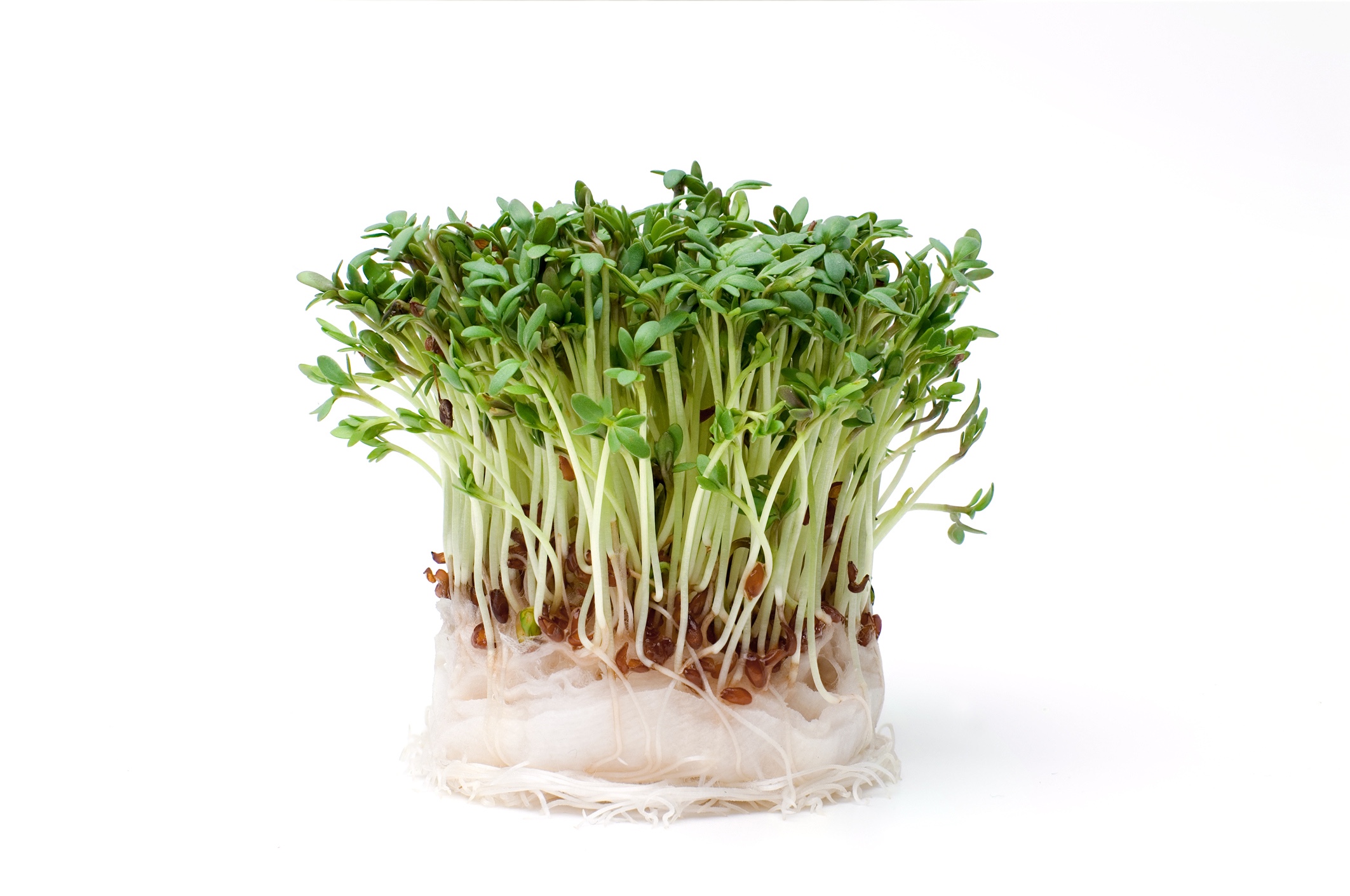
Cress Regularity – Few times a week
Cress contains a noticeable amount of phosphorous, calcium, sugar and it is quite acidic.
However it is rich in Vitamin C, which makes it great food for your Guinea Pig

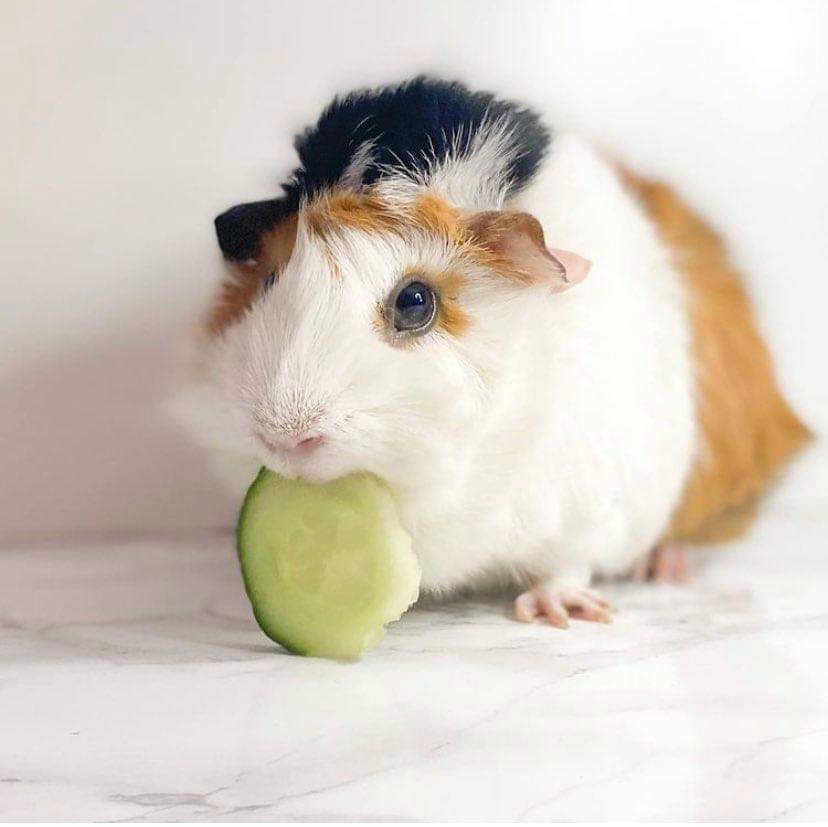
Cucumber Regularity – Few times a week
The skin/peel of any veg is where the Vitamins and minerals are in. The skin is the most fibrous part of the cucumber. This is a great reason to give you Guinea Pigs, because they need plenty of fibre in their diet.
Baby cucumbers are also loved by Guinea Pigs and many love them more.
Cucumbers are also great in the hot weather, as it will keep them hydrated.
My boys love cucumbers any time of the years.
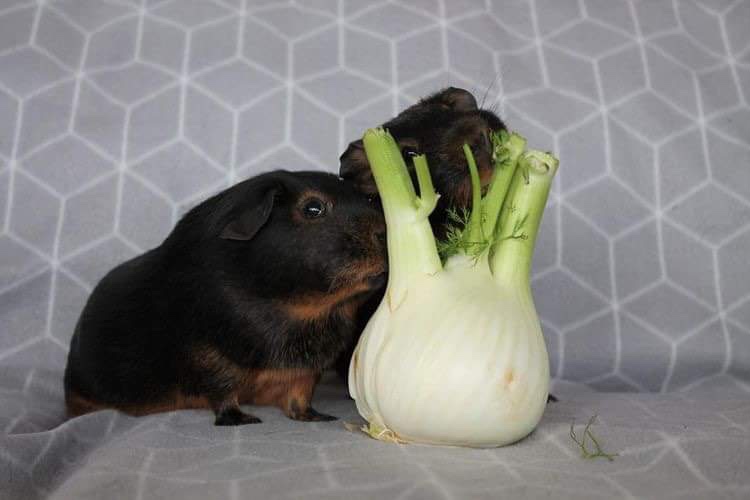
Fennel Regularity – Occasional Treat
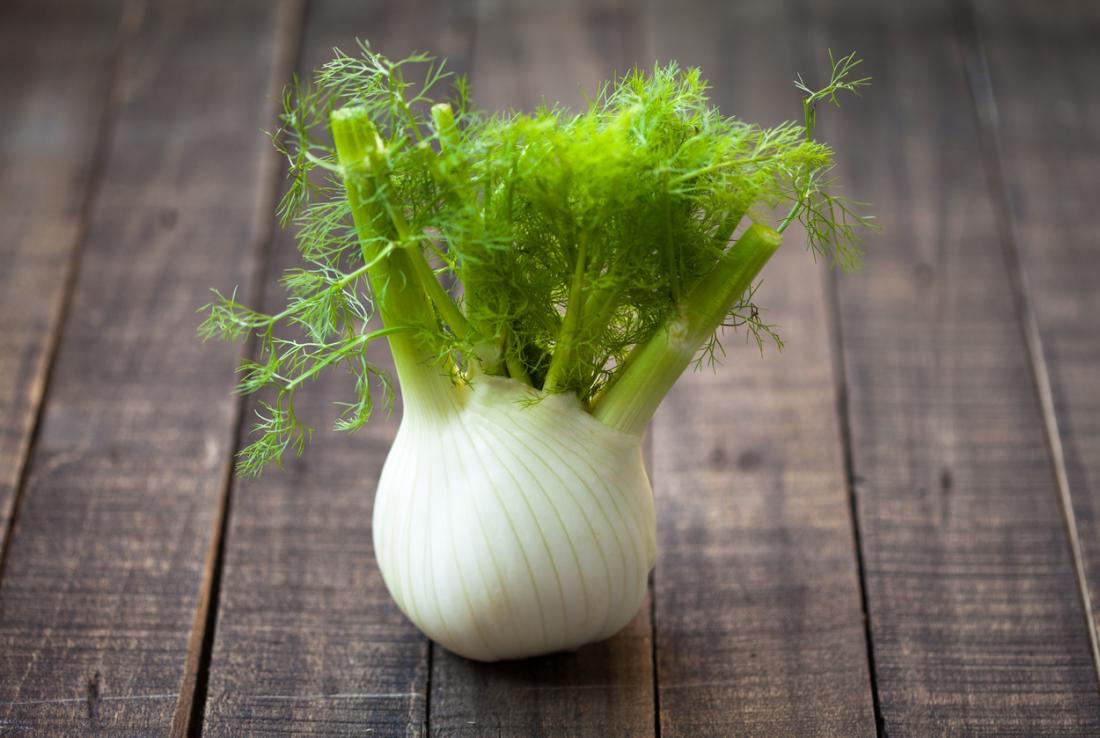
To begin with.. bulbs are not safe for Guinea Pigs, but you can give Fennel bulb to them!
Fennel has the same texture as celery, but funnily enough it’s actually a part of the carrot family.
The best bit about fennel is its pepperminty smell and taste.
Fennel has fibre in it, which is an essential part of your Guinea Pigs diet to keep their gut and digestive system healthy.
My boys love fennel and would eat the entire thing if I let them.
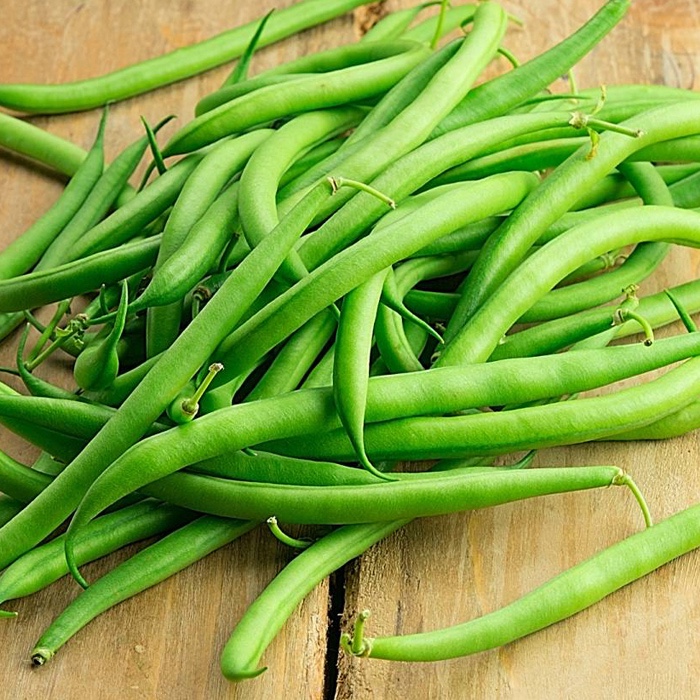
Green Beans Regularity – Few times a week
Guinea Pigs can eat these raw.
They contain a high amount of calcium though so be careful not to over do it.
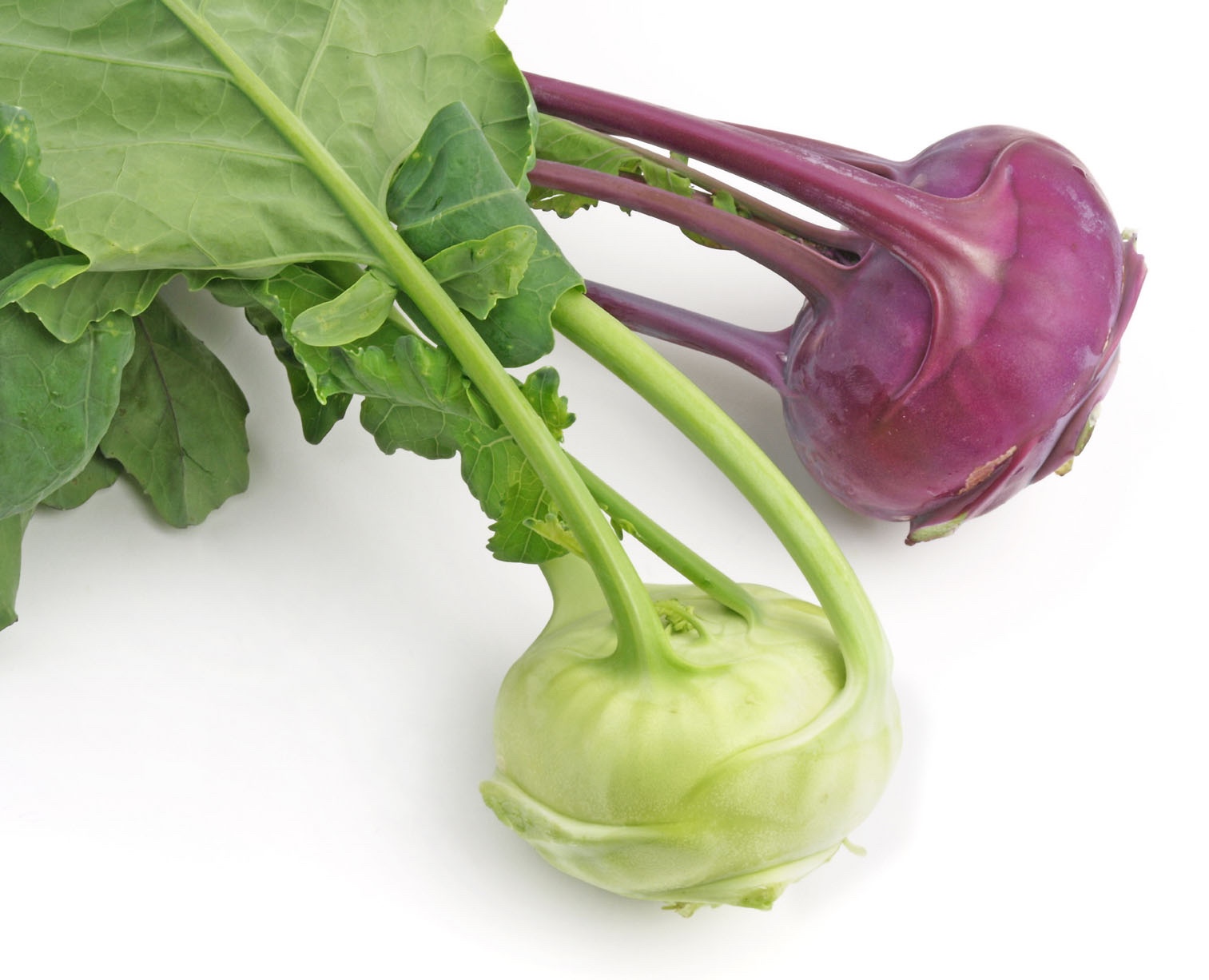
Kohlrabi Regularity – Few times a week
Kohlrabi has a good amount of Vitamin C in it, which makes it attractive.
Fibre levels are also high.
The leaves can be fed in moderation along the same lines as Broccoli, Cabbage, Kale and some other leafy greens.
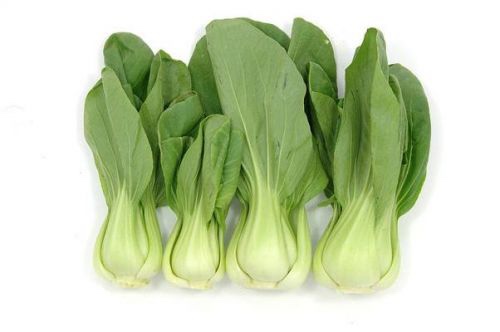
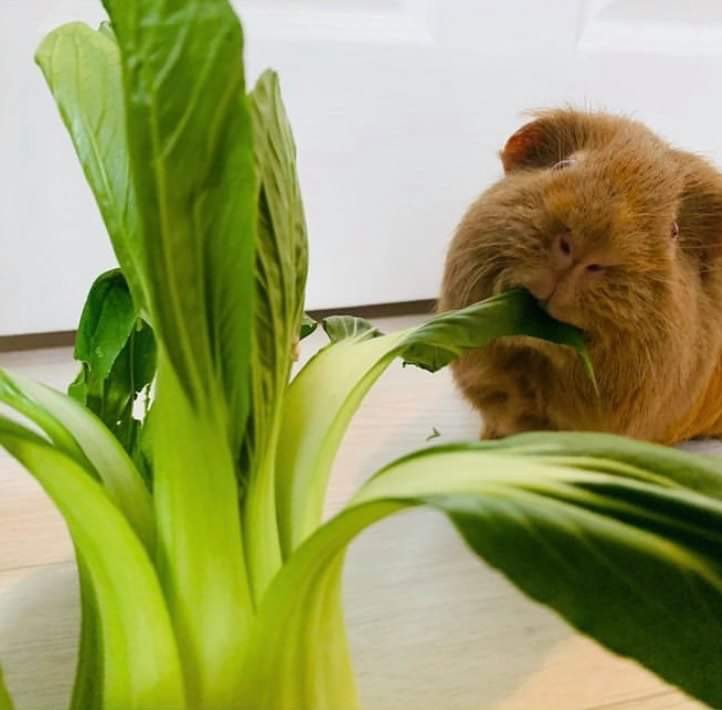
Pak Choi Regularity – Feed occasioanlly
This contains a lot of calcium, hint of salt, hint of fat and a large amount of water.
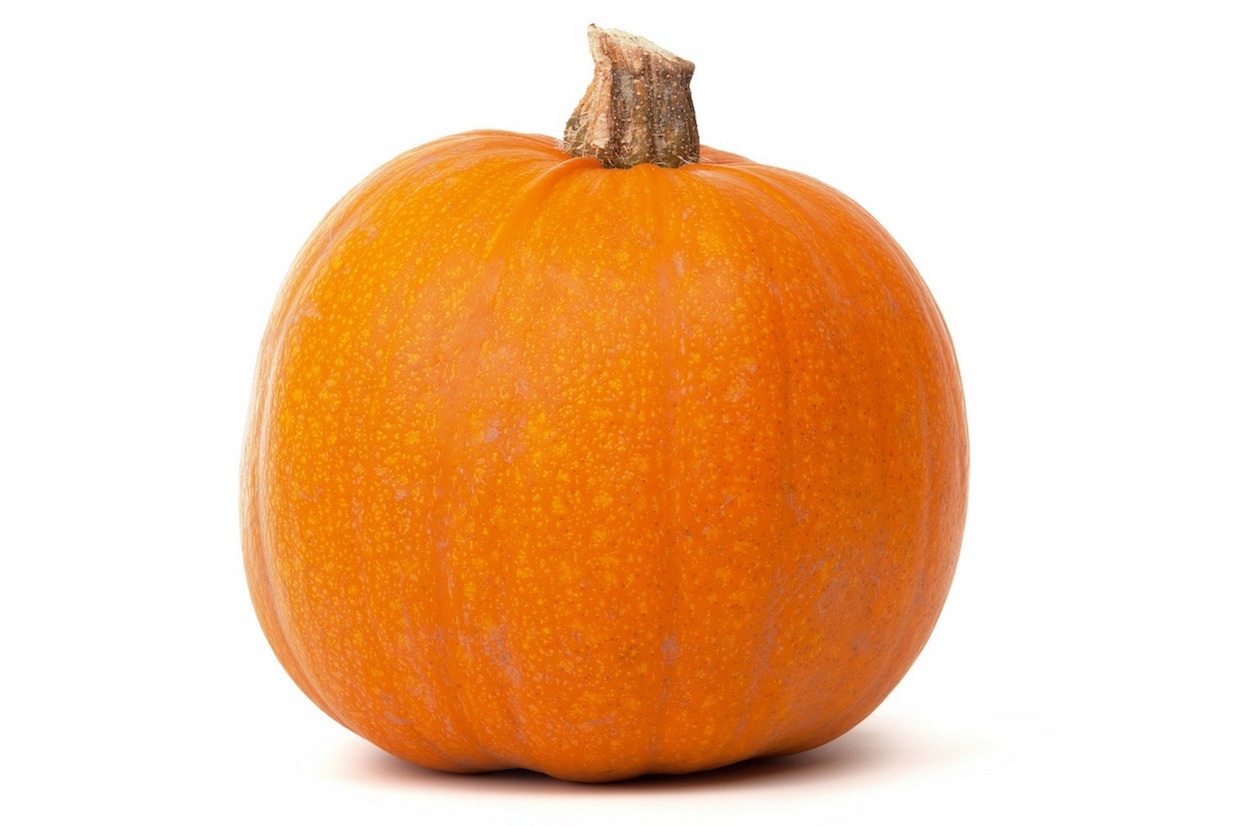
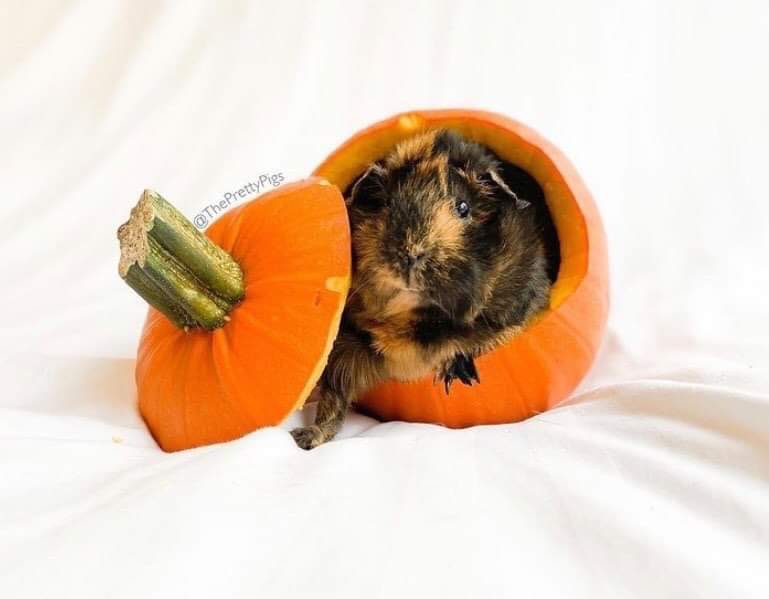
Pumpkin Regularity – Feed occasionally
Pumpkin skin and flesh are perfectly edible for Guinea Pigs.
Pumpkins have low nutritional value, so is best to be kept as a treat.
Pumpkin is mainly made up of water, but the most nutrition comes from the skin.
Pumpkin is very high Vitamin A, which is caused by the high levels Beta Carotene (this makes the Orange colour) Vitamin A is good for the eyes, skin, reproductive system and immune system.
The seeds inside a pumpkin are perfectly edible for your piggies.
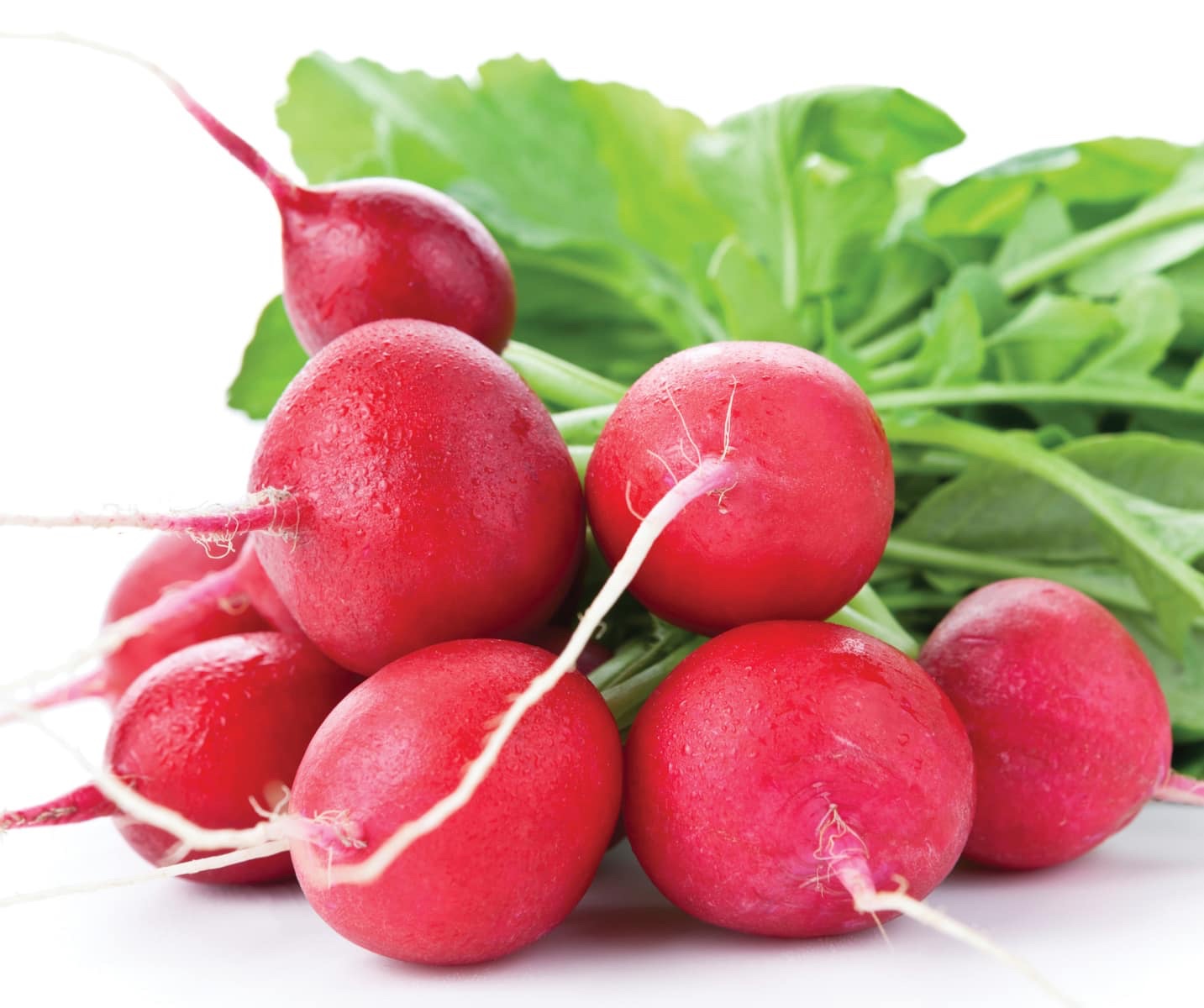
Radish Regularity – Feed occasionally
Radish should be given as an occasional treat, because they’re quite high in oxalates.
Radish leaves can also be eaten, but these have high calcium content and should be given sparingly.
Many Piggies don’t actually like radish (mine dont), but they will eat the leaves. They may also prefer the milder versions.
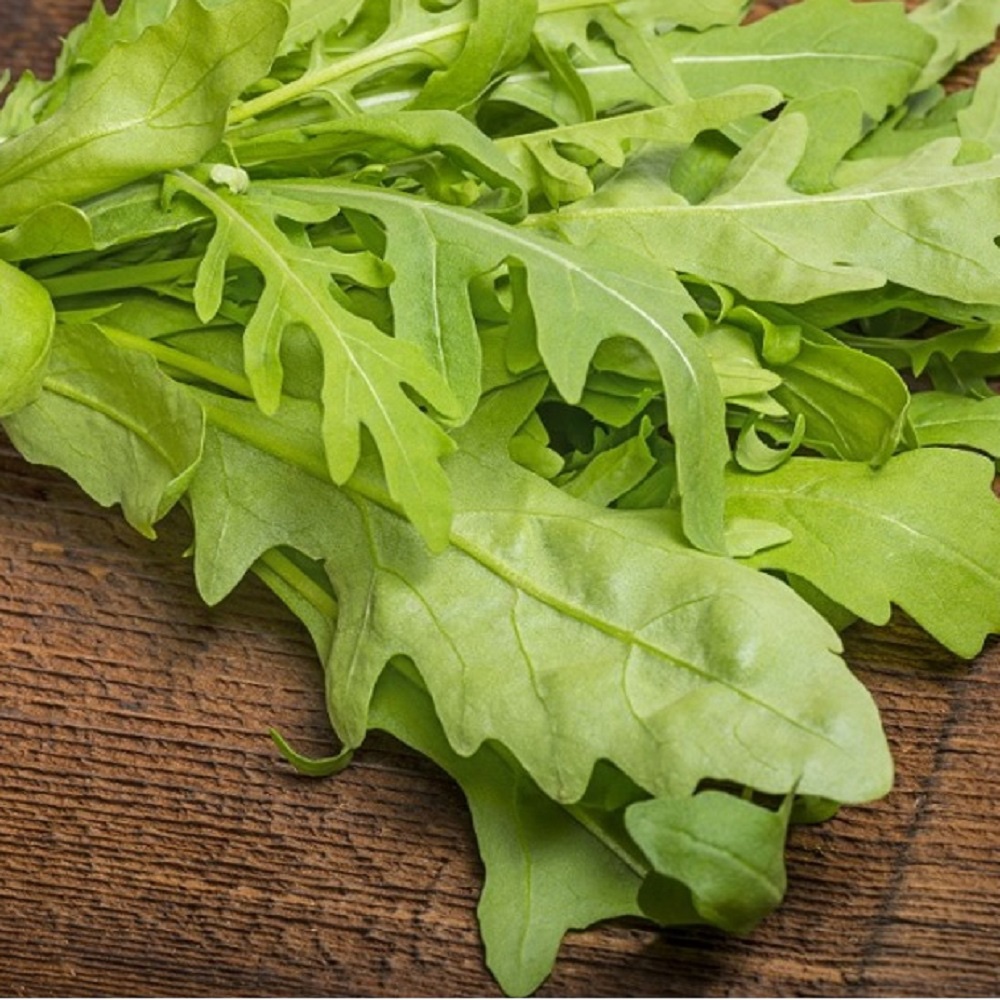
Rocket Salad Regularity – Few times a week.
Also known as Arugula, is a peppery flavoured green salad leaf, which Guinea Pigs can eat. This can have strong flavour, so many pigs may not like it.
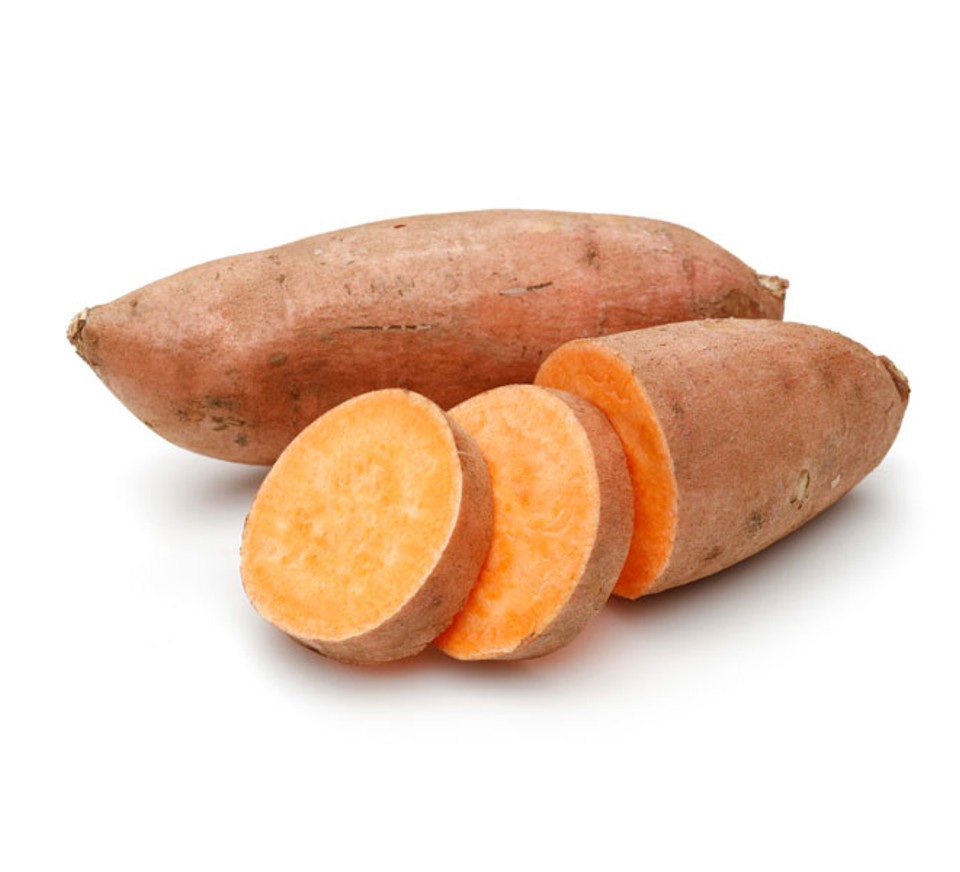
Sweet Potato Regularity – Occasional treat
Surprisingly Guinea Pigs can have Sweet Potato, it only a bit here and there, as it’s not a part of their regular diet.
Sweet Potato have small amounts of Phosphorous. They also have large amounts of Oxalates and Starch.
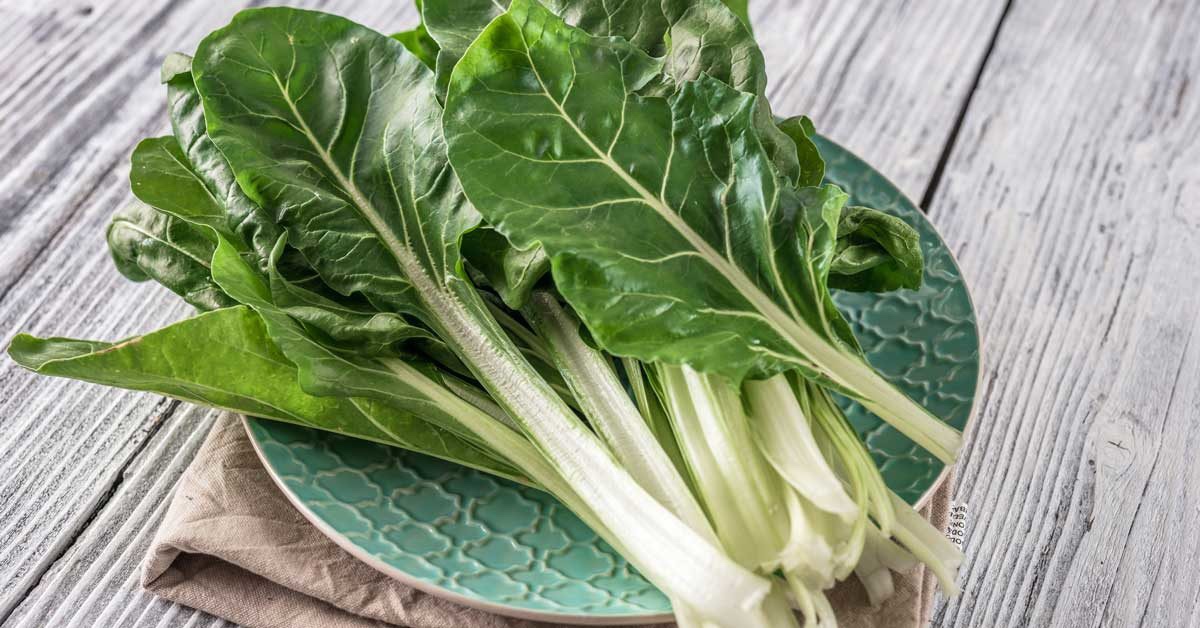
Swiss Chard Regularity – Few times a week
This is reasonable nutritious vegetable for your Guinea Pig. However you must be sure to feed it in moderation, as it has more calcium than we consider to be ideal.
Due to its fibre content, Swiss Chard may cause gas, bloating and Diarrhoea.
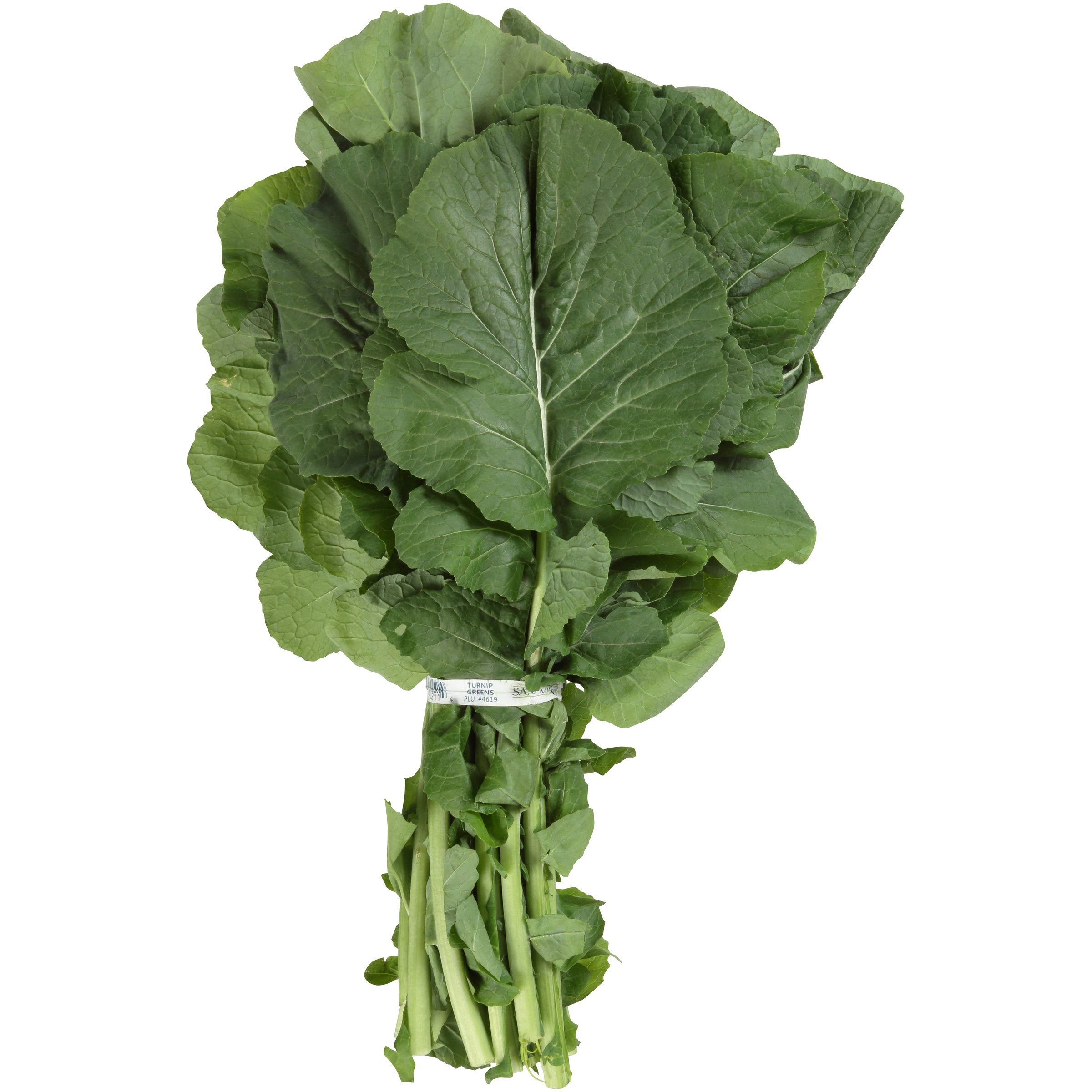
Turnip Greens Regularity – Few times a week
Guinea Pigs can eat Turnip. Along with the skin and greens. Turnip is rich in Vitamin A,C,K and Folate, which is beneficial for our piggies. It also has a high calcium content.
Turnip is a very hit and miss vegetable for your Guinea Pig, they either love it or hate it, like marmite.
Over feeding Turnip to your Pigs can cause Urinary and Digestive problems, so be careful.
Some benefits of feeding piggies Turnip are: subsidise heart health, it helps lower cholesterol, reduces blood pressure, improves bone health, boosts immune system and helps shield against diabetes.
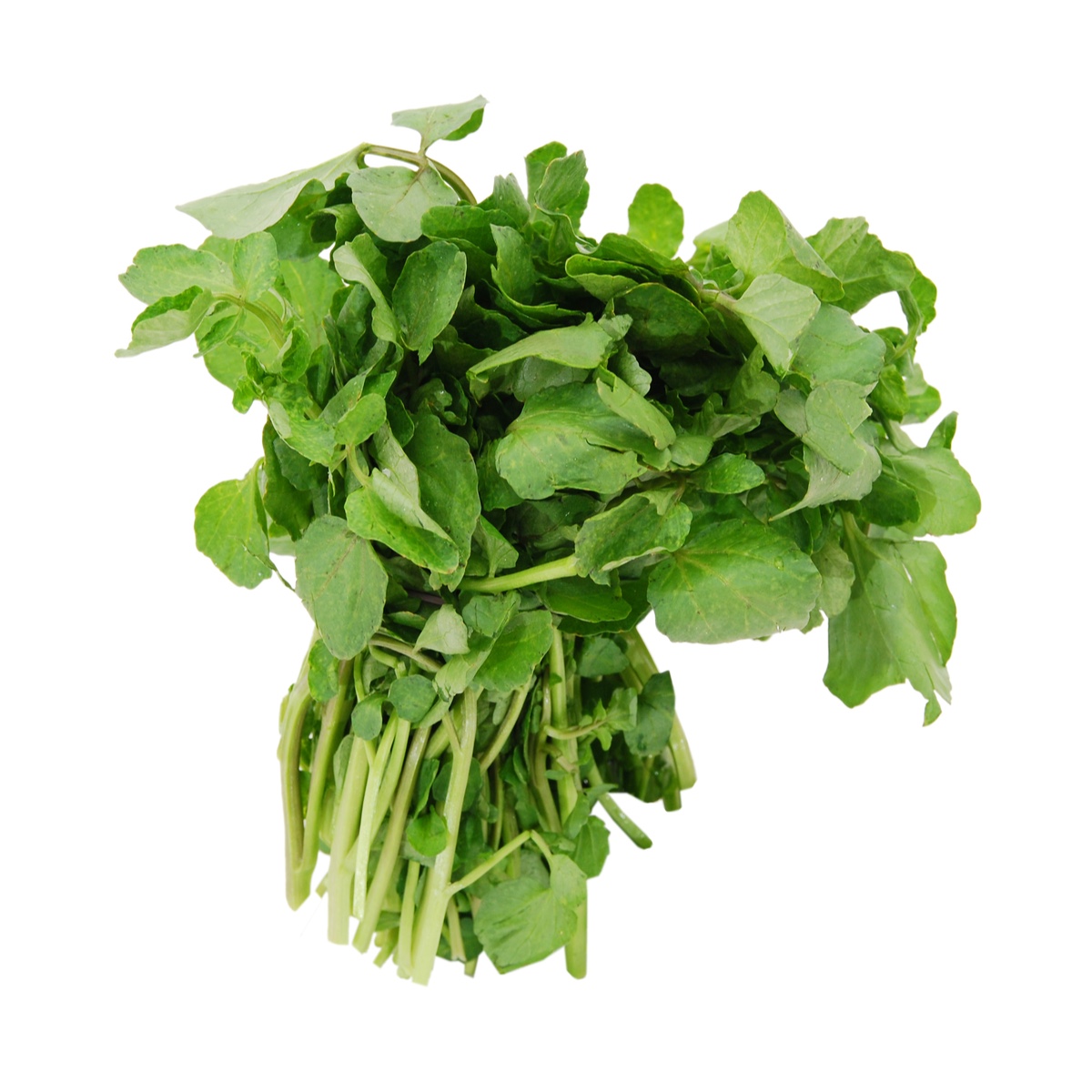
Water Cress Regularity – Feed occasionally
Water Cress has high amounts of vitamin c and should be fed occasionally.
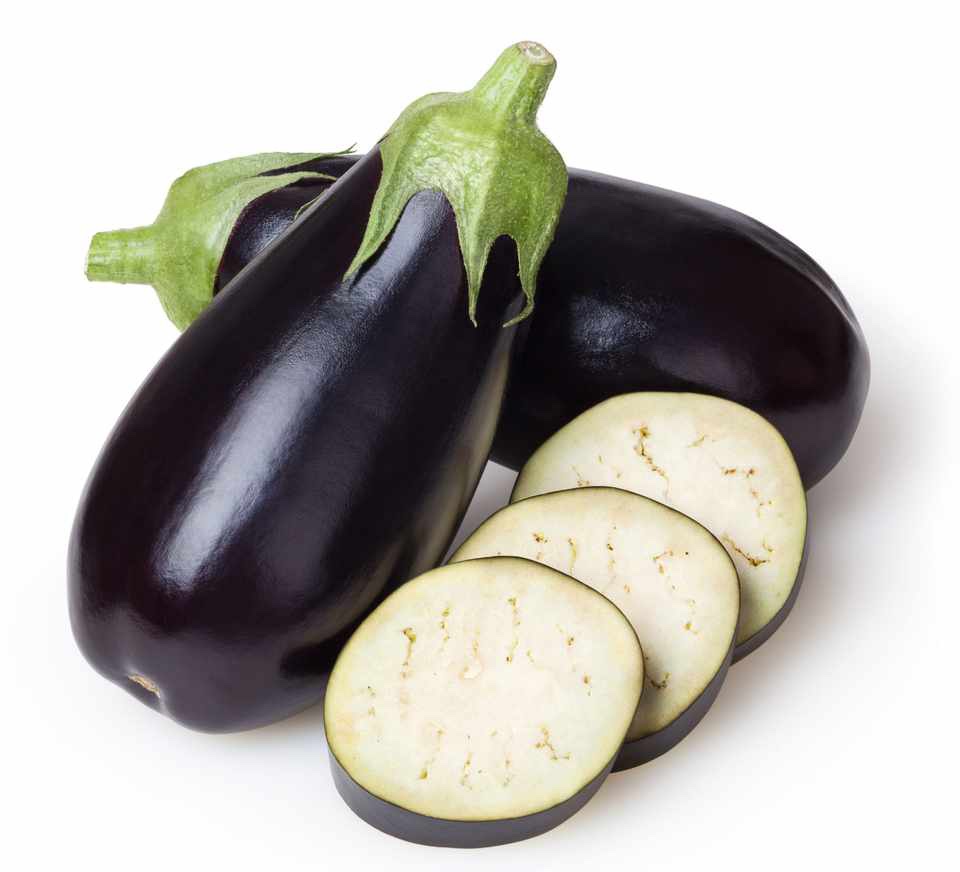
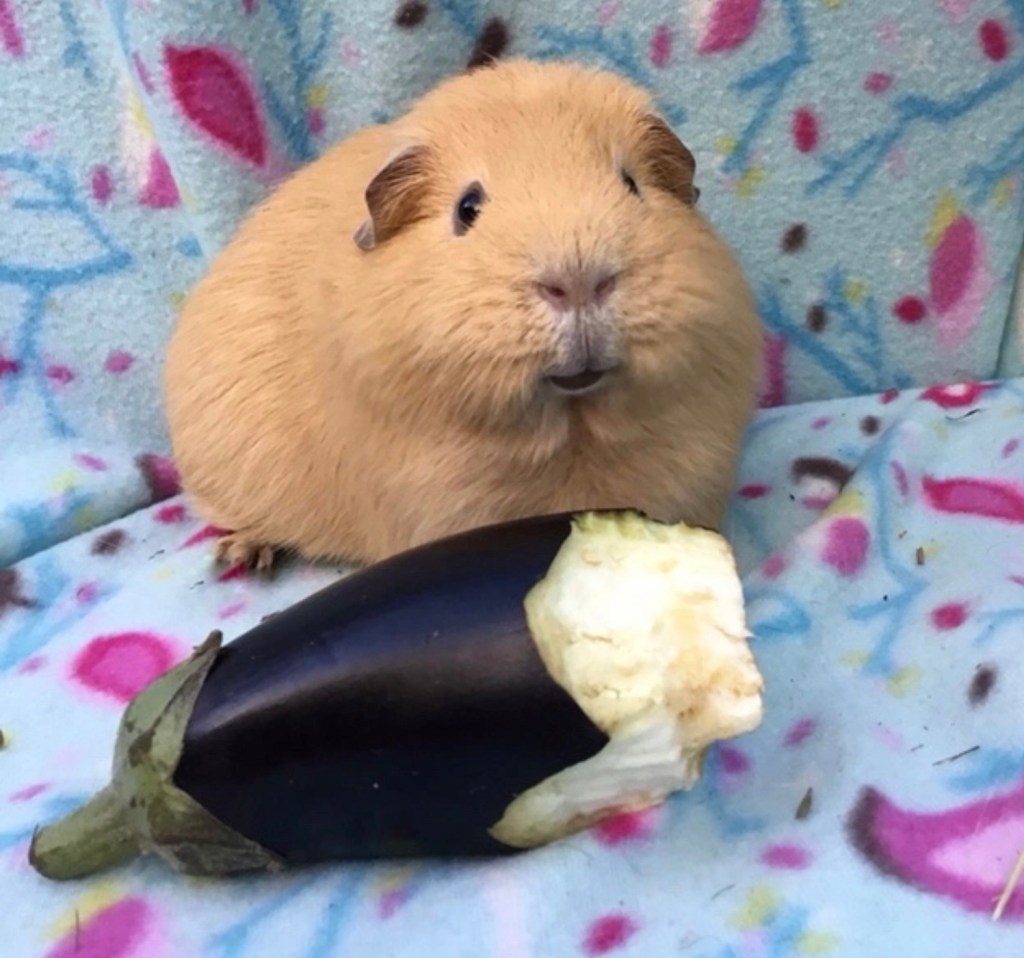
Aubergines (Eggplant) Regularity – Occasional treat
Guinea pigs can eat Aubergines. They are vegetables and they are incredibly delicious to us and your pig. Guinea Pigs love them actually.
They are an extremely low nutritional value and can pass as a junk food for Guinea Pigs.
They have a very good source of fibre in them, which helps with their digestive system and improves bowel function. They are comparatively low in Vitamins and other necessary macronutrients.
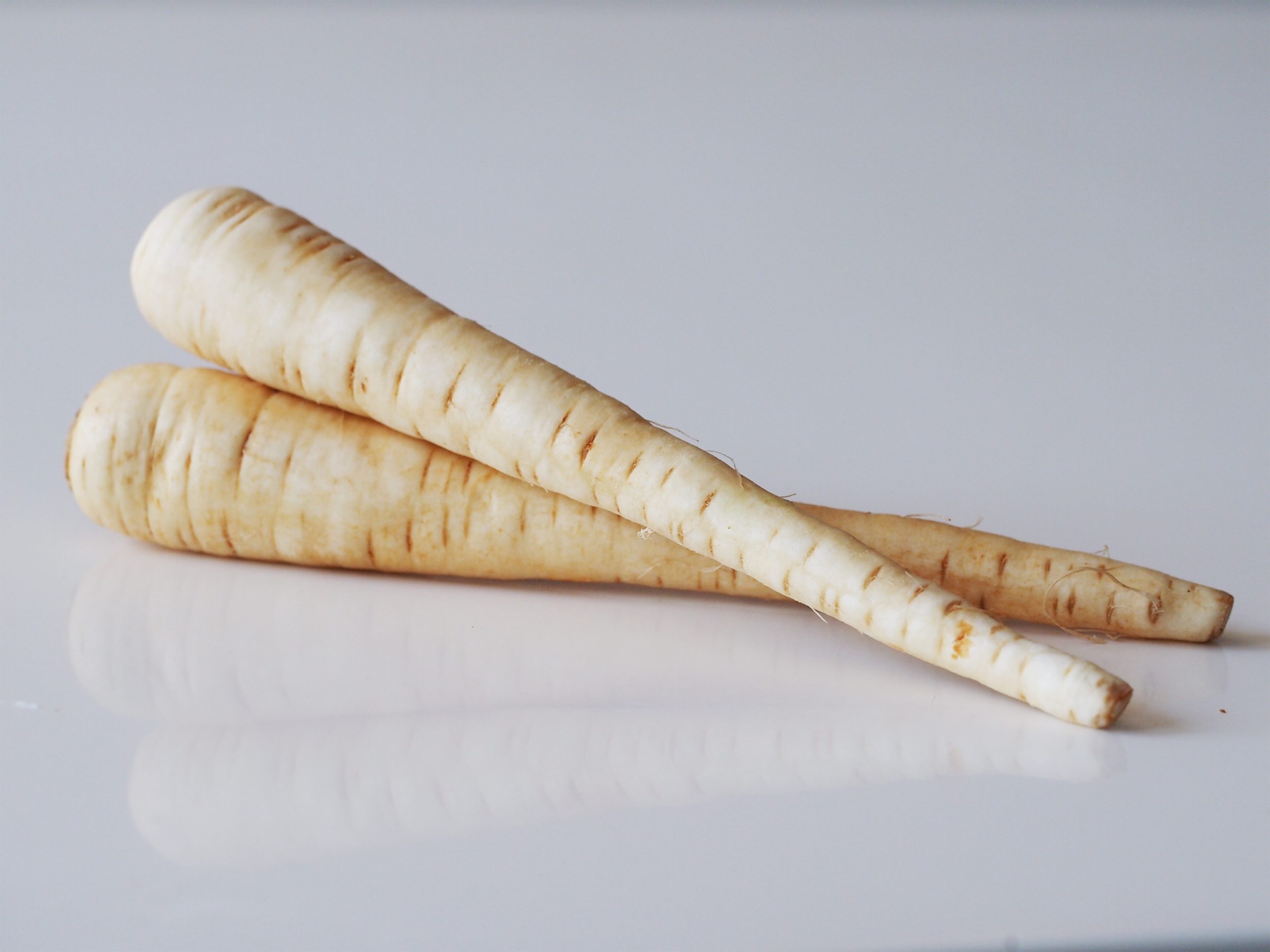
Parsnip Regularity – Few times a week
It can be fed frequently and is a delicious vegetable for your Guinea Pig.
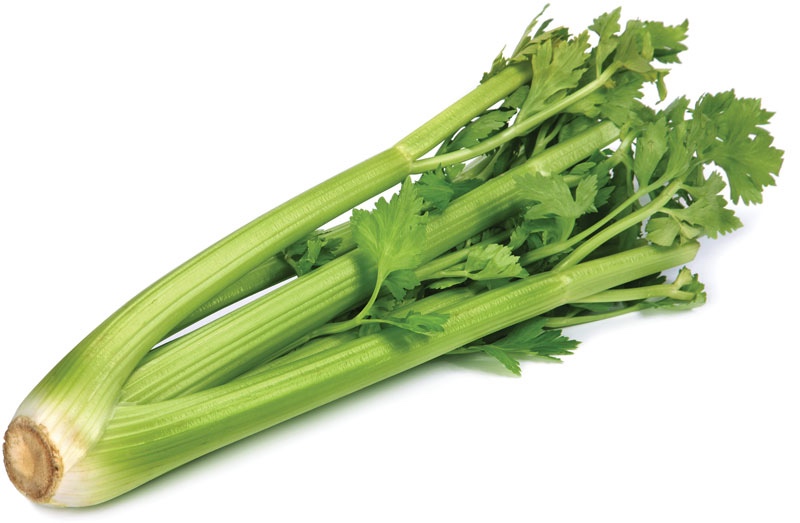
Celery Regularity – Few times a week
Guinea Pigs can eat celery and it also contains vitamin C. You should be cautious though as it’s got a stringy texture that could present a choking hazard.
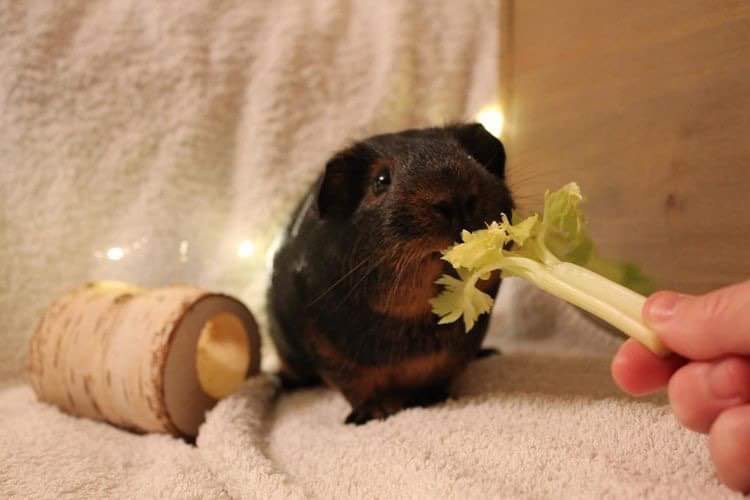
We hope you have enjoyed the first part of what Guinea Pigs can eat and we hope that this information had helped you as much as it has helped us!
 Lokiandthor18