I find myself 99.9% of my day googling foods that Guinea Pigs can eat. Even when I’m in a supermarket, I would look at something and wonder ‘is that safe for my boys’ so I have done my research and gathered all the information you might need on feeding your pigs

On this next section we will talk about which Fruit and Herbs your little furries can eat.
Fruit
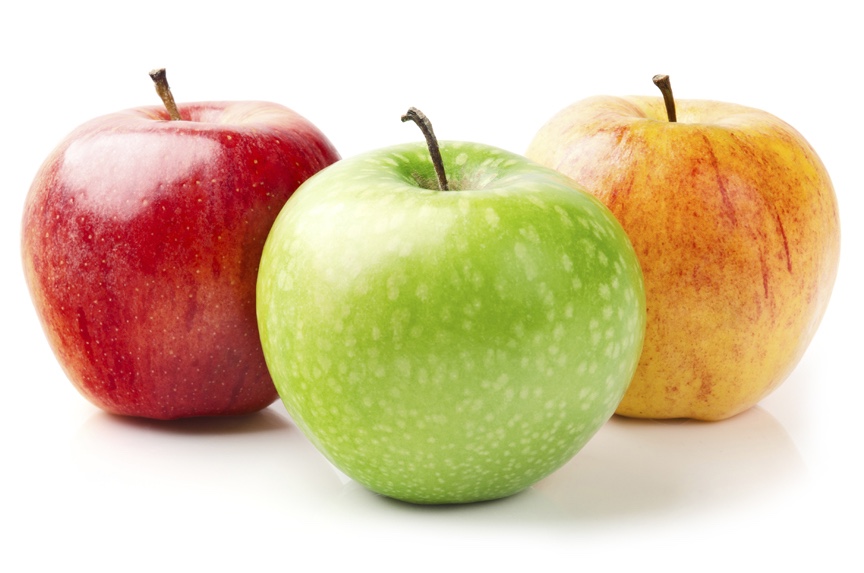
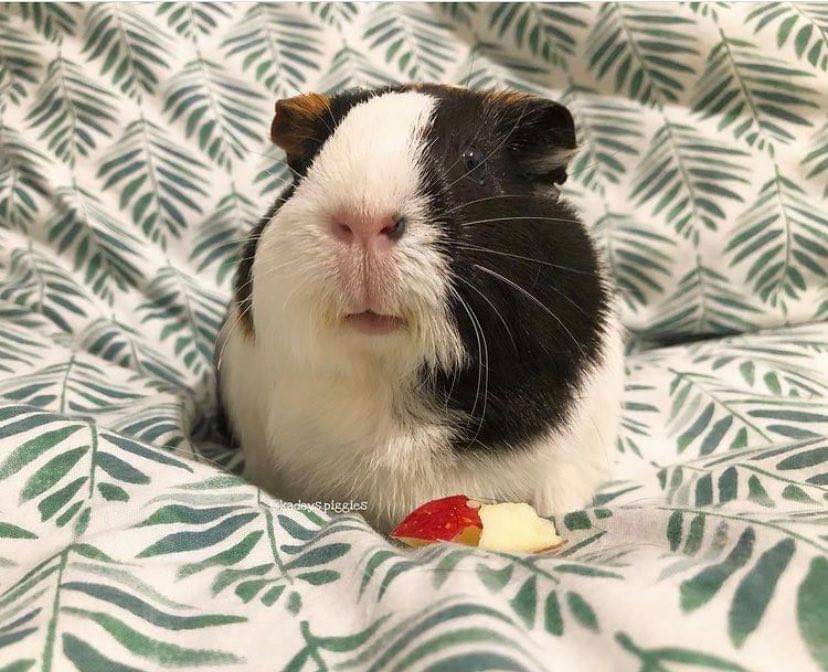
Apples Regularity – Feed occasionally
Guinea Pigs love Apples, but along with most fruits, Apples, both red and green are high in sugar and must only be given as a treat.
The core, skin and seeds are all edible for Guinea Pigs are safe for them to eat.
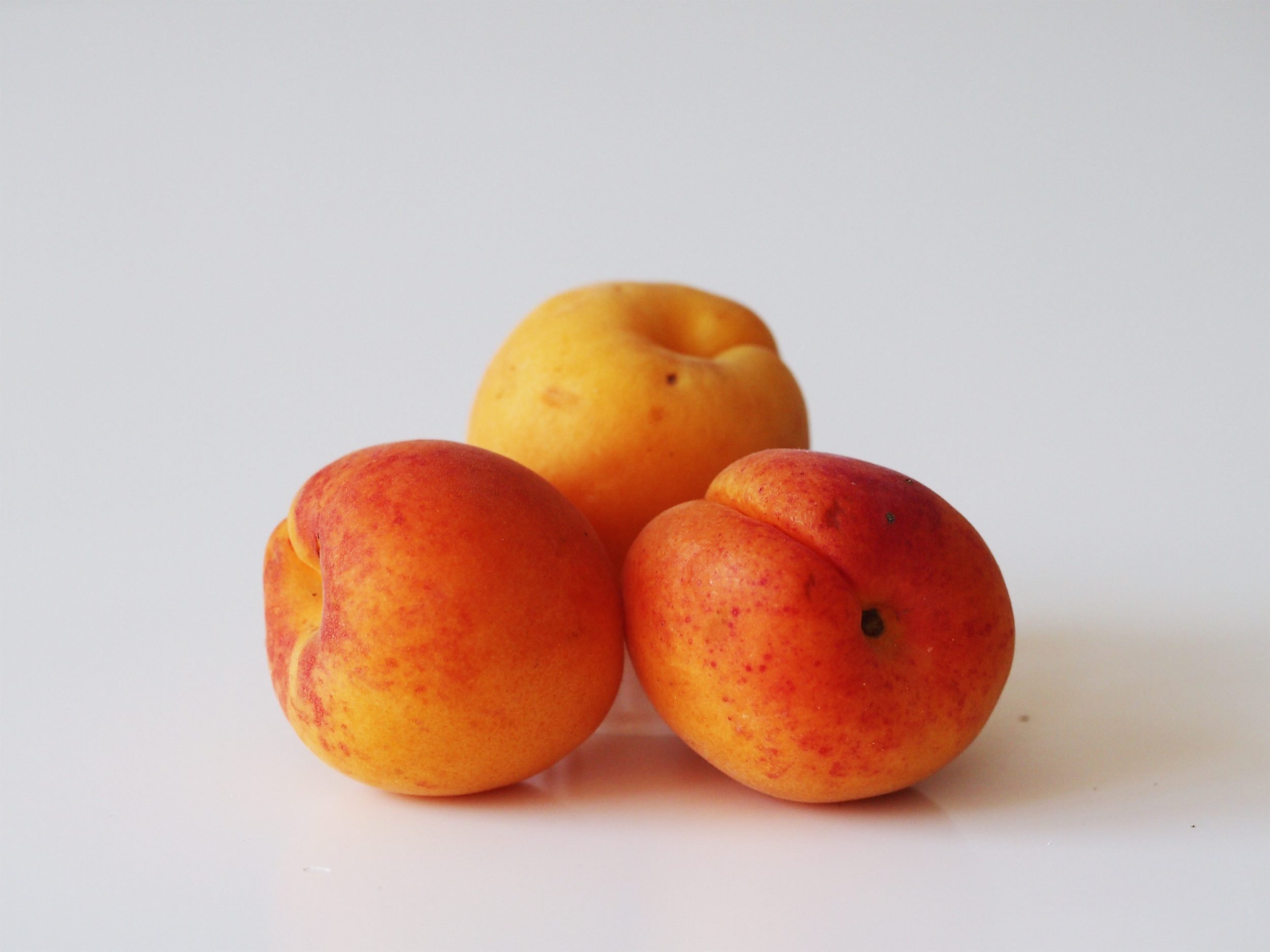
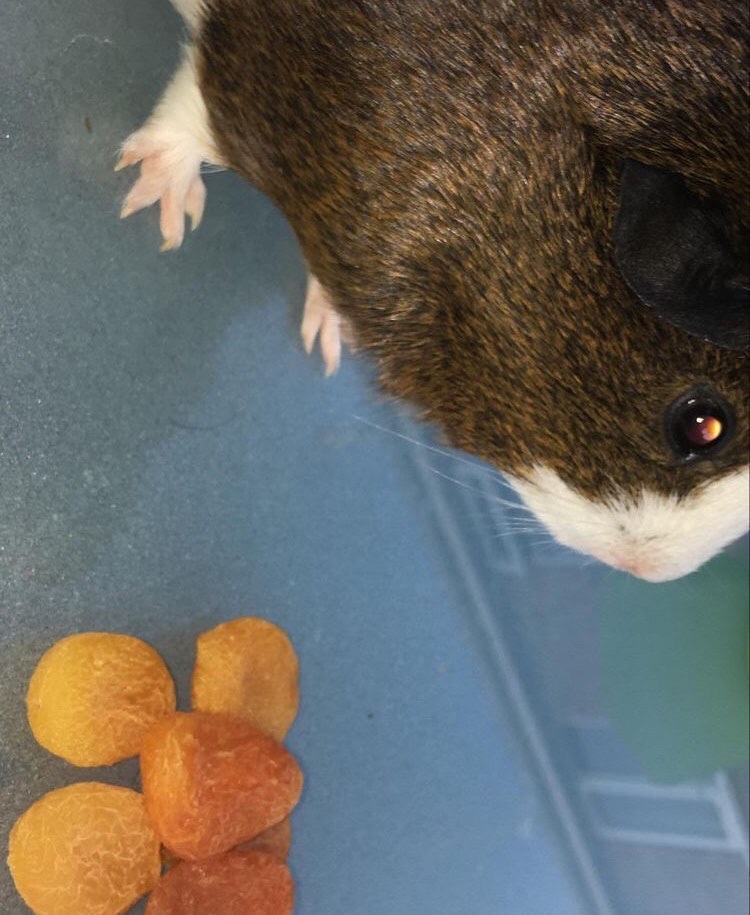
Apricots Regularity – Feed occasionally
Apricots are safe to eat and are full of nutrients, but are very sugary.
Benefits of apricots include: keeping a steady immune system, helps digestive system, helps get rid of toxins and free radicals. They also increase metabolism. Apricots have little calories and helps lower cholesterol. They help keep teeth and bones healthy, helps repair and heal damaged tissues.
There are also known allergies to Apricots in Guinea Pigs.
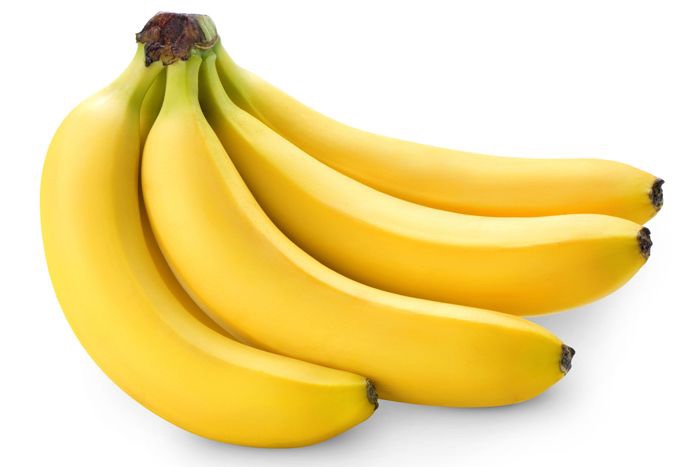
Bananas Regularity – Occasional treat.
Guinea Pigs can eat Bananas, but very small quantities and only as an occasional treat.
Bananas have 12% sugar in, so can cause obesity.
There is a debate wether Guinea Pigs can eat the skin or not, but I give mine the skin and they eat it. If you do decide to give the skin to your Pigs, make sure you wash it, because it is sprayed with pesticides that will make your pet ill if ingested.
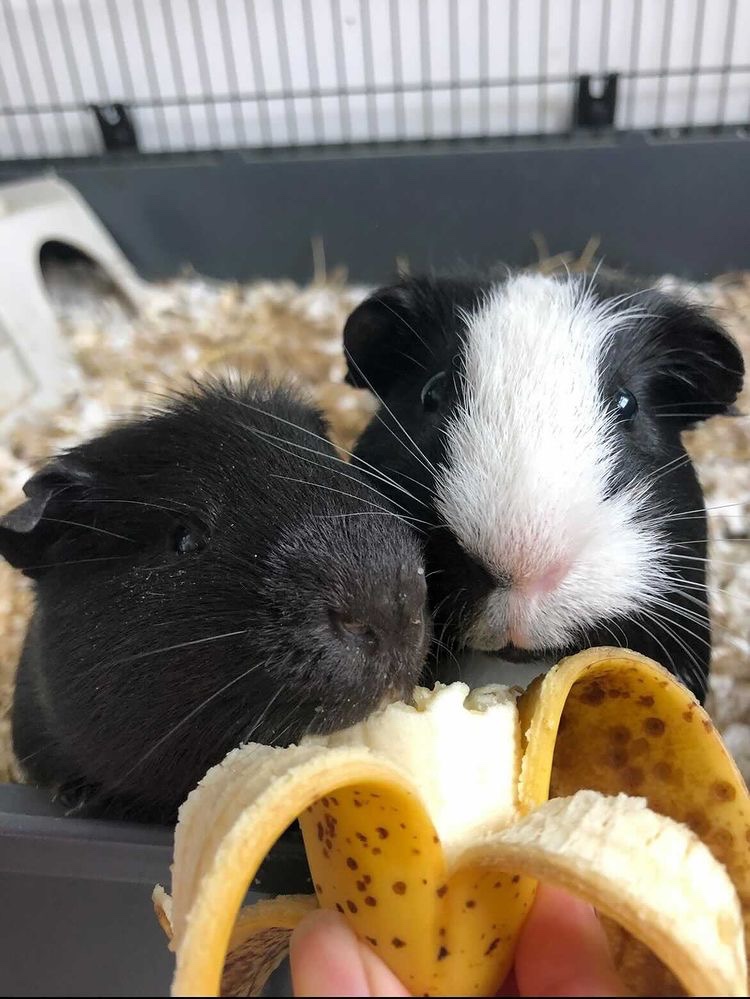
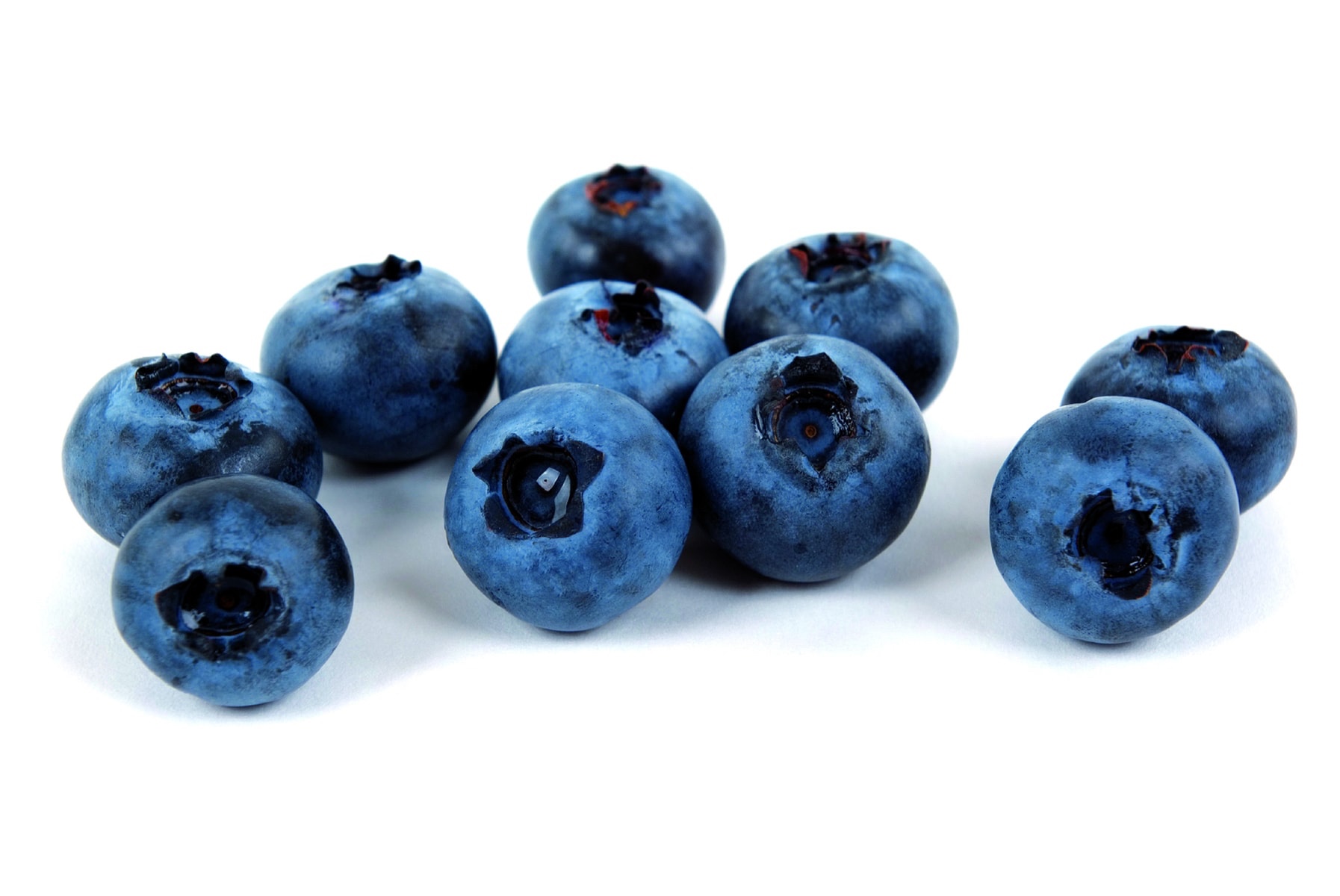
Blueberries Regularity – Occasional treat
1-2 Blueberries are enough for your Guinea Pigs, because they are high in sugar and can cause obesity and health issues.
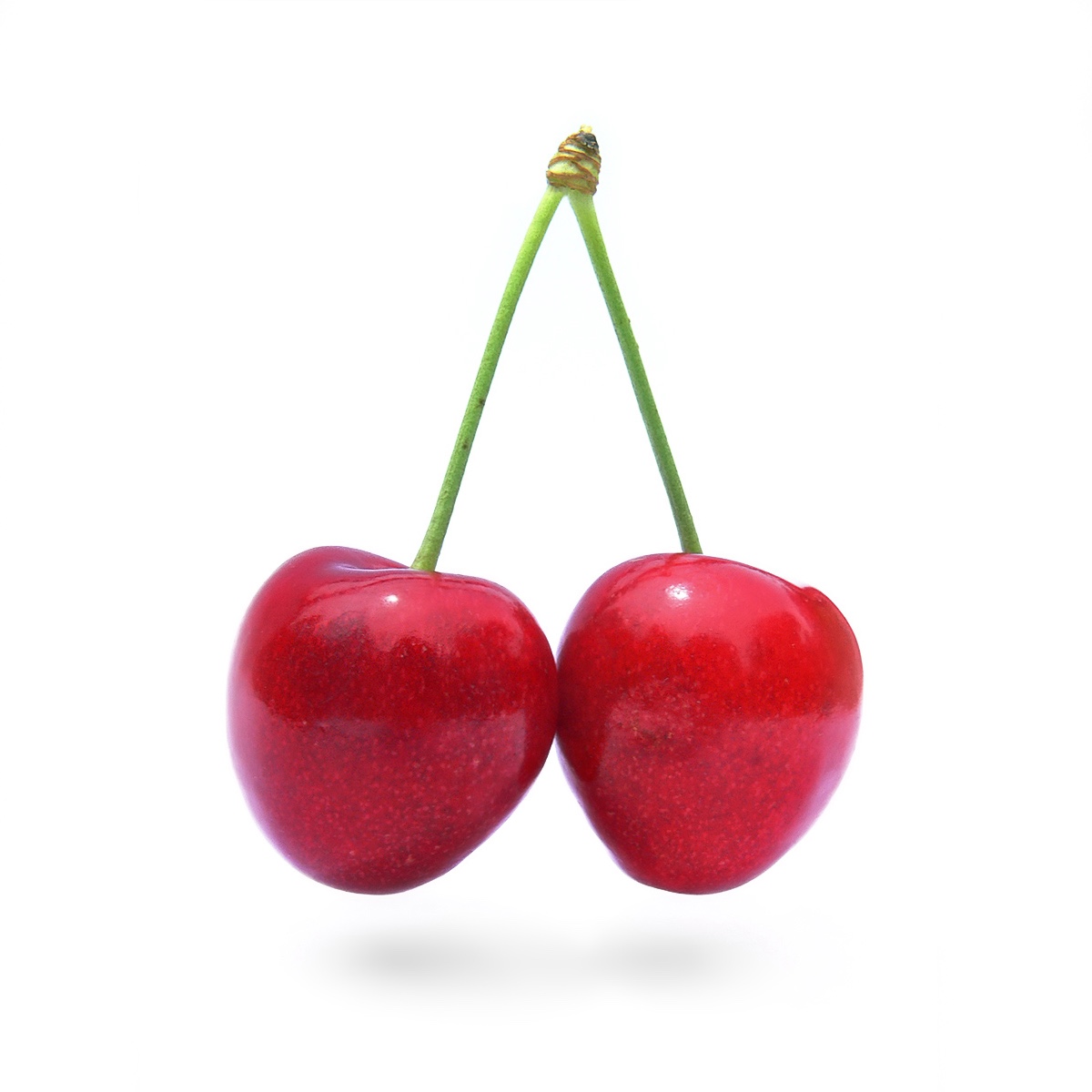
Cherries Regularity – Occasional treats
Both sweet and sour cherries are ok for your Guinea Pigs to eat. If fed to often, they can contribute in weight gain and other health issues like diabetes.
Make sure your remove the pip and stem, because they are a choking hazard.
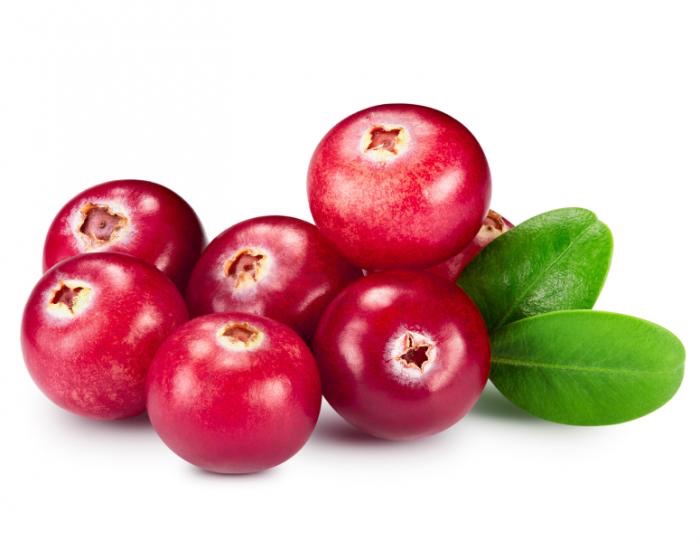
Cranberries Regularity – Occasional treat.
Cranberries can be fed to your Guinea Pigs, but I’m moderation.
They are a good source of nutrients but high in sugar, so limit the amount. 1-2 Cranberries can be fed to your Guinea Pigs at a time.
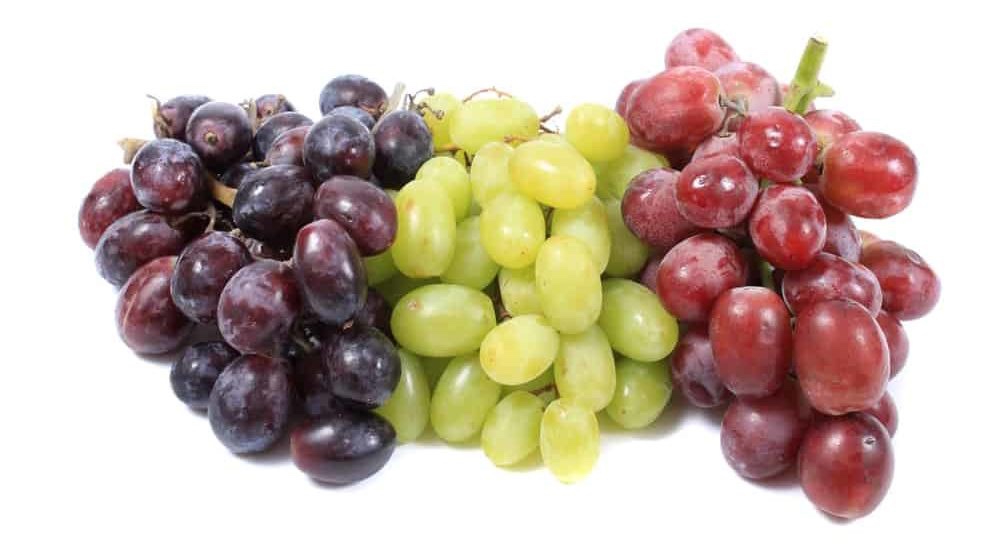
Grapes Regularity – Occasional treat
Grapes are safe for Guinea Pigs , but are high in sugar (over 15%) they can eat the skin too, but remove any seeds or just get seedless ones.
Give any Grapes a thorough rinse over to remove any chemicals or bacteria lurking and remove the vine, taking off any stalks.
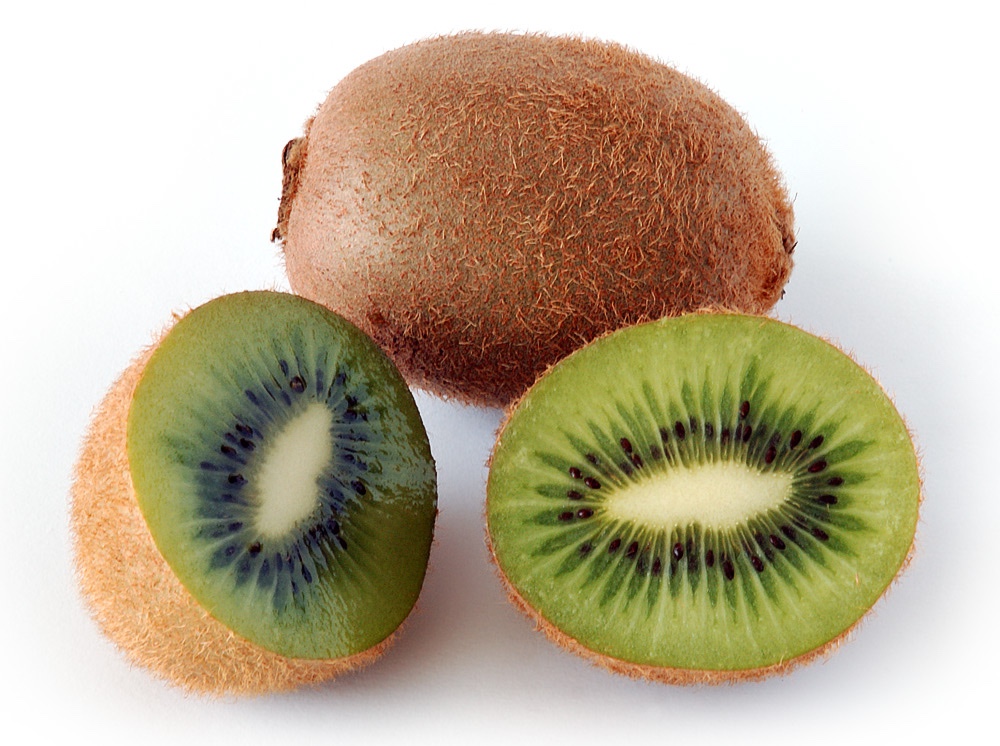
Kiwi Regularity – Occasional treat
They can eat Kiwi, but it’s the same with any other fruit, it should be fed occasionally and very small amounts, because of the sugar content.
The skin should be removed first and cut into small piece about the size of your finger.
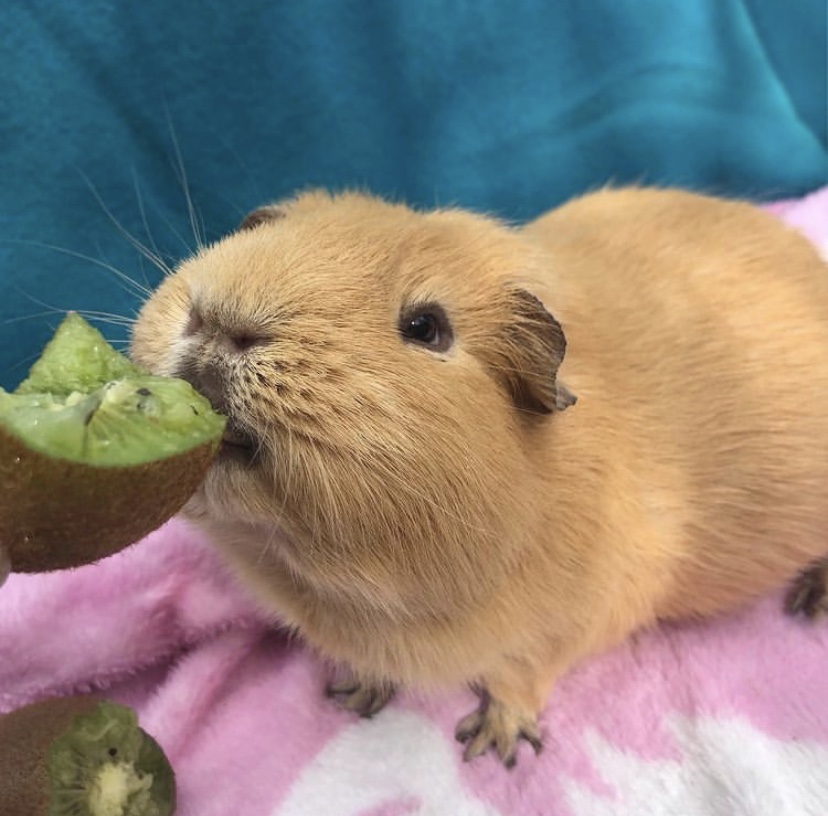
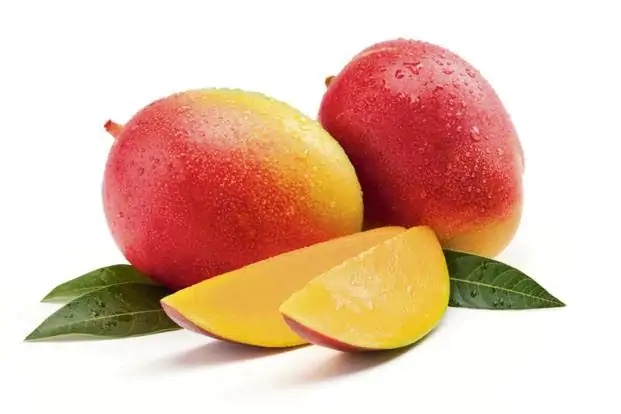
Mango Regularity – Occasional treat
Many Pigs will love this fruit, which is very high in Vitamin A and C.
No matter how crazy your Guinea Pigs are about it, they should be limited to a slice of Mango once or twice a week.
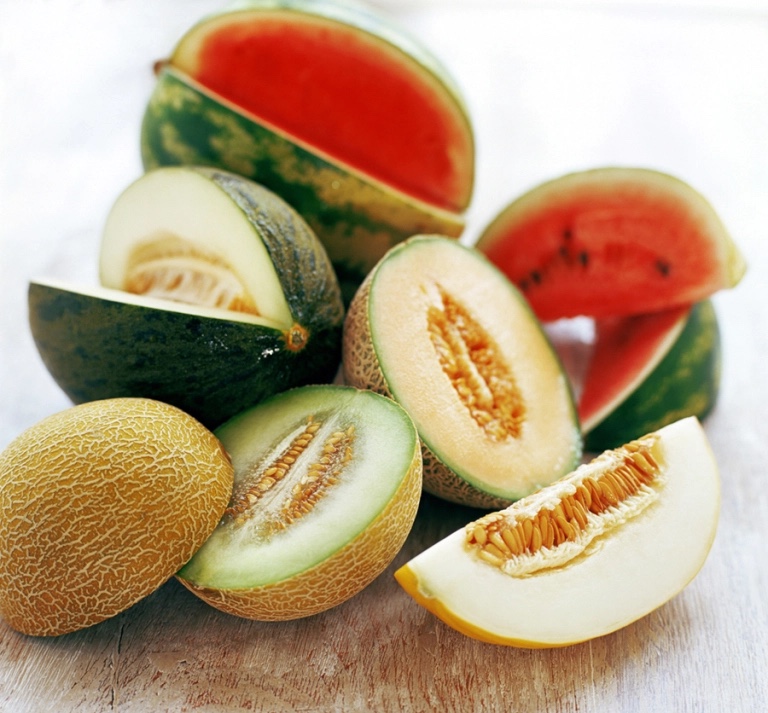
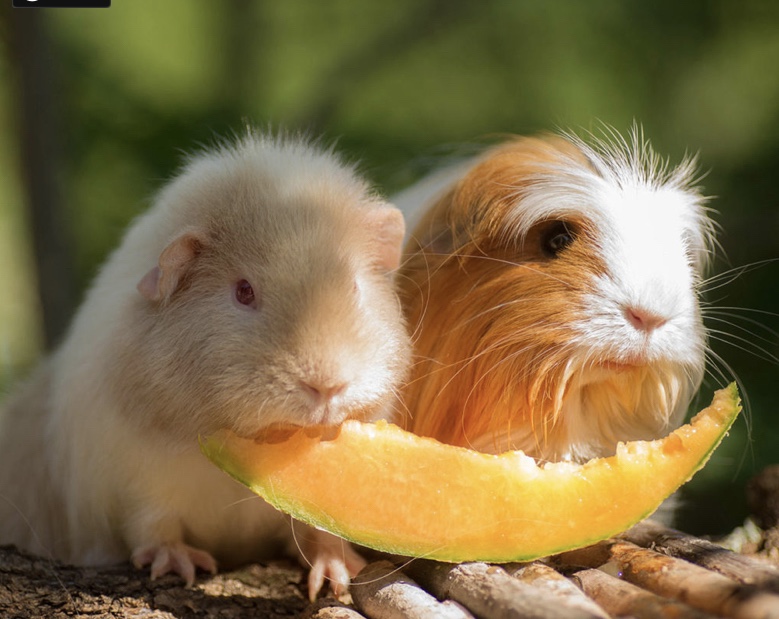
Melon Regularity – Few times a week
Melons are an amazing in both taste and health benefits.
They can also have Honeydew melon, but it’s high in Vitamin C, low in calories and contains fibre. However Honeydew contains phosphorous and calcium, which can lead to phosphate stones.
Water melon is great too, especially for hydration.
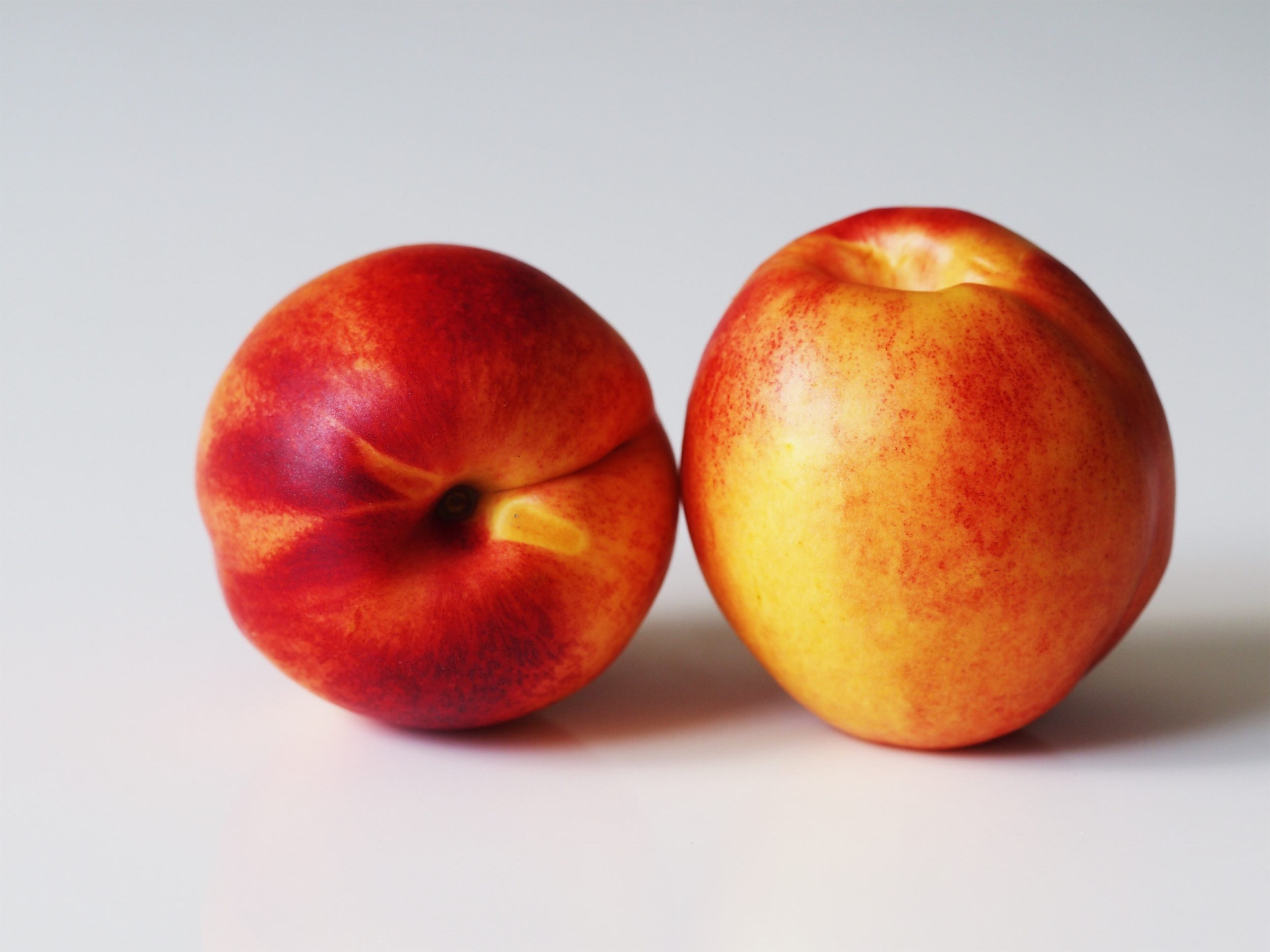
Nectarine Regularity – Feed occasionally
These are ok for your Guinea Pigs to eat, but only in moderation, as it’s high in sugar.
You must remove the pip
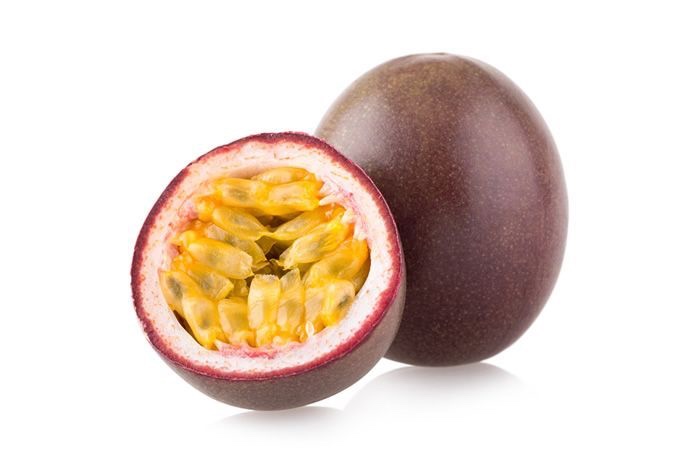
Passion Fruit Regularity – Occasional treat
Passion Fruit should be an occasional treat. You should on feed it 1-2 times a week.
These tasty fruits are high in sugar and calcium. But over feeding Calcium can lead to bladder problems.
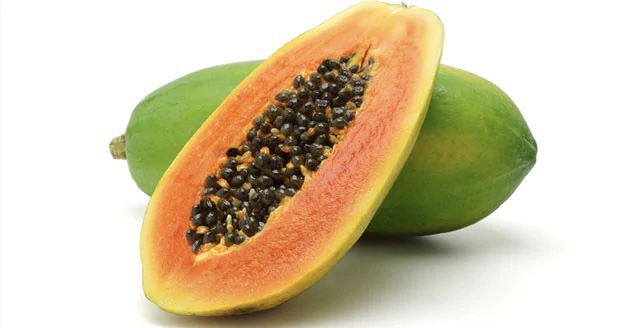
Papaya Regularity – Occasional treat
Guinea Pigs can eat Papaya, because it’s not acidic and doesn’t contain a high sugar content.
It is rich in Vitamin C, which makes it great fruit for Guinea Pigs and it a terrific addition to their diet.
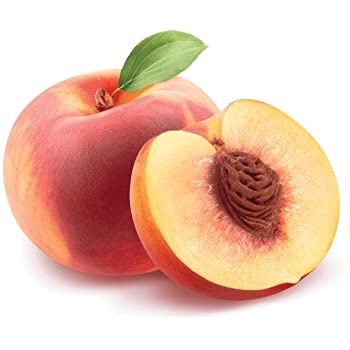
Peach Regularity – Occasional treat
Guinea Pigs can eat Peaches.
They are a great source of Vitamins and Minerals for our little furries, but over feeding might result in some diseases like mouth spurs, fungal infections etc.
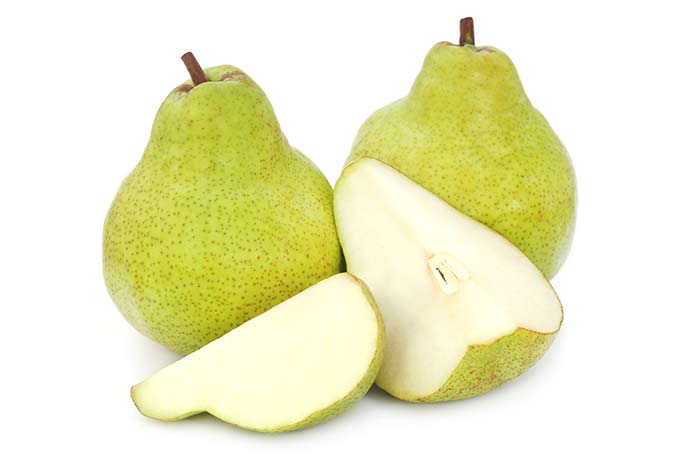
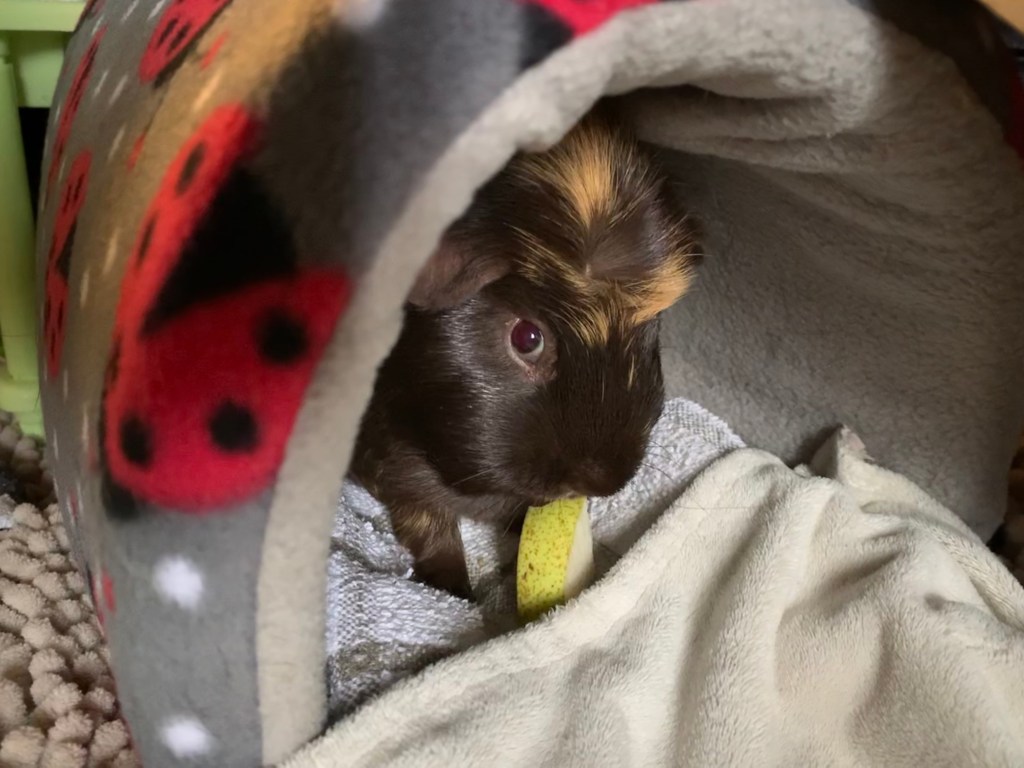
Pear Regularity – Feed occasionally
Pear have a little less Vitamin C than apples do, but they also contain less sugar too.
You can offer your Guinea Pig a slice of two per month.
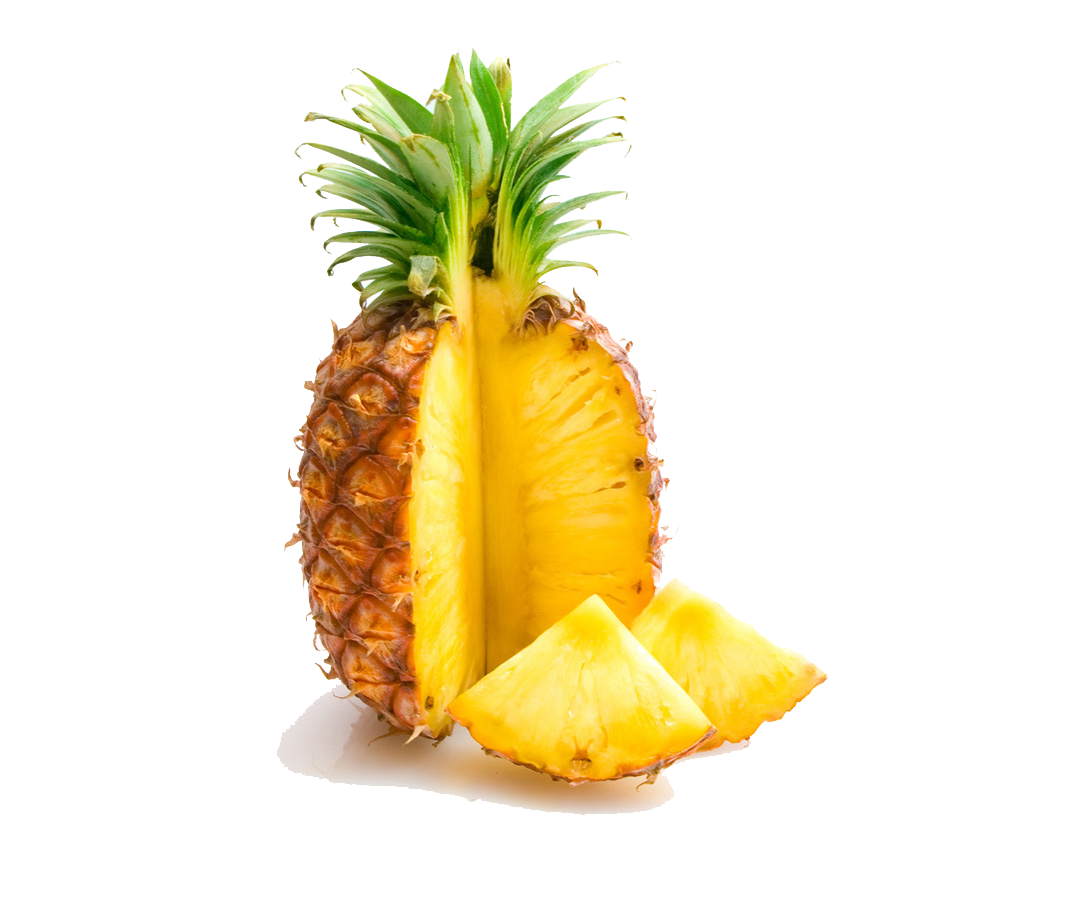
Pineapple Regularity – Feed occasionally
These are an excellent source of various Vitamin C and other nutrients needed by your Piggies.
You should only feed your Guinea Pig a small slice.
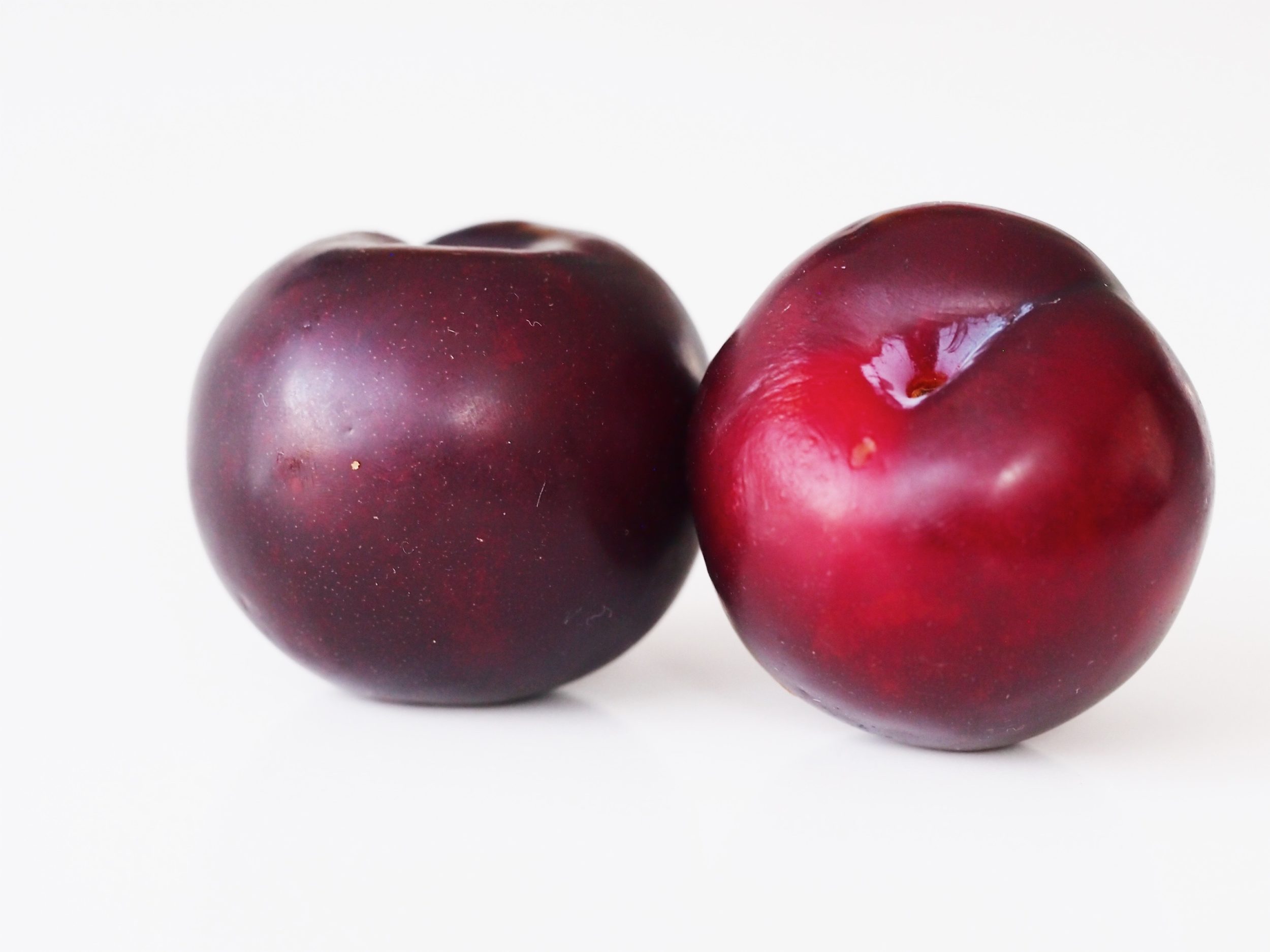
Plum Regularity – Occasional treats
Plums can be good for Guinea Pigs when fed in strict moderation.
Plums provide Vitamin C so will make it a good choice for your Pigs twice weekly.
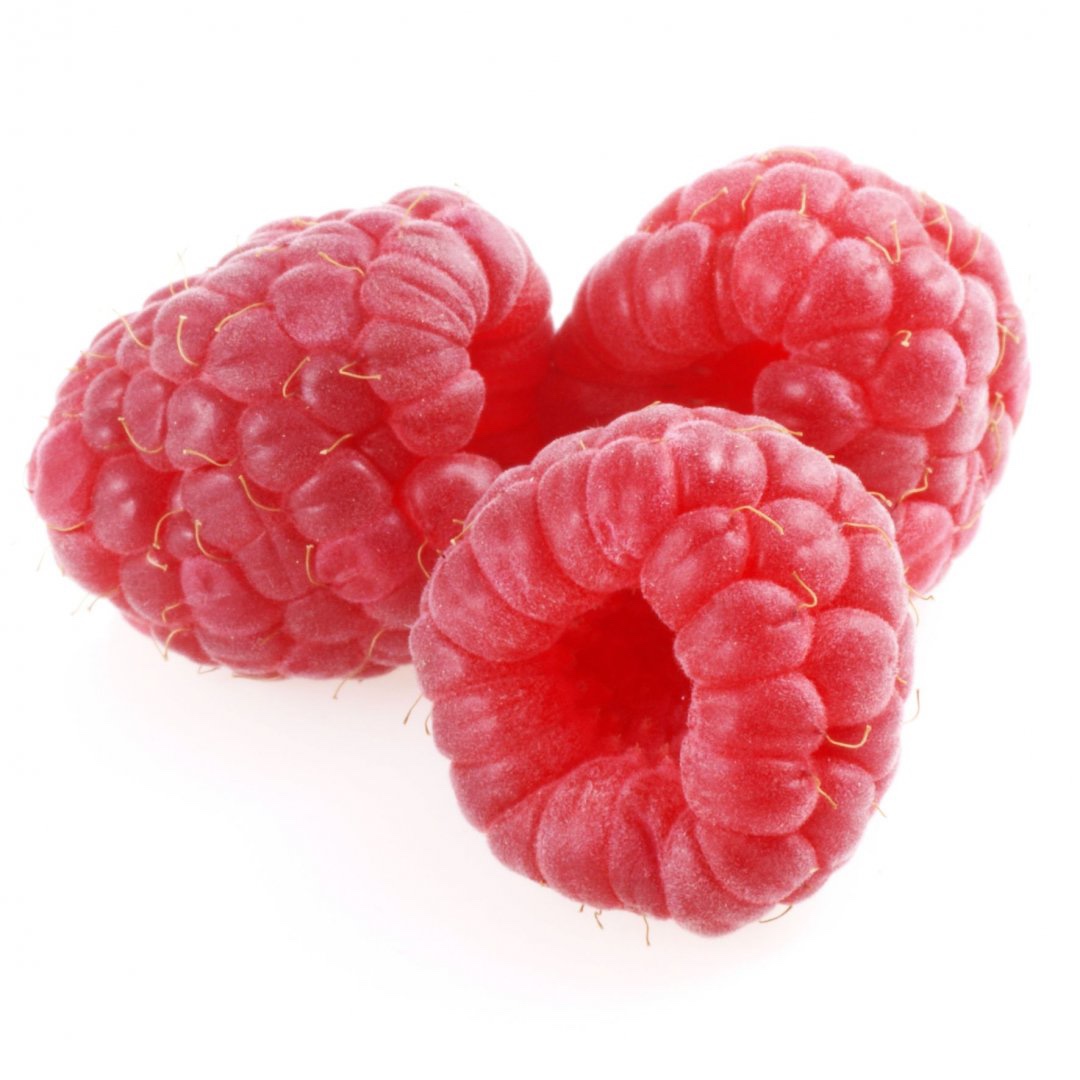
Raspberries Regularity – Occasional treats
Raspberries contain antioxidants fibre and Vitamin C, so it’s perfectly fine to give your little Cavy this delicious treat
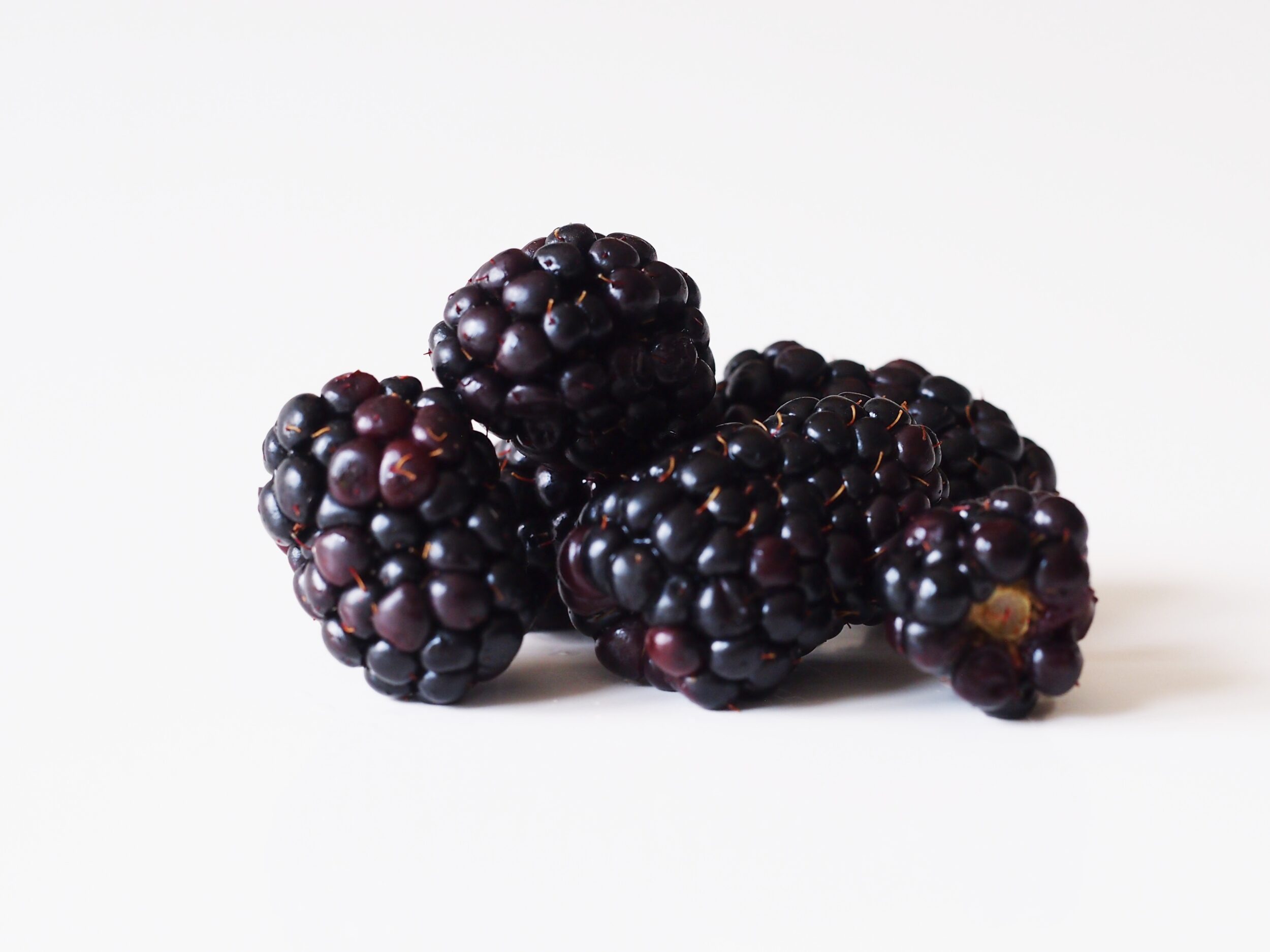
Blackberries Regularity – Occasional treat
Blackberries are an excellent fruit for your Guinea Pigs, but it has a decent amount of sugar as well. As you know, Guinea Pigs cannot digest sugar well, so this can upset their tummy.
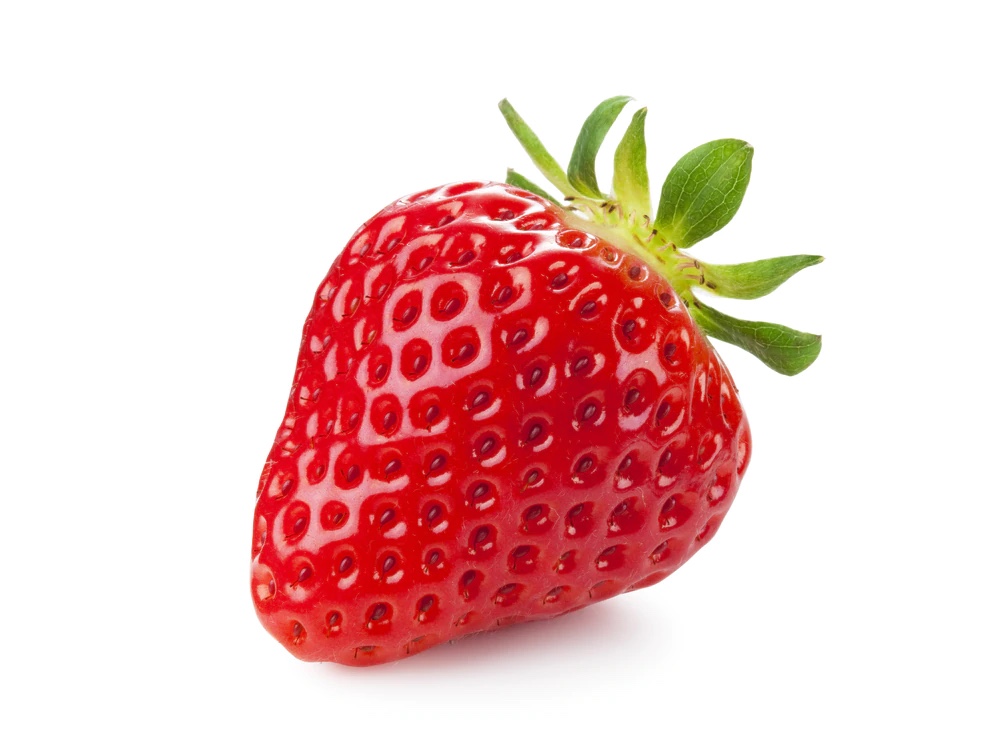
Strawberries Regularity – Occasional treat
Strawberries are high in Vitamin C but they also contain around 5% sugar so they are safe for Guinea Pigs to eat if given small amounts as an occasional treats.
Guinea Pigs also love the leaves, but these are probably better for them than the fruit itself.
Strawberries are one of the worst plants for pesticides and chemicals, so make sure you wash them thoroughly before feeding them to your Pigs.
Herbs
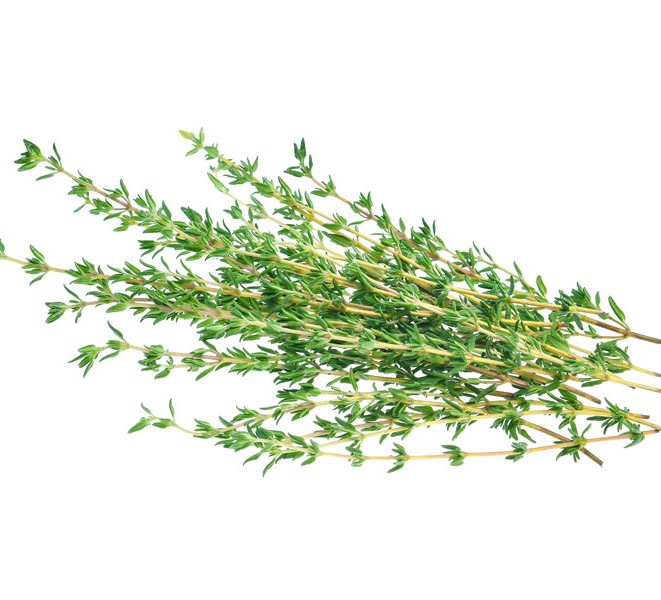
Thyme Regularity – Few times a week
Some Piggies like the taste of Thyme and it is safe to eat in small amounts.
It’s a good source of Vitamin C, but is also very rich in Calcium.
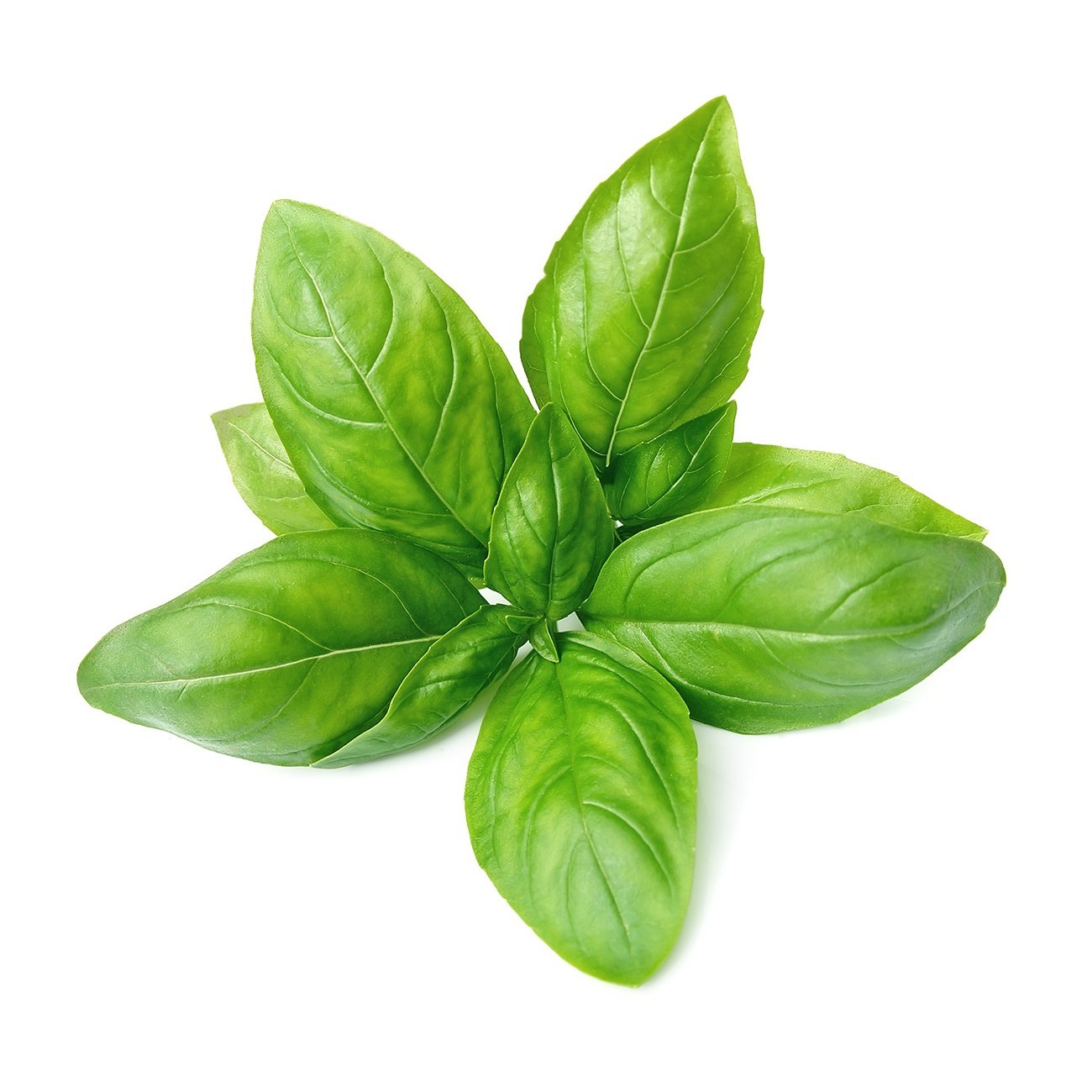
Basil Regularity – Few times a week
Guinea Pigs can eat basil. It is a favourite herb with humans and most Guinea Pigs will love it too.
It’s safe for your Guinea Pigs to eat both the leaves and the stems of the Basil plant.
It has more Vitamin C than Tomatoes, Blueberries, Apples and Grapes, but doesn’t have as much as other Herbs.
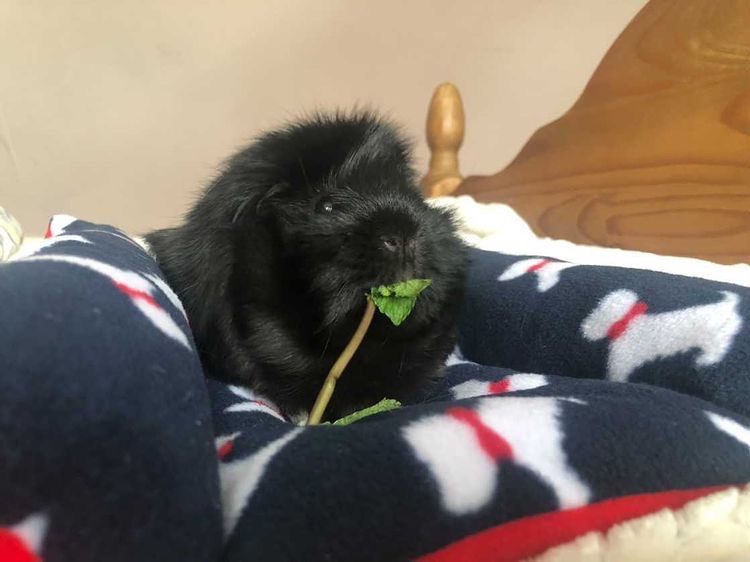
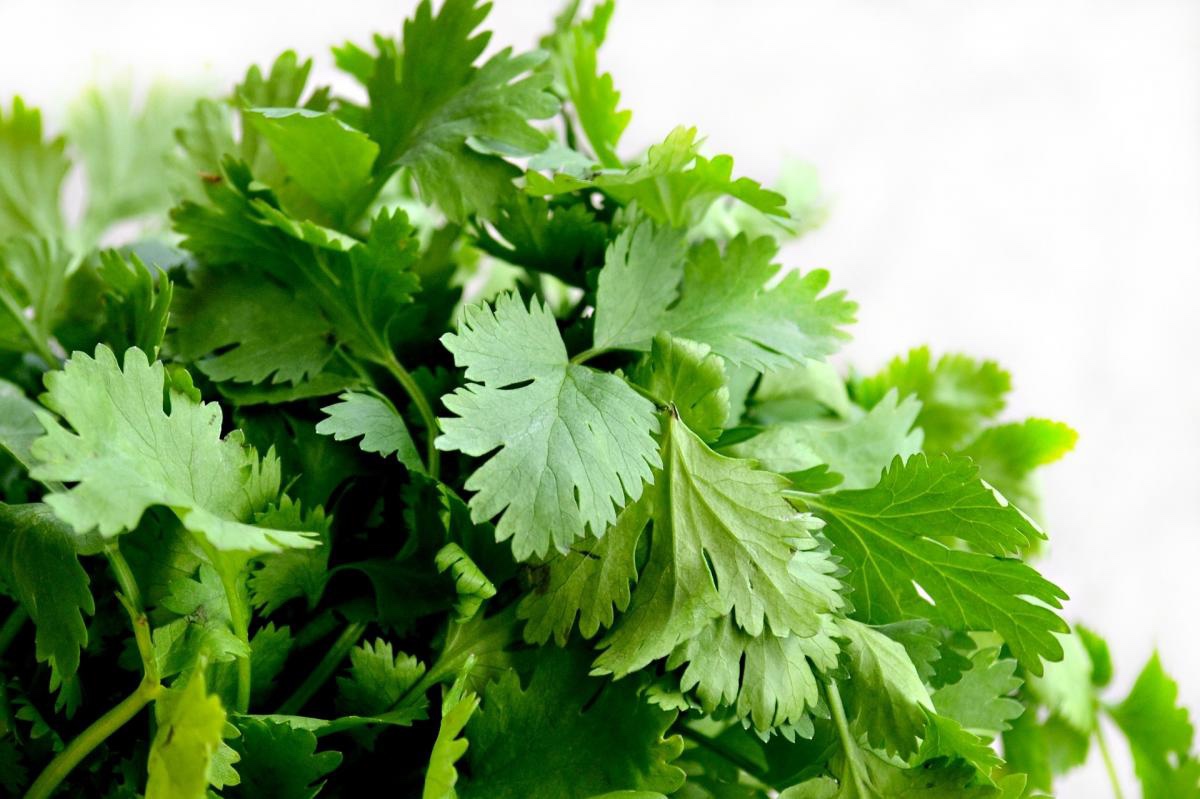
Coriander Regularity – Few times a week
Guinea Pigs can eat the leaves and the stem of the Coriander plant, so don’t feel the need to waste any of it. It’s all really good for them.
Coriander isn’t packed with huge quantities of Vitamin C that Parsley has. It does have a good amount, about double the amount you’ll find in Blueberries and roughly the same as Spinach.
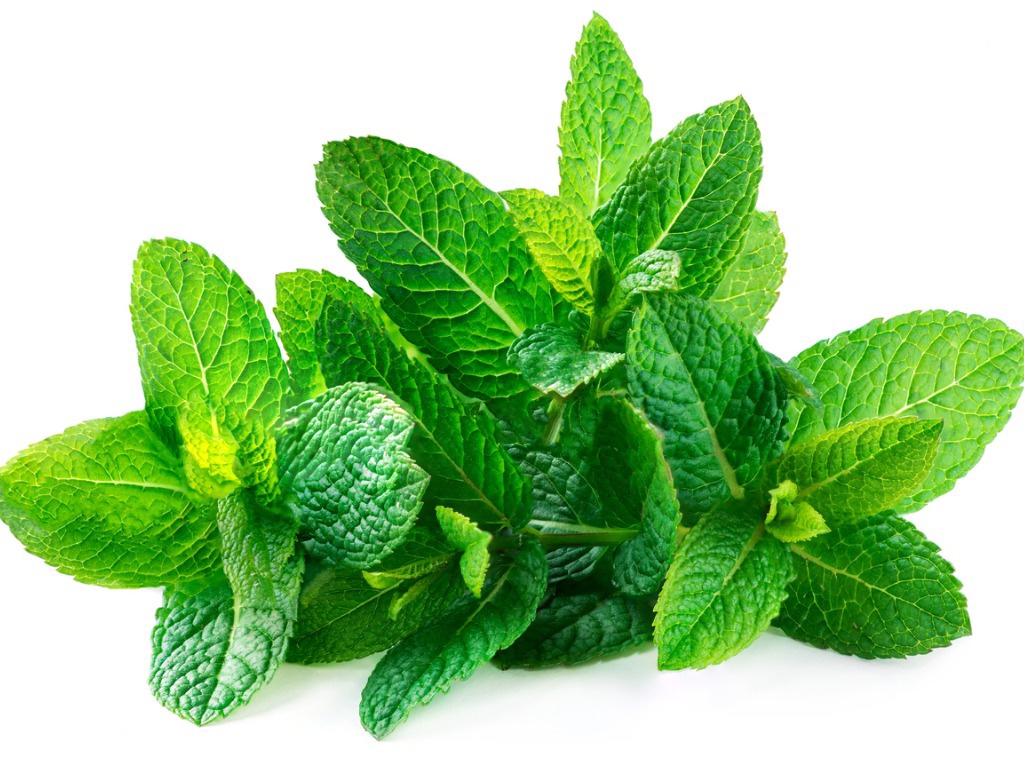
Mint Regularity – Few times a week
Mint is safe your Guinea Pig.
Mint has no where near the amount of Vitamin C in it as Parsley, Thyme and Dill. However it does contain more than Lettuce, Cucumber, Celery and Carrot.
Mint is extremely high in Calcium, so this could cause problems for your Guinea Pig if fed in high quantities.
Mint is very low in sugar, which is good, because feeding too much sugar can cause diarrhoea and other problems.
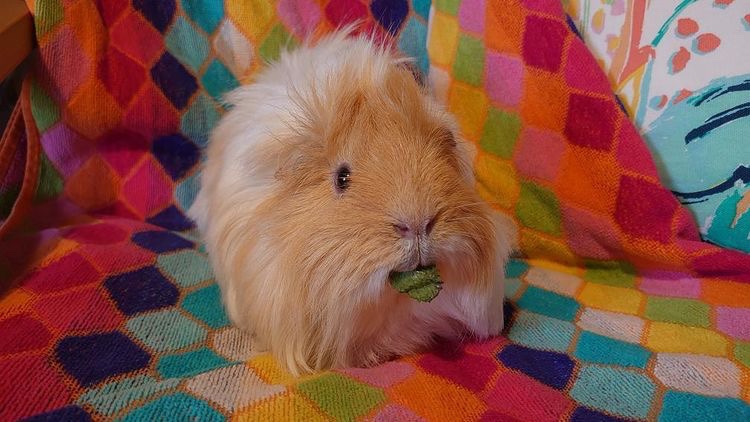
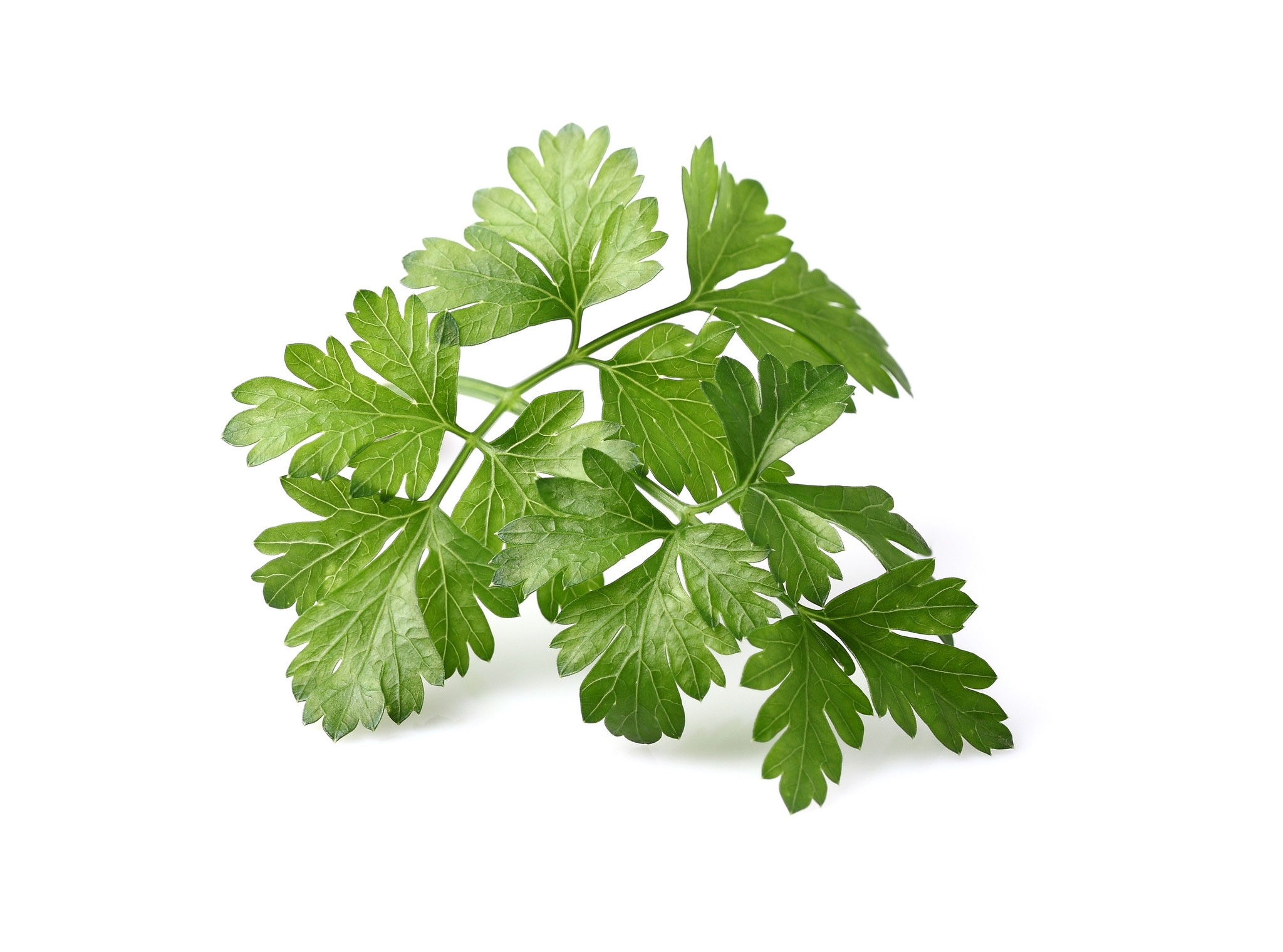
Parsley Regularity – Few times a week
Guinea Pigs can eat curly or flat varieties of Parsley. Parsley has a high amount of Vitamin C in it. It’s nearly 3 times richer in Vitamin C than an Orange.
Parsley also has a very high amount of Calcium in it and may worry some owners, because having too much can cause bladder stones.
Parsley is also another easy herb to grow. It doesn’t go as wild as mint, so you can plant it outside with ease and not worrying about waking up one morning with a garden full of it.
We hope you have enjoyed the second part of what Guinea Pigs can eat and we hope that this information had helped you as much as it has helped us!
 Lokiandthor18