I find myself 99.9% of my day googling foods that Guinea Pigs can eat. Even when I’m in a supermarket, I would look at something and wonder what is that safe for my boys! So I have done my research and gathered all the information you might need on feeding your pigs

On this section we will be talking about what Guinea Pigs can eat for Forage.
Forage for Guinea Pigs.
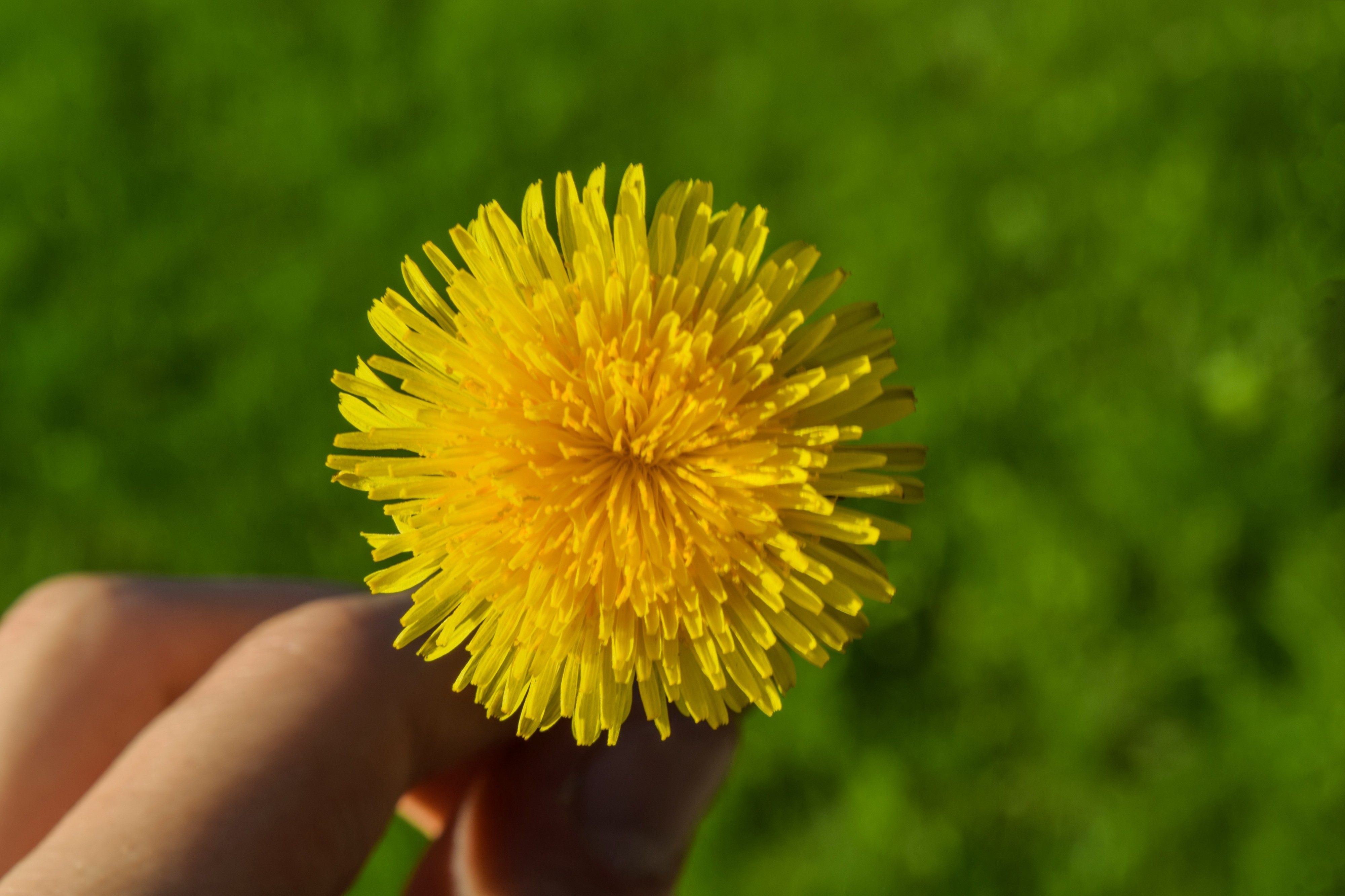
Dandelions
Guinea Pigs really enjoy these and do you know the best thing? They’re free. Guinea Pigs can eat the leaves/greens as well as the flower. Humans can eat these too, so if you ever fancy a little dinner date! Dandelions are your go to sharing food. Make sure as well as any other vegetable, you wash it thoroughly.
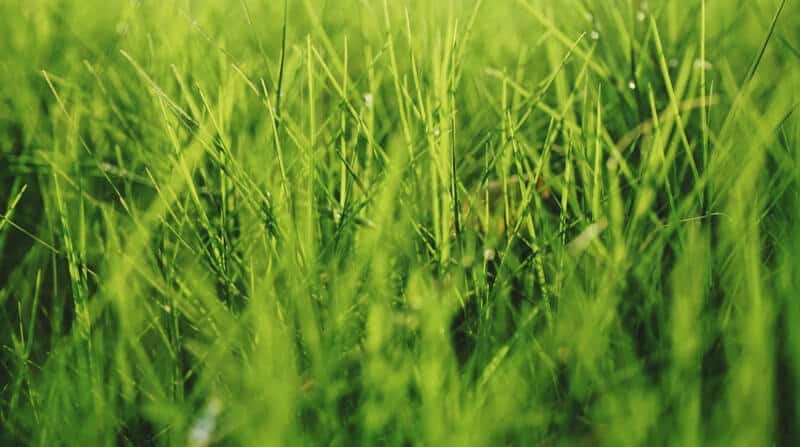
Grass
This is an obvious one but guinea pigs love fresh grass and it is readily available for most of us. Freshly picked it is packed with nutrition that is perfect for your guinea pigs. Just make sure it isn’t contaminated with any nasties or poisonous plants before picking.
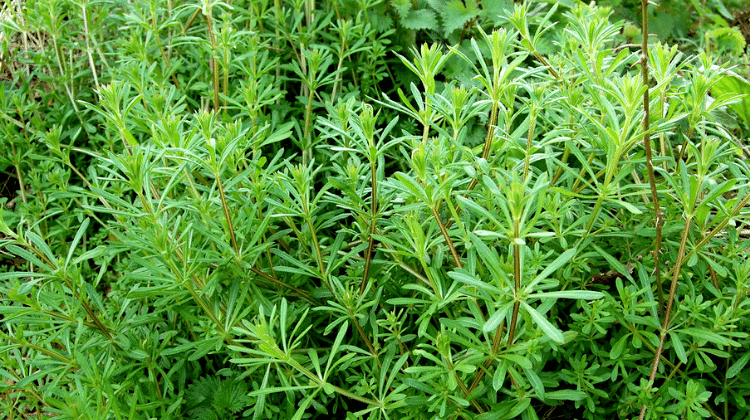
Cleavers
Cleavers are a common weed and is also known by several other names including goosegrass, sweetheart plant, sticky weed, bedstraw and sticky willy. They feel sticky to the touch and can cling to your clothing. Guinea pigs can eat the leaves but don’t feed them the seed pods
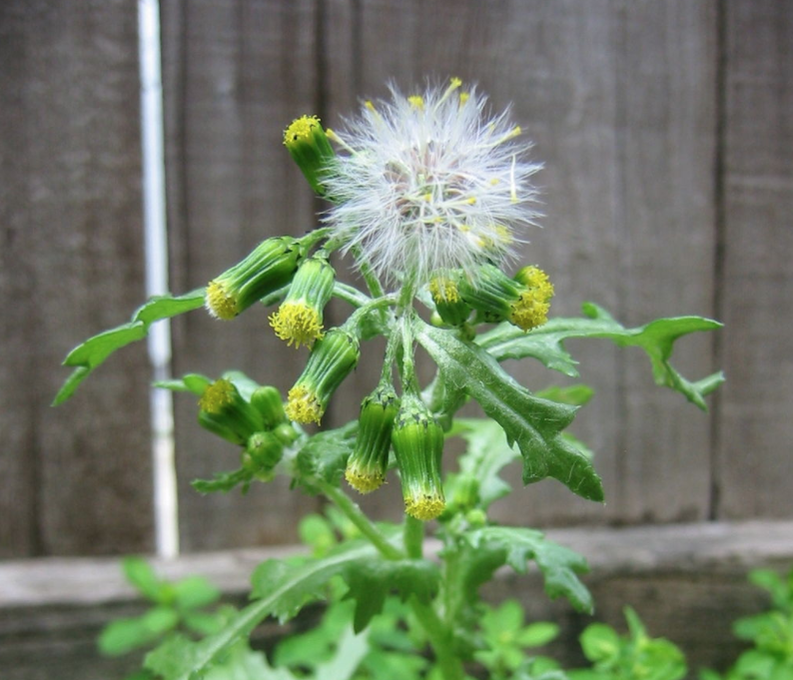
Common Groundsel
This is available all year round, groundsel is often found around the edges of fields, roadside verges, waste ground, established flowerbeds, paving and walls. Also known as “old man in the spring”, birdseed, chickenweed, grinsel or grundsel, it contains clusters of yellow flowers on branched stems which turn into a fluffy white mass as the plant goes to seed. Groundsel flowers mainly between April and October but can also flower the rest of the year too.
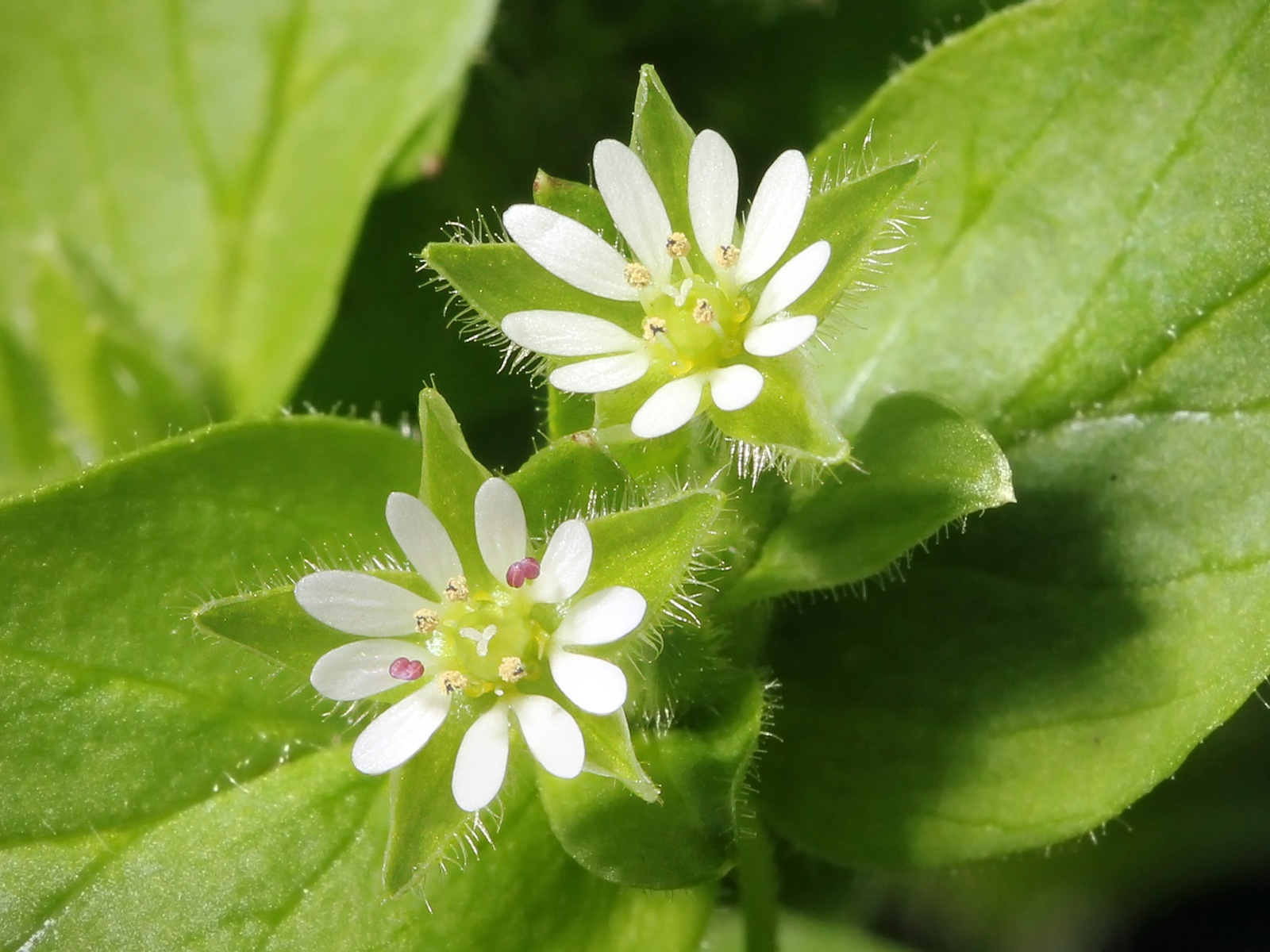
Chickweed
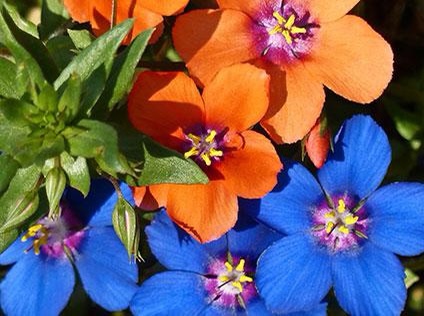
Chickweed is an excellent weed to forage for your guinea pigs as it is nutritious and said to be rich in vitamin C. Available throughout the year. Take care not to confuse chickweed with Scarlet Pimpernel which is poisonous. The difference between the two is that Chickweed stems are round whereas Scarlet Pimpernel stems are square. The flowers of a Scarlet Pimpernel are usually a bright salmon colour but can also be red, blue or white.
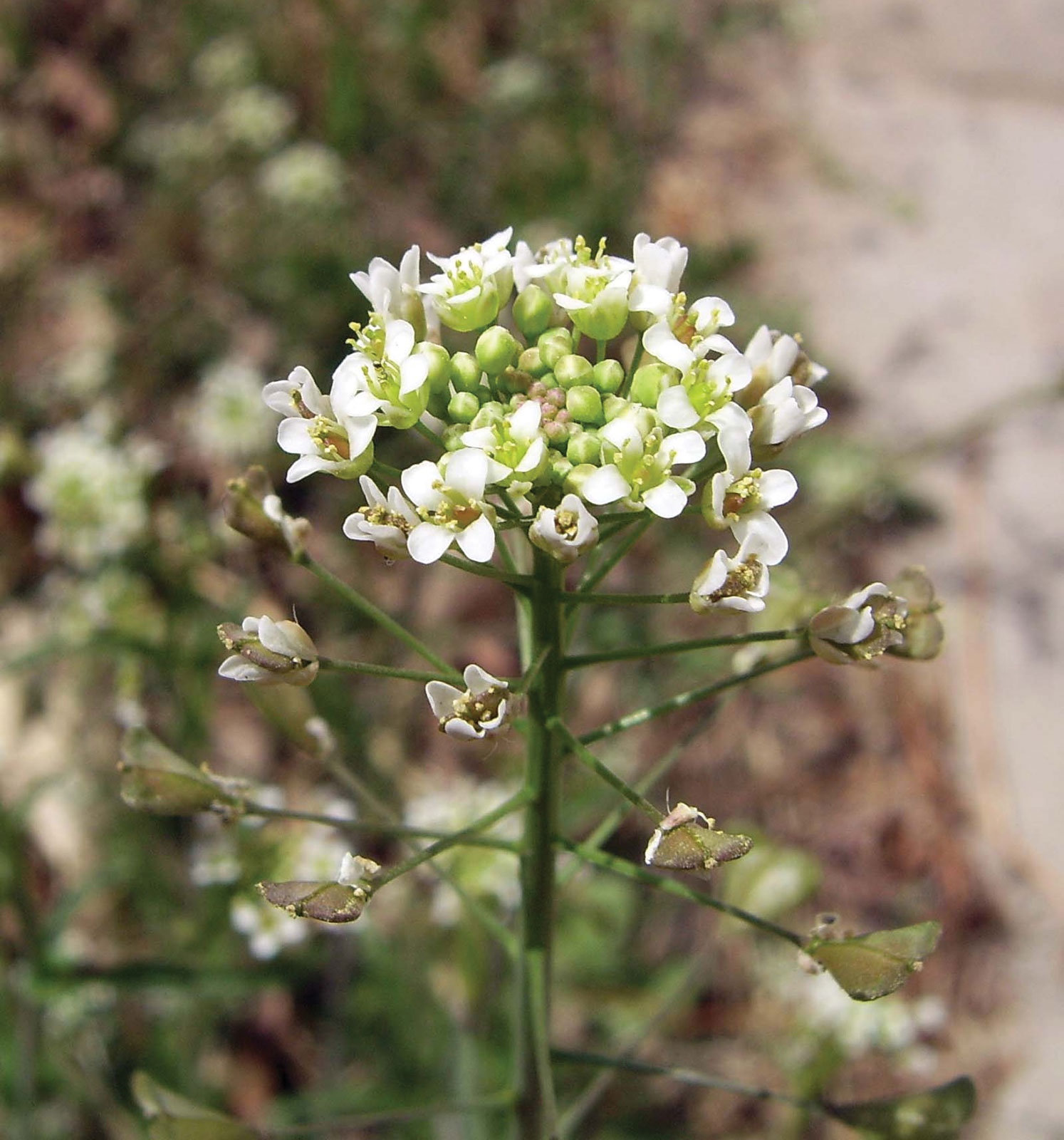
Shepherds Purse
Shepherds purse can be found in grassy places throughout the year and the flowers emerge in spring. This has a good calcium:phosphorous ratio so is a good forage for guinea pigs and particularly helpful if your guinea pig has diarrhoea.
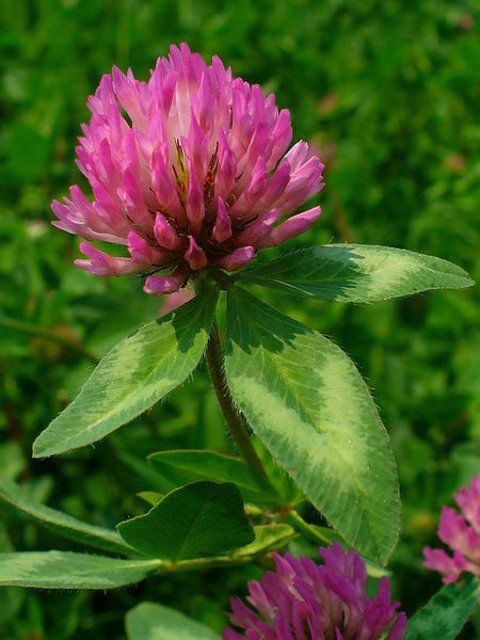
Red Clover
Guinea pigs can enjoy both the flower and the leaves of the red clover. To identify red clover, you’ll see that, like other clovers is made up of 3 leaves each with a distinctive white v-shape. The flowers are a deep pinky purple colour and although it may look like one flower each tube (which looks like a petal) is a single flower. Red clover flowers may be seen from late spring all the way into late October and both the leaves and flowers can be eaten by guinea pigs.
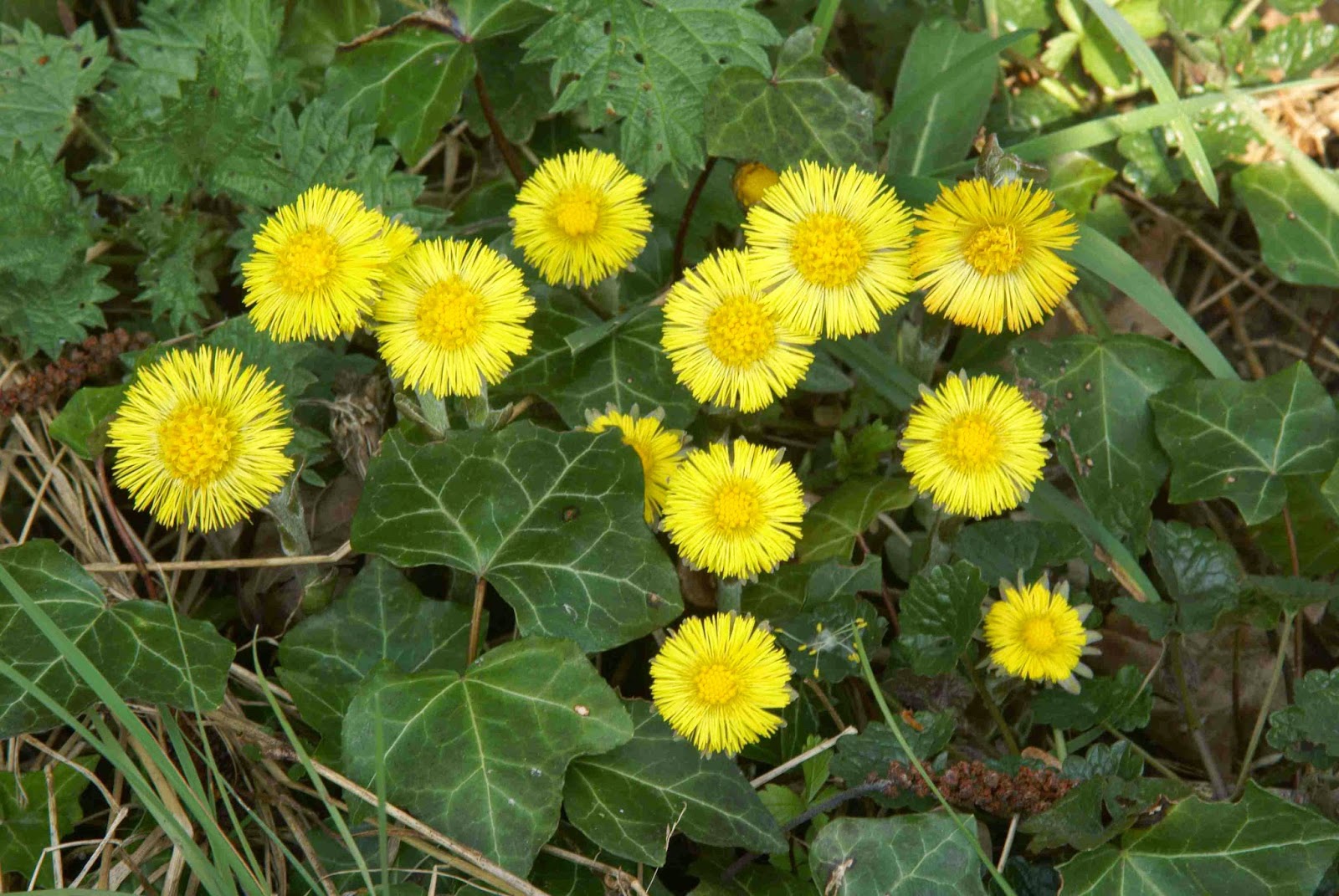
Coltsfoot
Coltsfoot has bright yellow dandelion-type flowers except the flowers on this plant have a circle of petals in the centre too. Unlike dandelion stems, the stems of the coltsfoot are scaly and a bit woolly. The flowers can emerge at any time from February and will appear before the leaves but you should only feed the leaves to your guinea pigs.
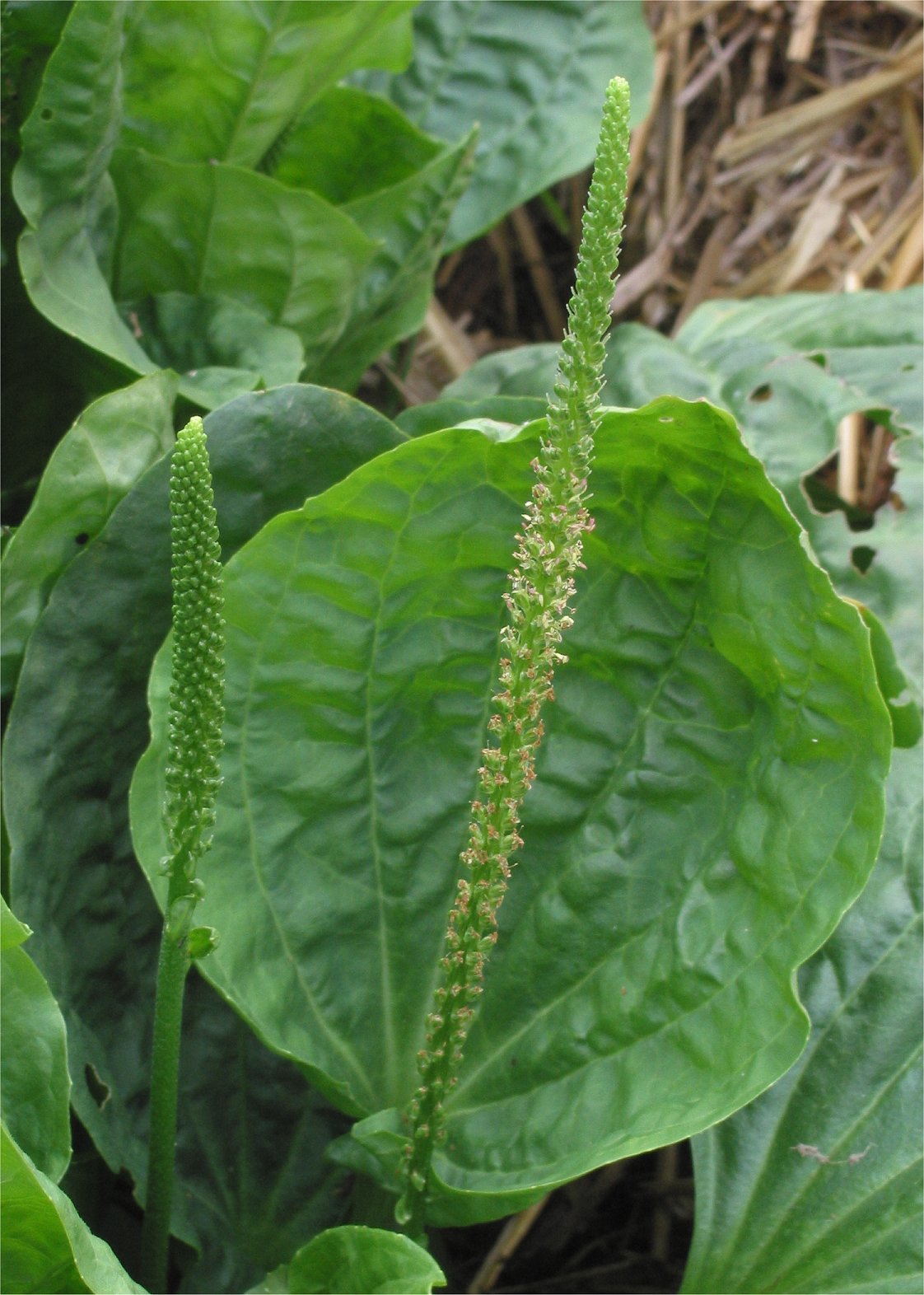
Broad Leaf Plantain
This common plant can be found in many places where there is soil including fields, lawns, parks, and waste grounds. As suggested, the leaves are broad and egg shaped growing in a rosette formation but without any real stem. The leaves may have very small fine white hairs. If you look at the leaf you’ll see the distinctive lines that run from the leaf base to the top and on the reverse of the leaf these lines will be even more defined. Tiny green or yellow/white flowers grow on a tall stem and can have thousands of seeds.
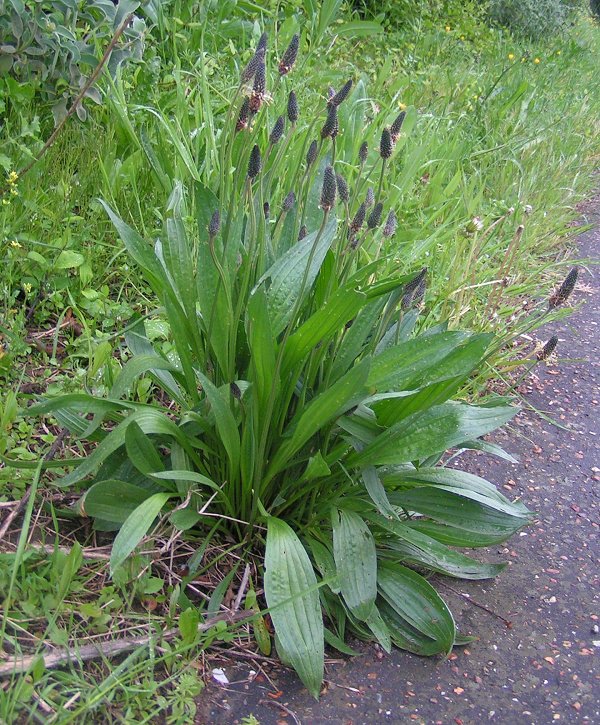
Narrow Leaf Plantain
Narrow leaf plantains are very similar to the broad leafed variety but their leaves are narrower and appear as long oval shapes. The edges of the leaves are smooth and the surface of the leaf may have fuzzy hairs on top side but be smooth on the underneath. Sometimes you will see a reddish purple tinge on the inner lower stem of the leaf which fades as you move up the leaf
All the wild plants and weeds listed below are all forages for your Guinea Pigs
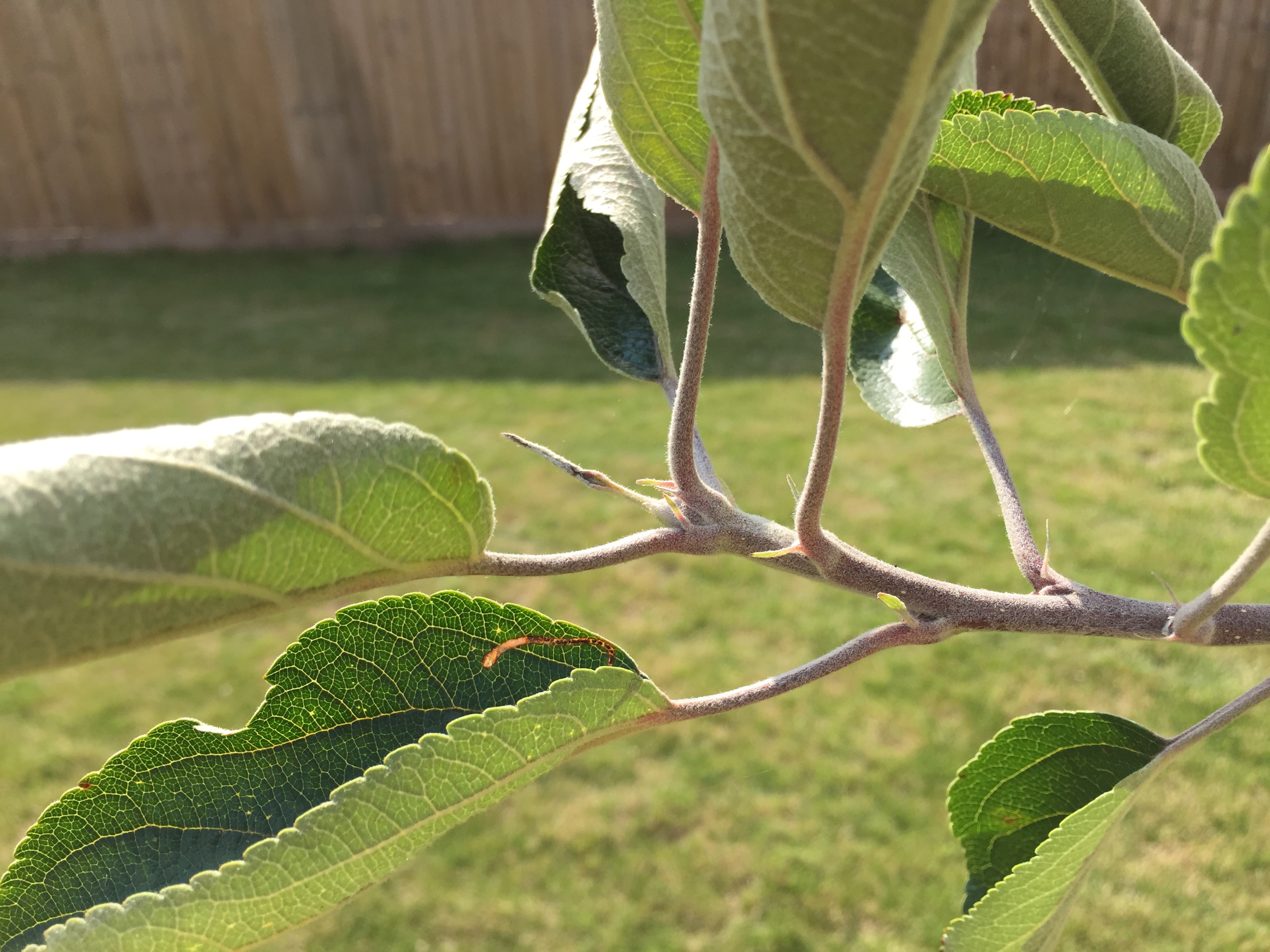
Apple Leaves and Twigs
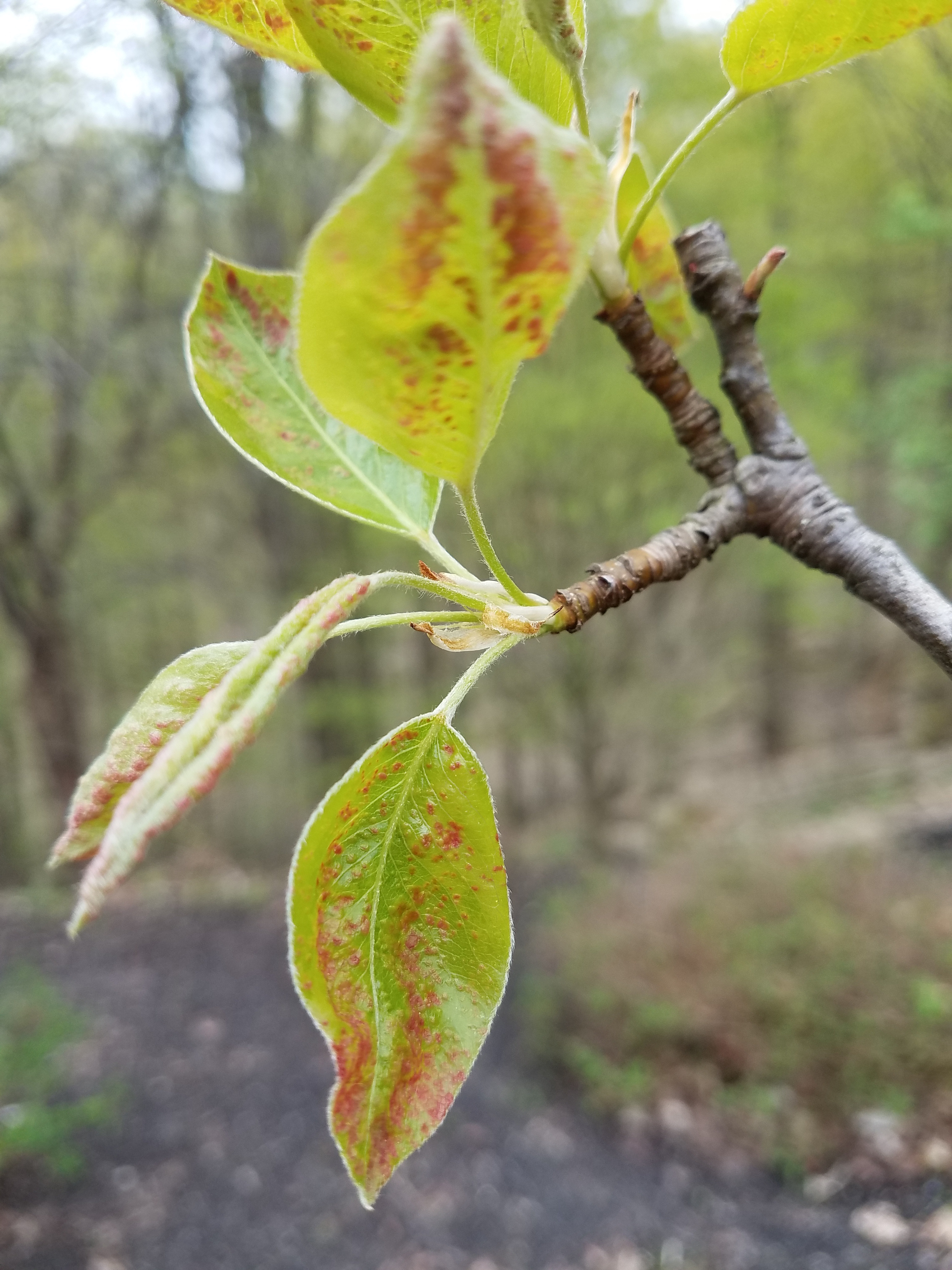
Pear Leaves and Twigs
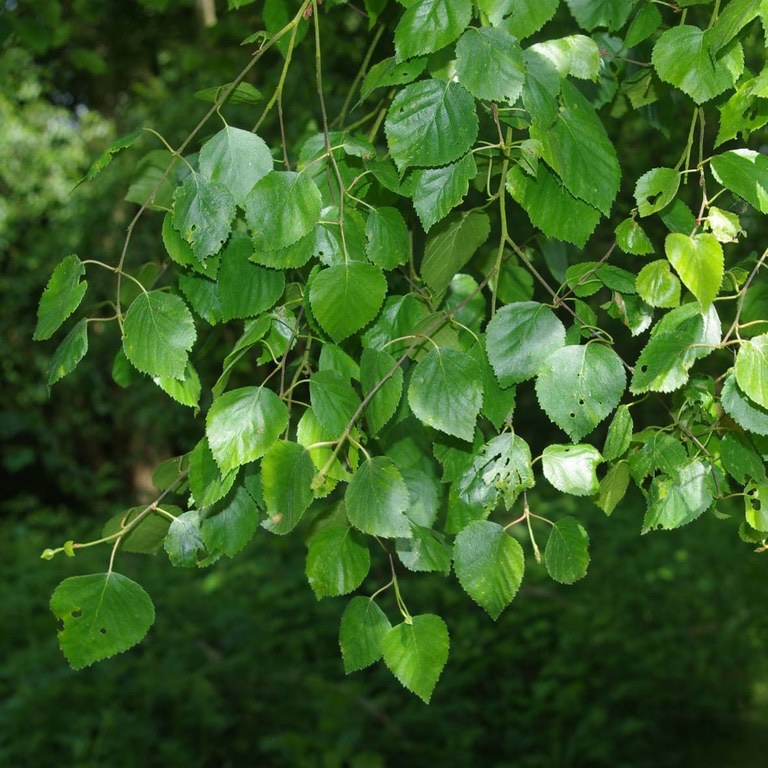
Birch Leaves and Twigs
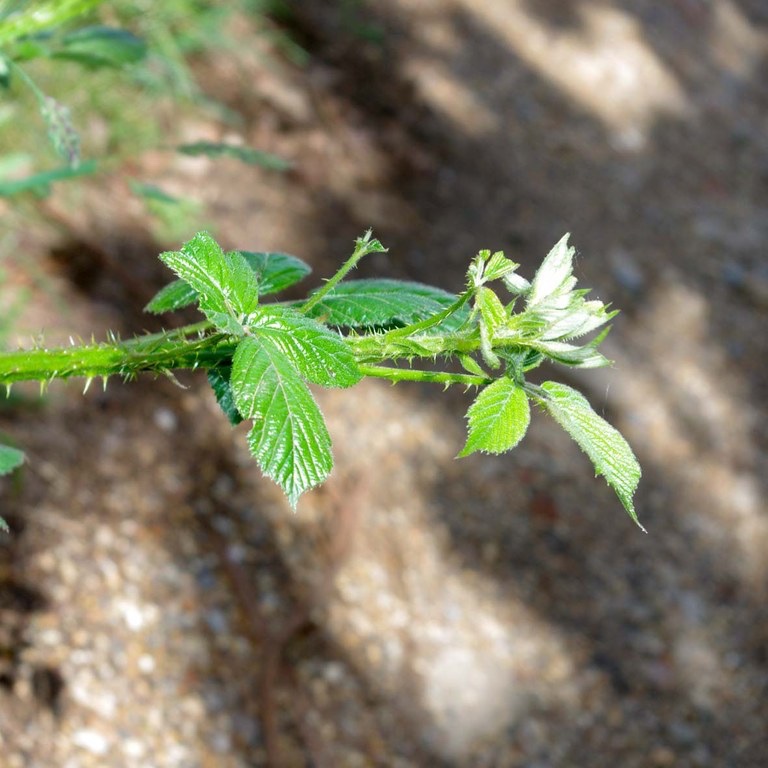
Bramble Tips
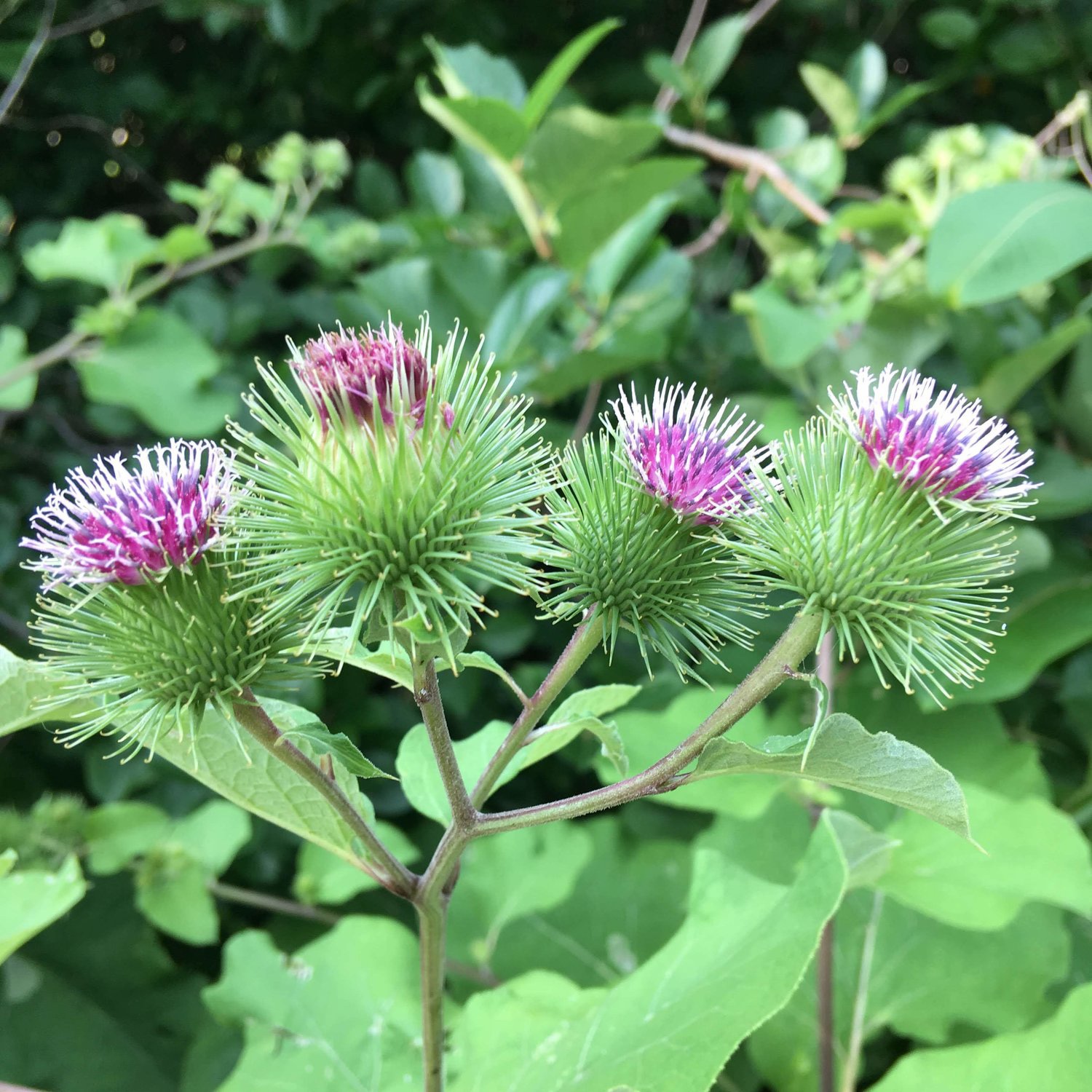
Burdock
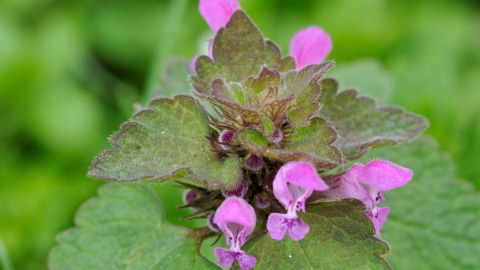
Dead Nettle
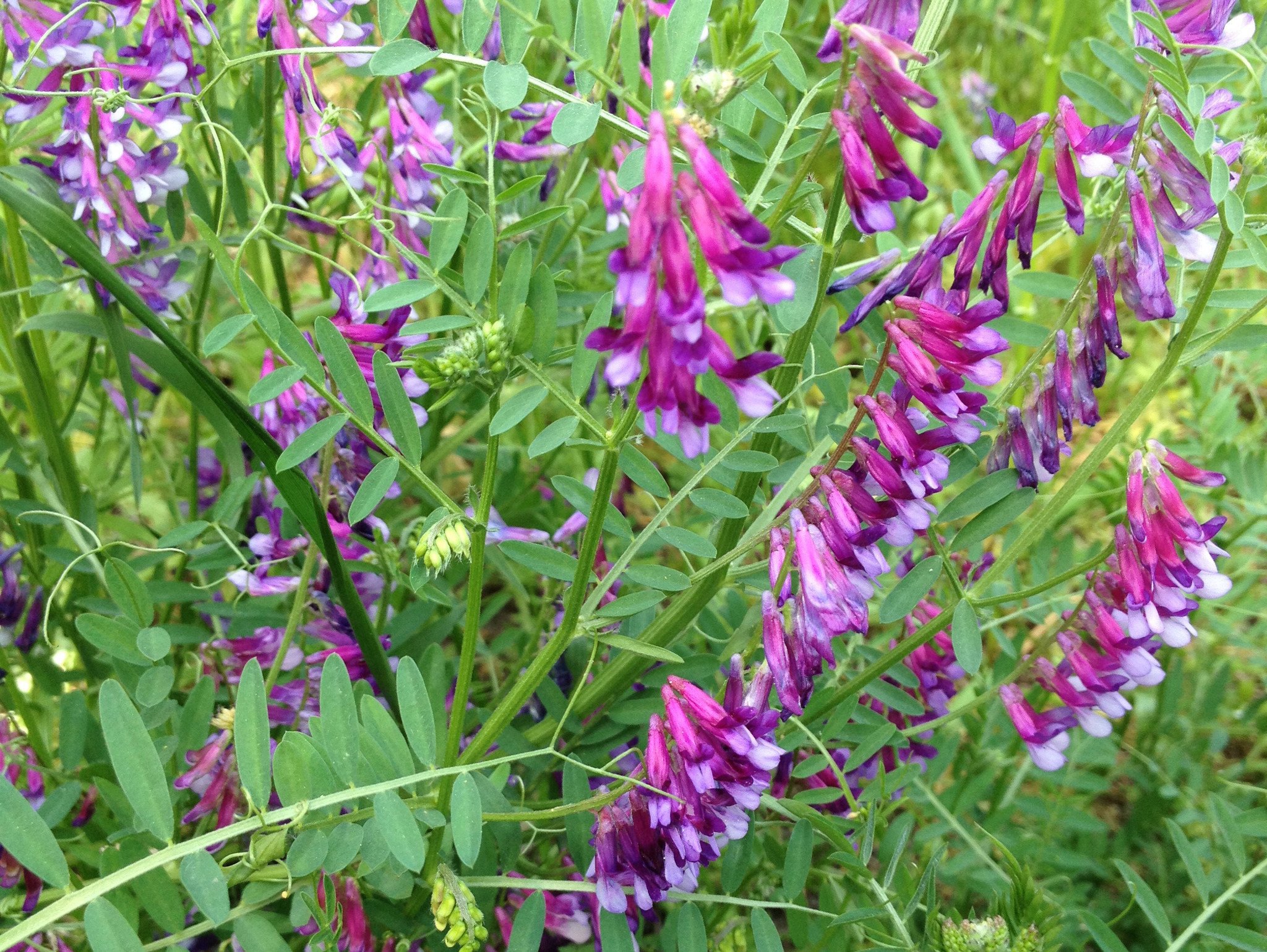
Hairy Vetch
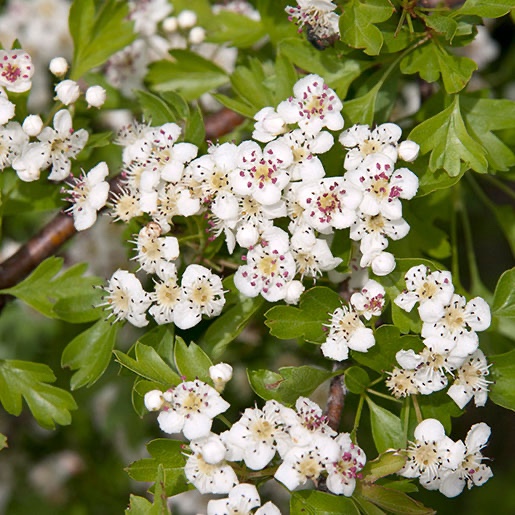
Hawthorn
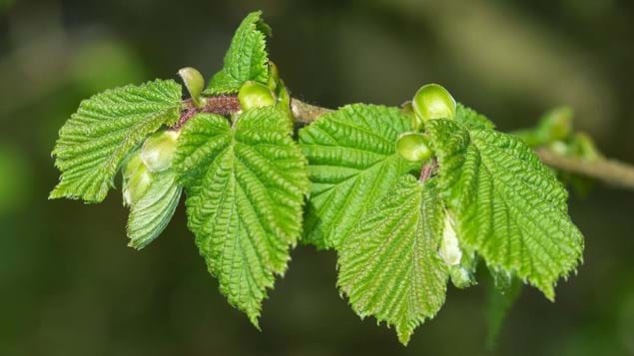
Hazel Leaves and Twigs
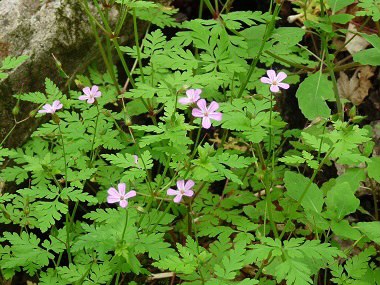
Herb Robert
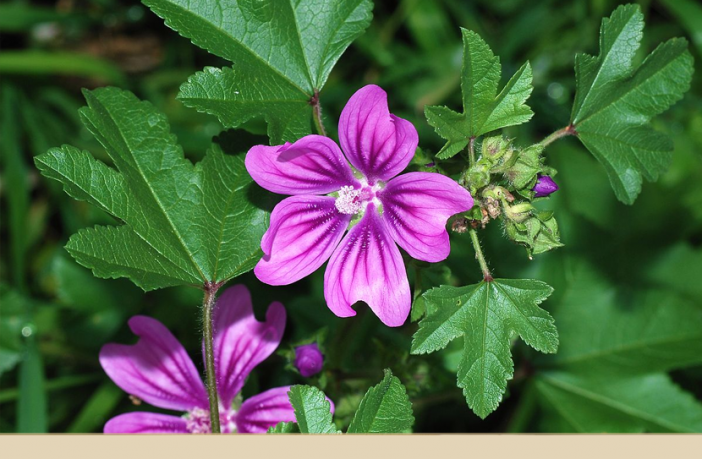
Mallow
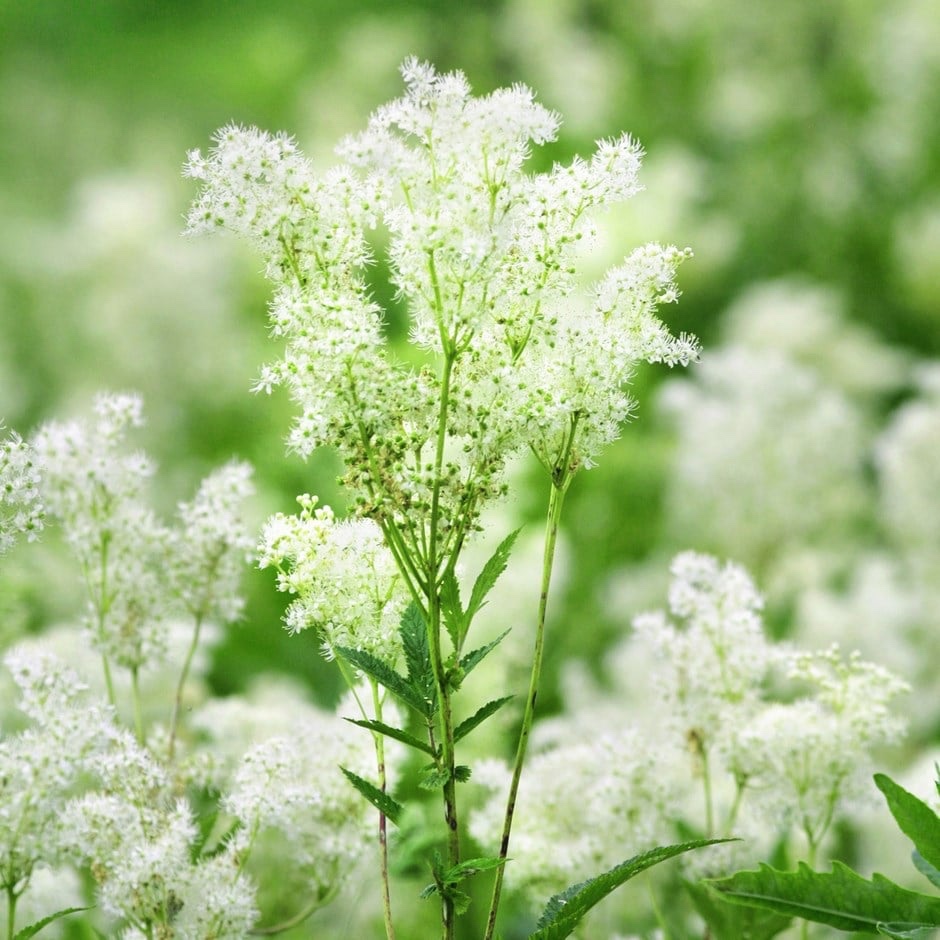
Meadowsweet
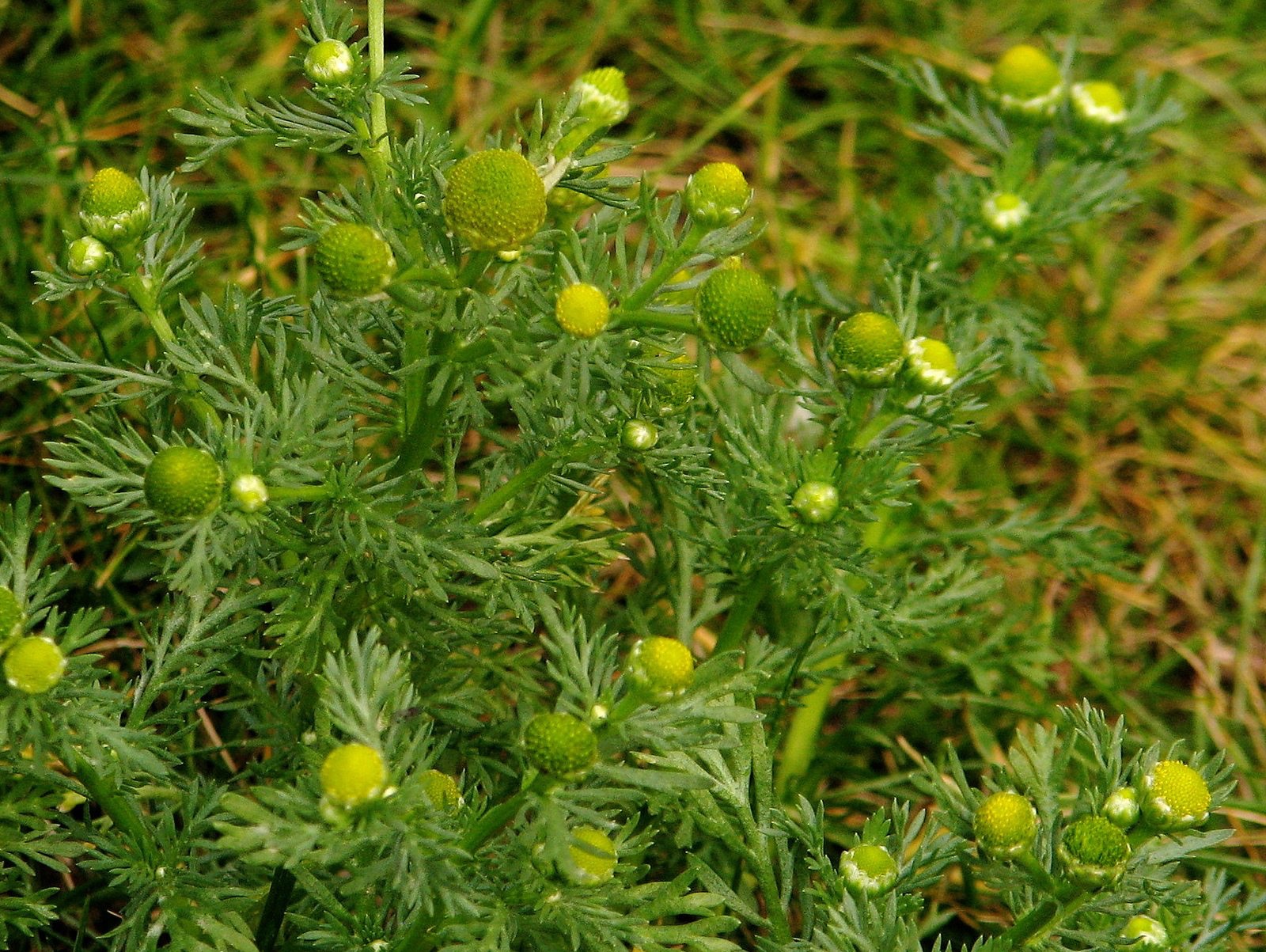
Pineapple Weed
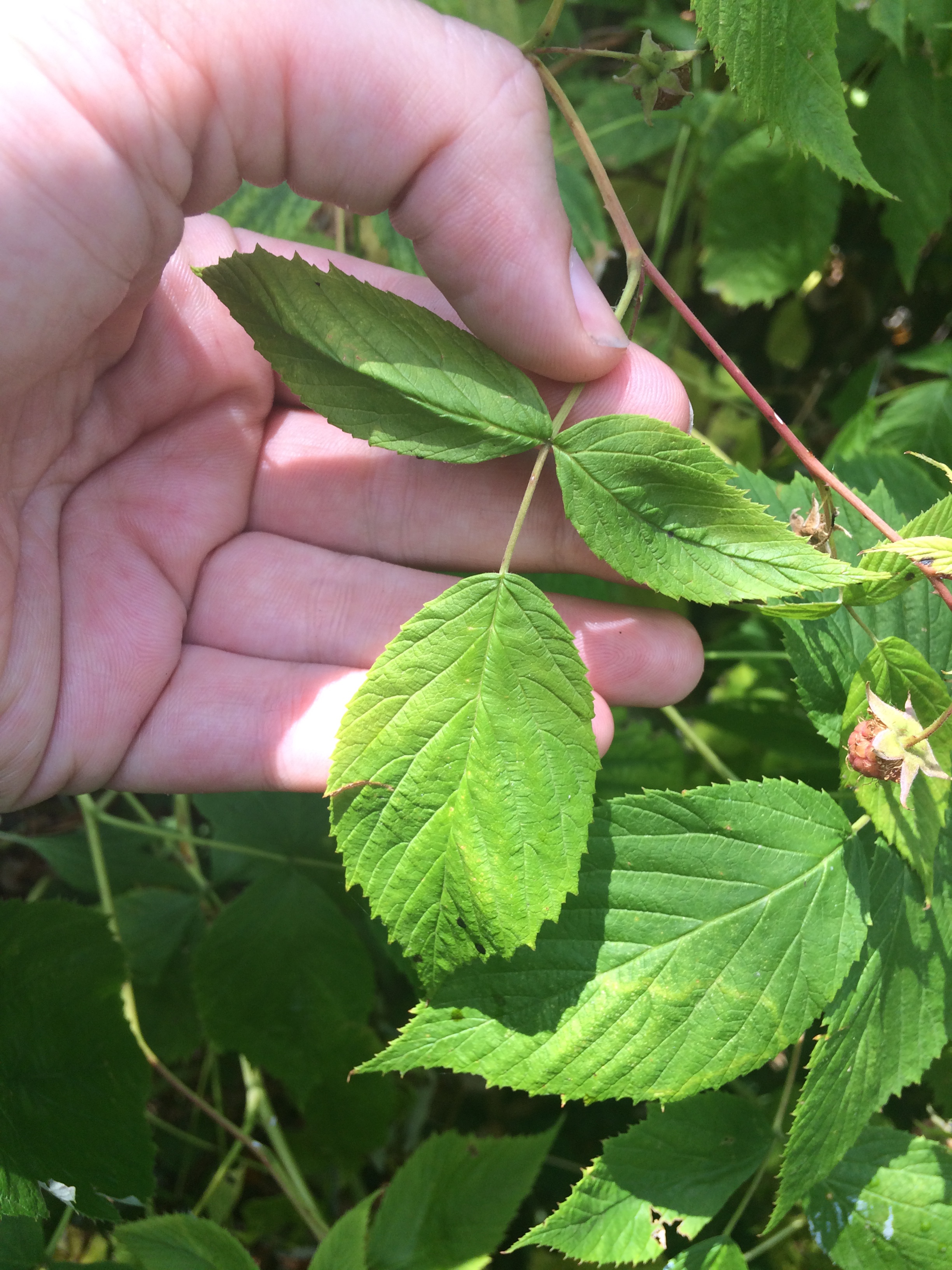
Raspberry Leaves
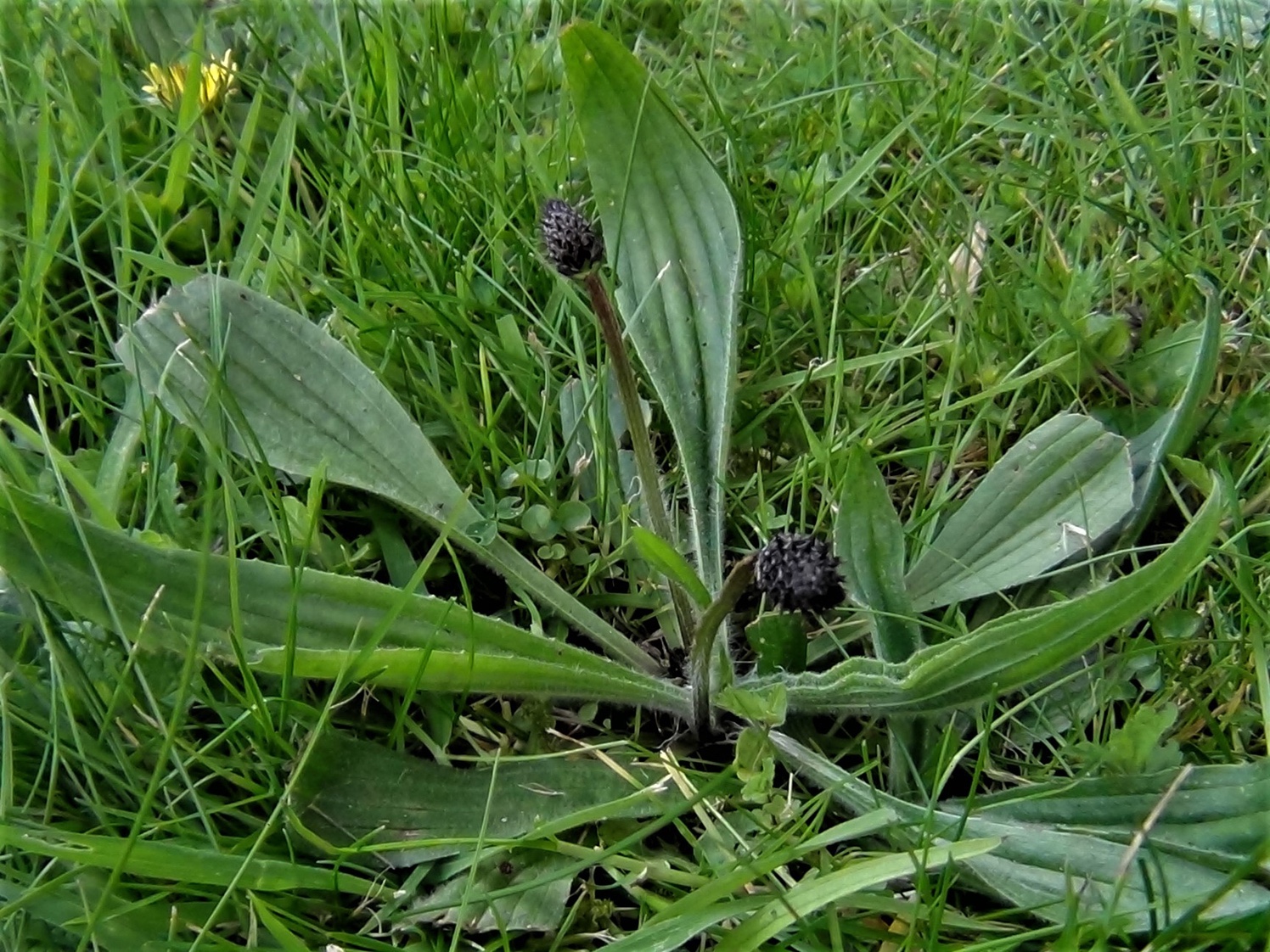
Ribwort Plantain

Sow Thistle
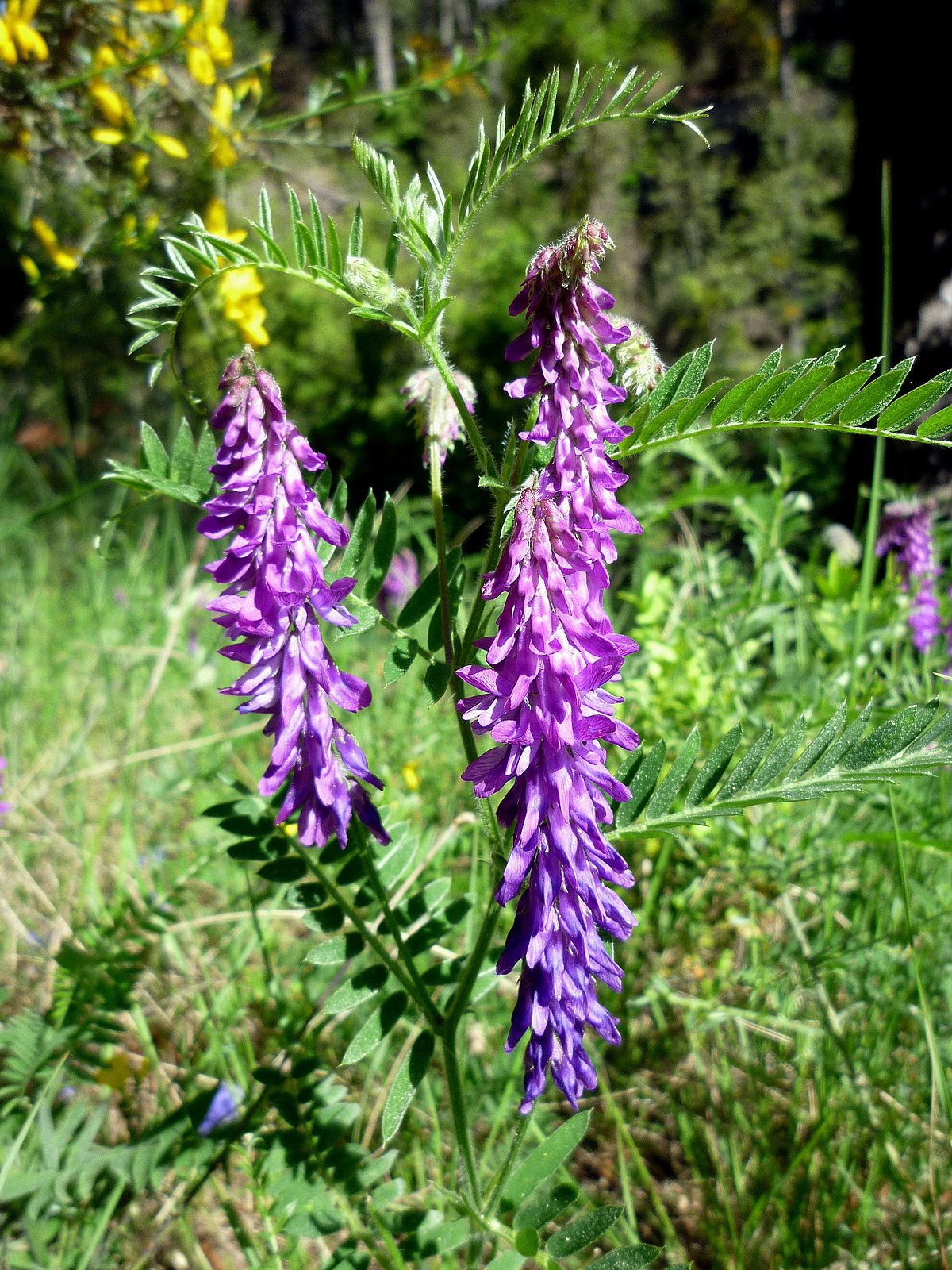
Vetch
We hope you have enjoyed the second part of what Guinea Pigs can eat and we hope that this information had helped you as much as it has helped us!
 Lokiandthor18